Fighting across the Red Sea is pushing refugees and higher prices into the Horn of Africa
At least 3,700 people have fled Yemen for Djibouti in a month, and the cost of insuring ships through the Bab el-Mandeb has nearly doubled, raising fuel and fertiliser prices across the continent.
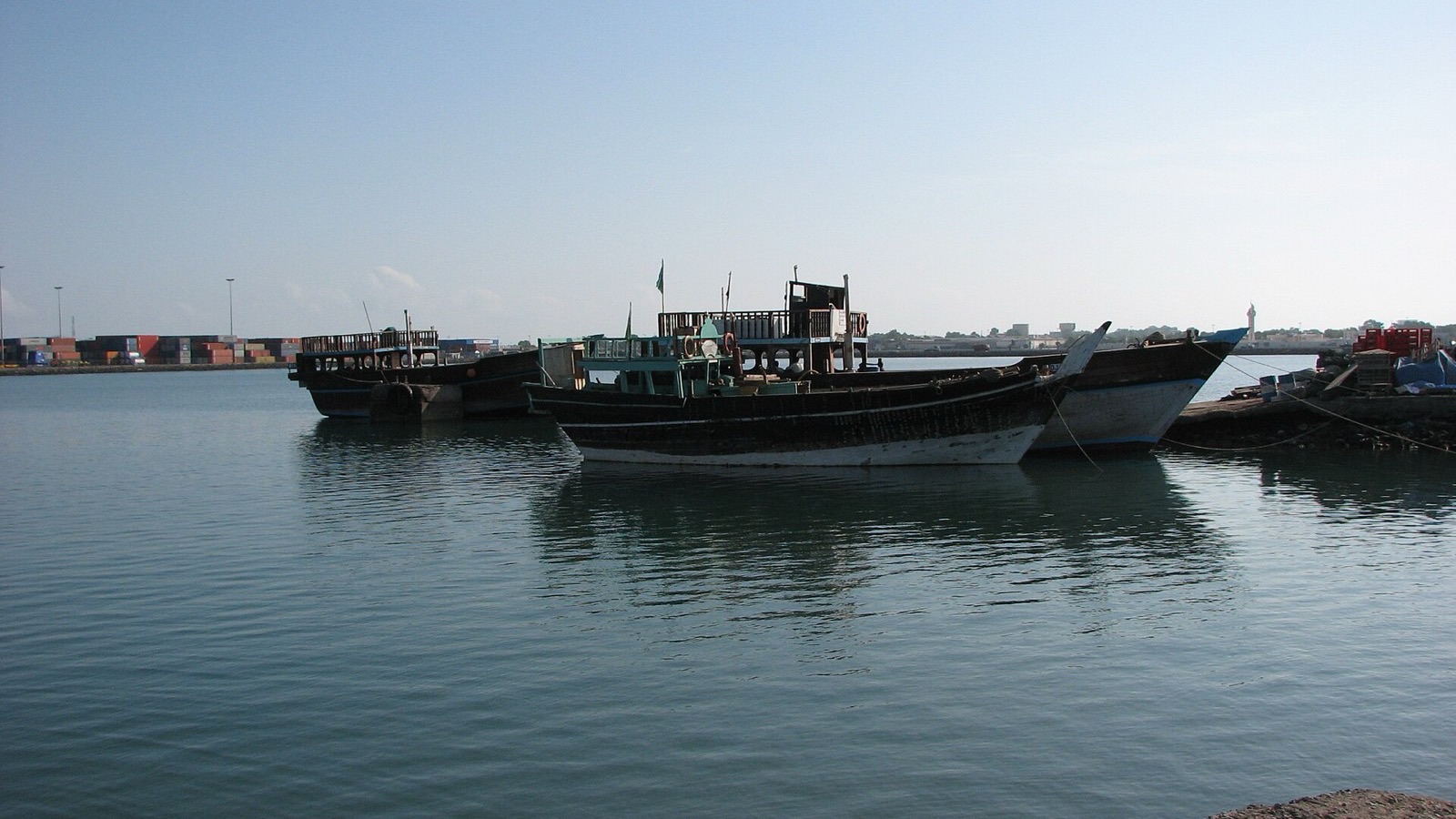
Djibouti — The war in Yemen is spilling across the narrow strait that separates it from Africa, sending refugees into Djibouti and pushing up the cost of trade for the whole region, Deutsche Welle reports.
The strait
In September, Iran-backed Houthi forces captured Perim Island, which sits in the Bab el-Mandeb, the strait linking the Red Sea to the Gulf of Aden. The island is about 20 kilometres from Djibouti. Yemen's armed forces and their Saudi allies began a counter-offensive in early October.
Since 10 September at least 3,700 people have crossed from Yemen to Djibouti, a country of just over one million. The UN refugee agency is preparing to help another 10,000. Many arrive in the northern Obock region.
The cost to trade
The price of insuring ships through the strait has nearly doubled. That has reduced traffic through the Red Sea and contributed to shortages and higher prices for fuel and fertiliser across Africa.
Landlocked Ethiopia is especially exposed. About 95% of its imports and exports pass through Djibouti's ports. Ethiopia is also in open conflict in Tigray and has broken off relations with Eritrea, whose port of Assab its prime minister, Abiy Ahmed, has spoken of gaining access to.
Who gains
Ports in Kenya and Tanzania are becoming more attractive for cargo that would otherwise pass the strait.
In mid-September the three African members of the UN Security Council, DR Congo, Liberia and Somalia, called an emergency meeting to demand open shipping lanes and a settlement in Yemen under UN auspices.
This report is based on reporting by Deutsche Welle, via AllAfrica.