Tigray faces failed rains and war at once, with 3.2 million people cut off from food aid
Crops have been scorched across 252,500 hectares and aid warehouses looted since fighting resumed, according to an account from a Tigray health network published by The New Humanitarian.
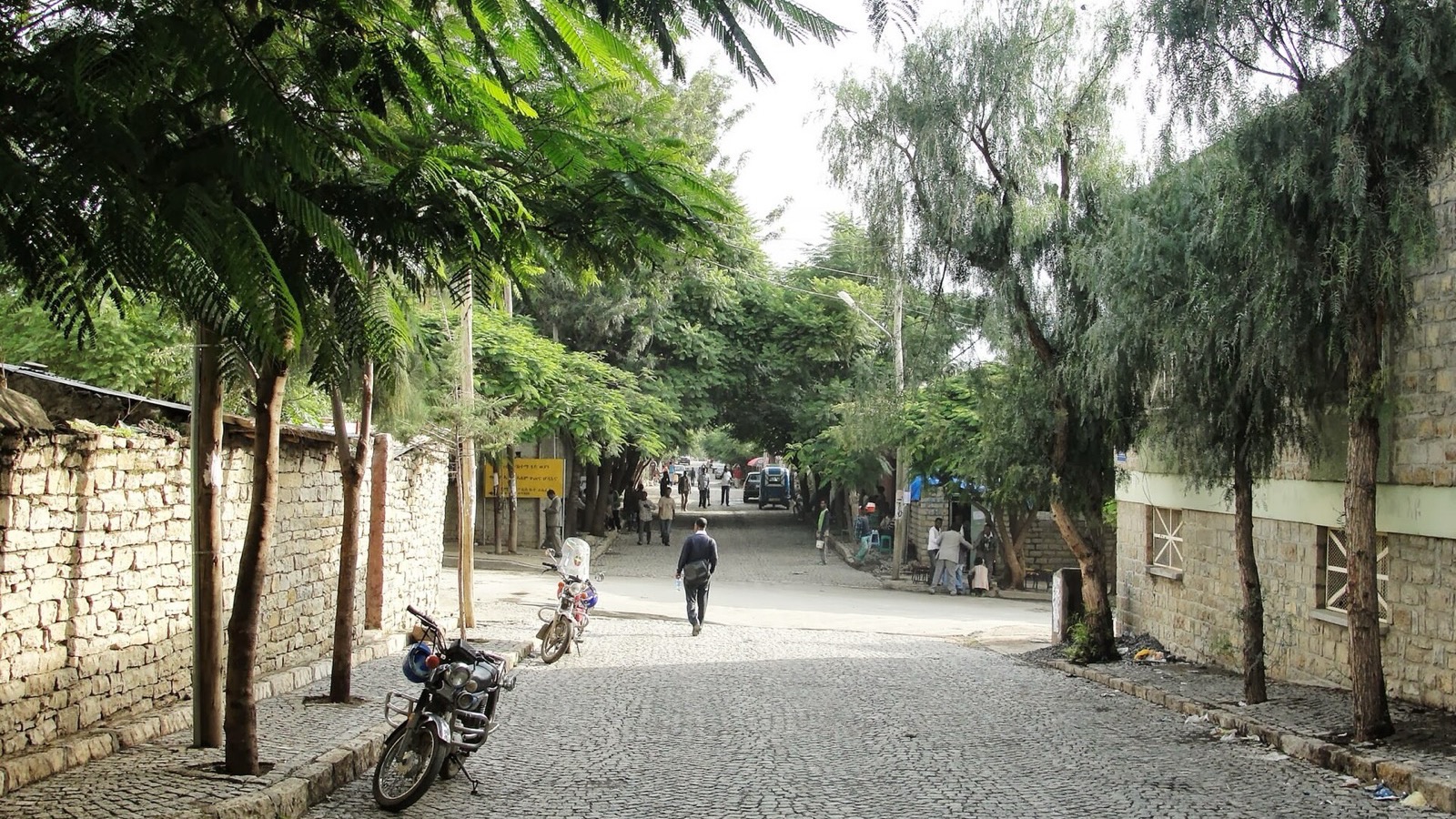
Mekelle — Ethiopia's Tigray region is facing a hunger emergency made of two crises arriving together: the return of war and the failure of the rains, according to an account published by The New Humanitarian.
The article is written by Duke Burbridge, a board member of a network of health professionals for Tigray. It draws on figures from the region's Disaster Risk Management Commission.
The numbers
- 3.9 million people need emergency food assistance, more than half the population
- 3.2 million of them are receiving none
- 252,500 hectares of planted crops have been scorched
- 44% of the region's best farmland cannot be reached
- 3.5 million livestock face starvation
- 900,000 displaced people are living in 31 camps
The seasonal rains arrived more than five weeks late. The damage comes on top of the drought of 2020 to 2023 and deep cuts in international food aid.
Fighting and looting
Fighting resumed on 23 September. As federal forces advanced towards the regional capital, Mekelle, on 4 October, a power vacuum opened and there was widespread looting, the article says.
One local aid organisation, OSSHD-Ethiopia, lost about 60 computers and tablets, vehicles, medical equipment and non-food supplies worth around $1 million. A food convoy run by Catholic Caritas in Adigrat was hit by a drone strike, which the author says the federal government has not acknowledged.
About 7,000 children receiving HIV-related care have lost access to services.
A corridor that still works
A 460-kilometre humanitarian route between Mekelle and Semera, in the neighbouring Afar region, was confirmed open on 4 October.
This report is based on an article in The New Humanitarian, via AllAfrica. Its author works with a Tigrayan health network, and the figures could not be independently verified.