Climate
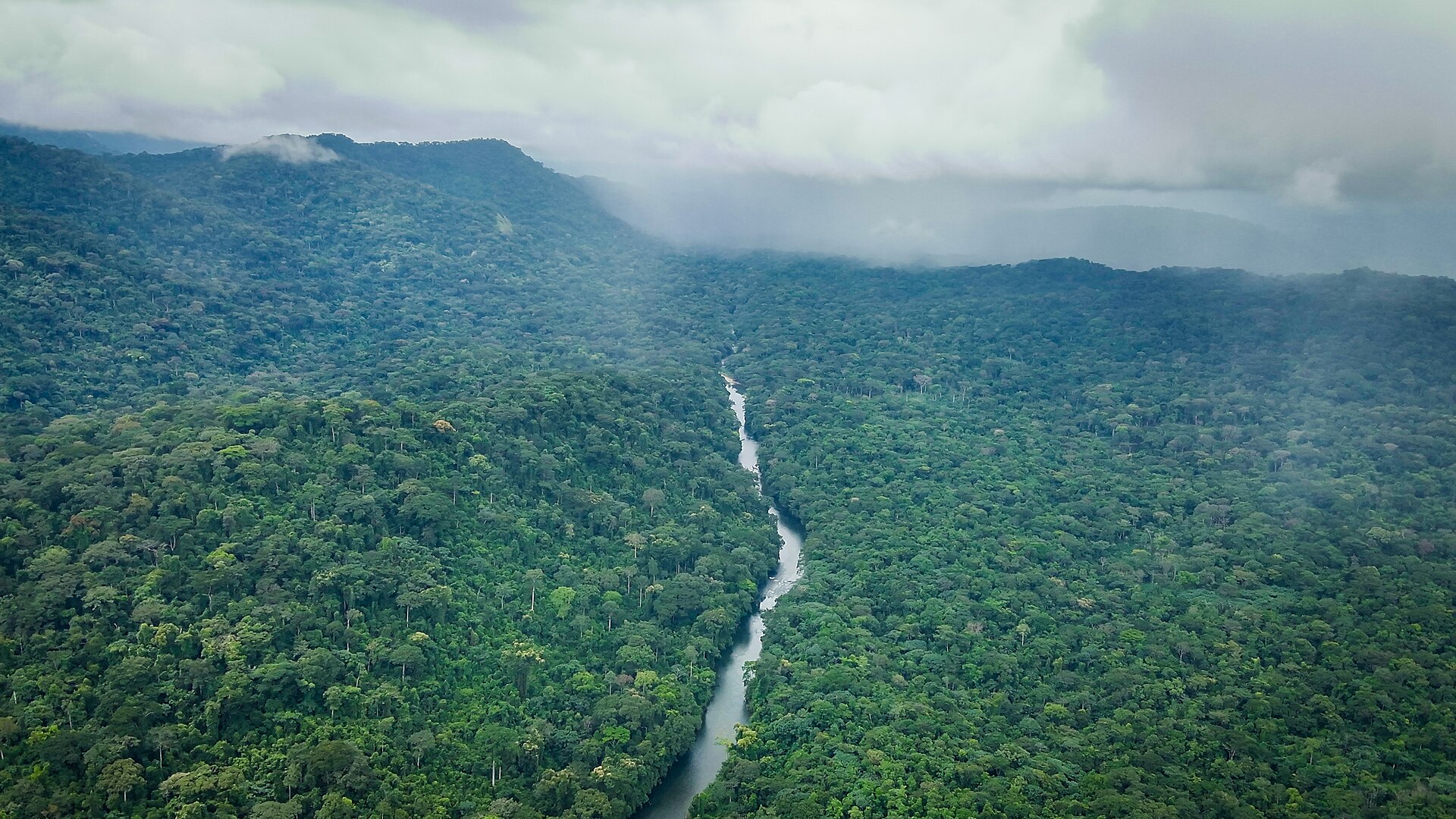
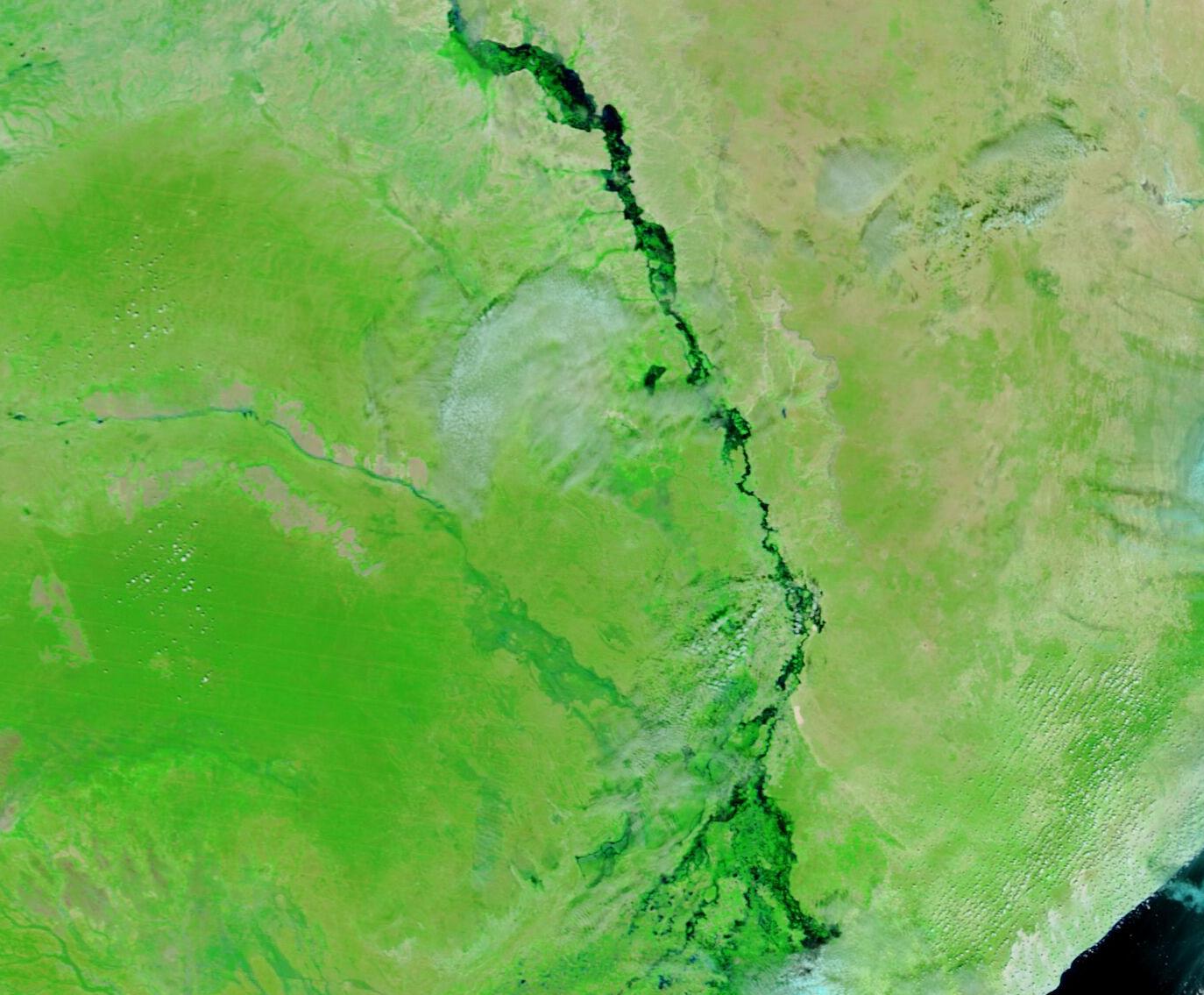
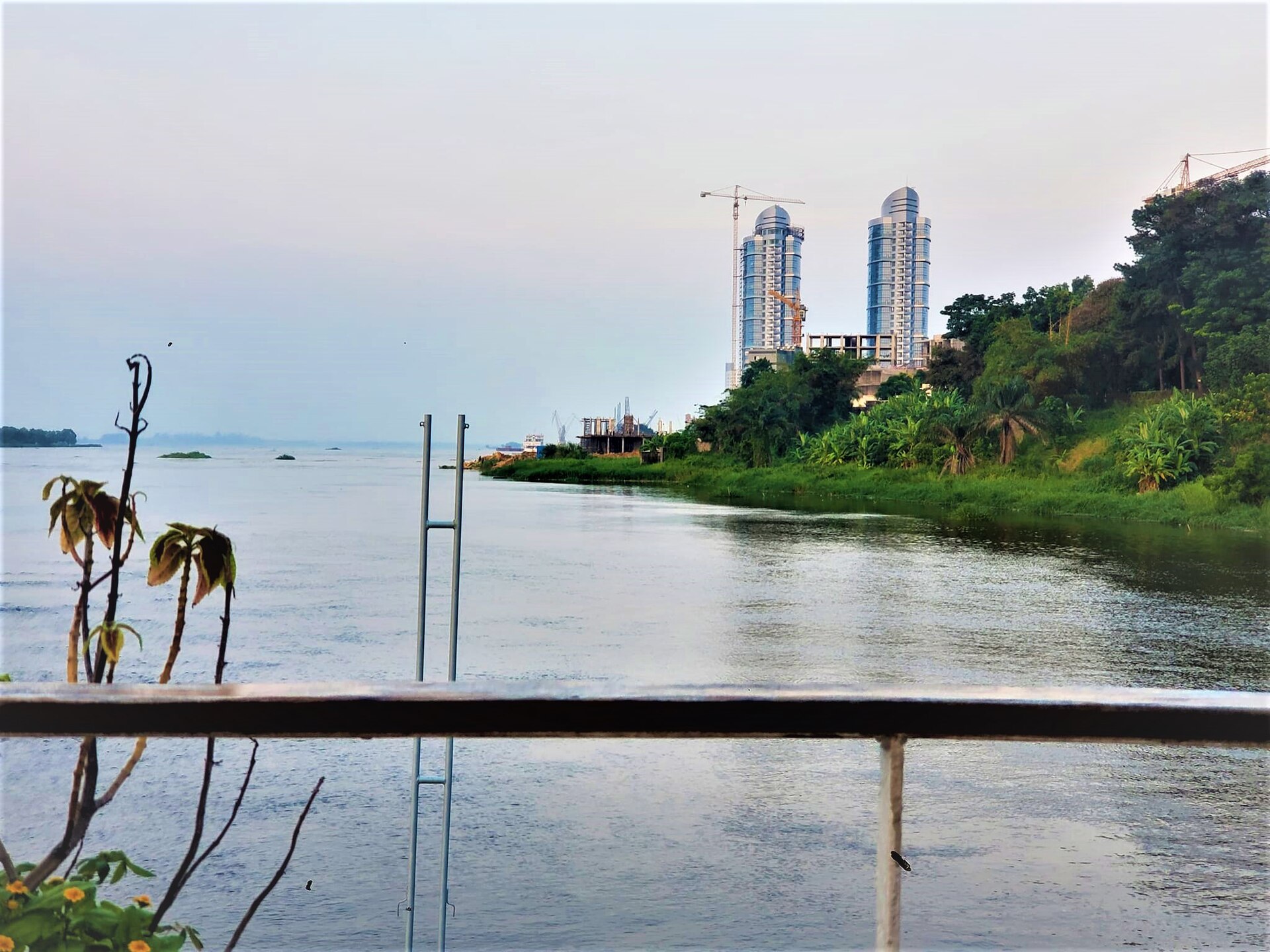
The Congo River: the world's deepest river, and the only great river to cross the equator twice
Measured at around 220 metres deep, it drains a basin nearly the size of the European Union and holds about 800 kinds of fish.
Section
Energy, land, water and the frontline communities shaping Africa's response to a changing planet.
Measured at around 220 metres deep, it drains a basin nearly the size of the European Union and holds about 800 kinds of fish.
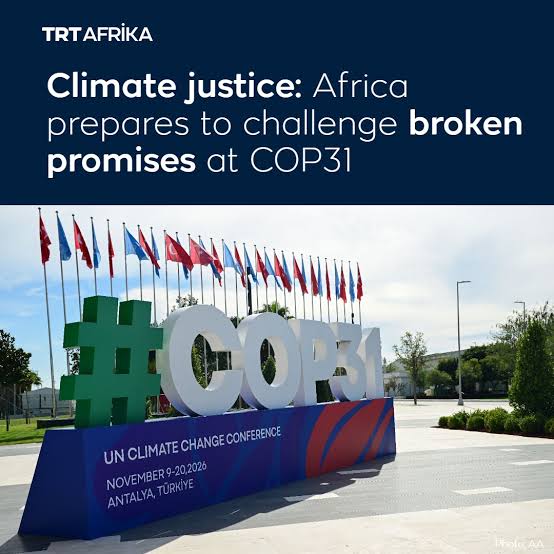
African climate negotiators are pressing developed nations to honour their climate commitments and provide meaningful support to help the continent address the effects of global warming.
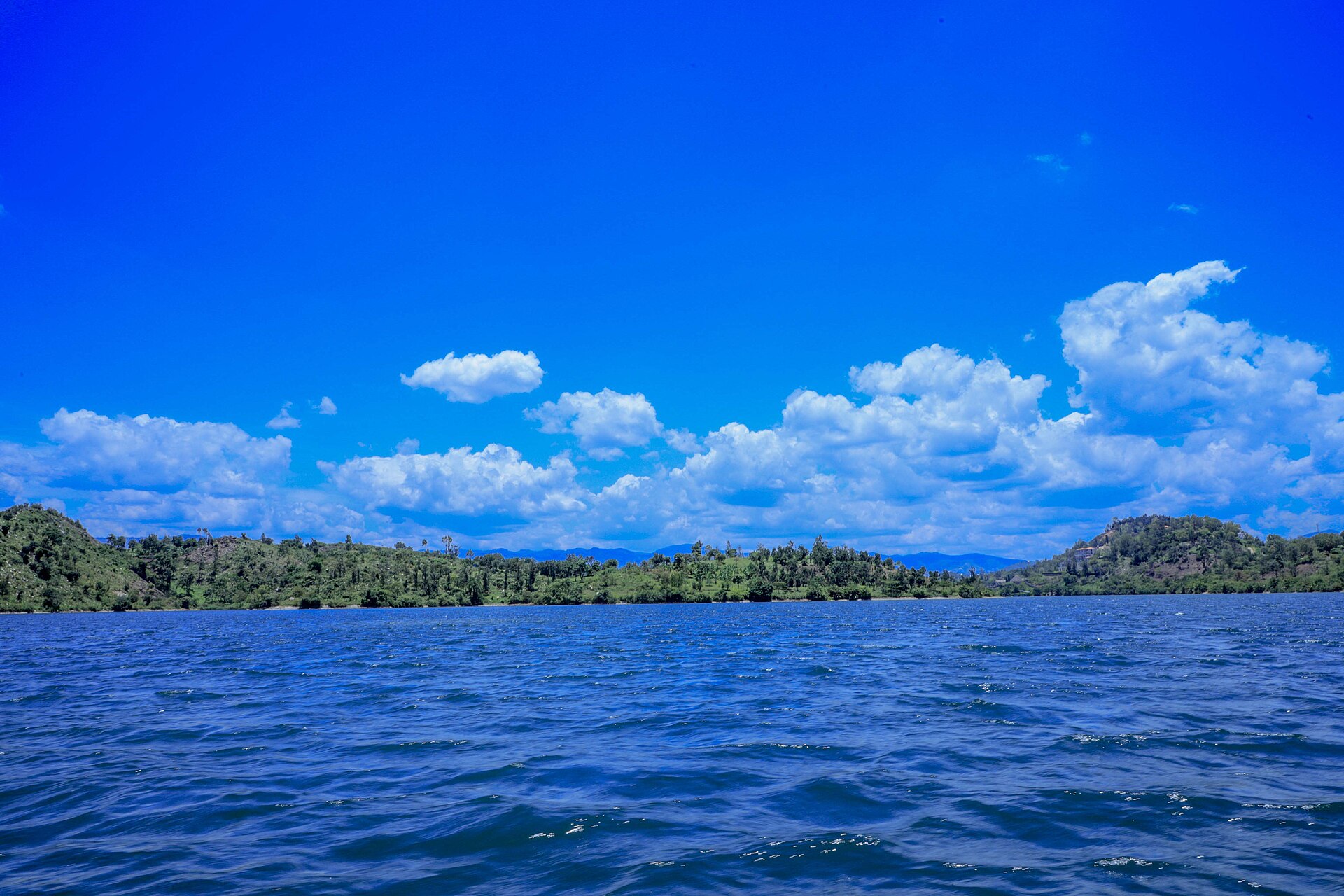
Shared by DR Congo and Rwanda, the lake holds an estimated 65 cubic kilometres of methane in its depths. Pumping it out makes electricity and lowers the risk.
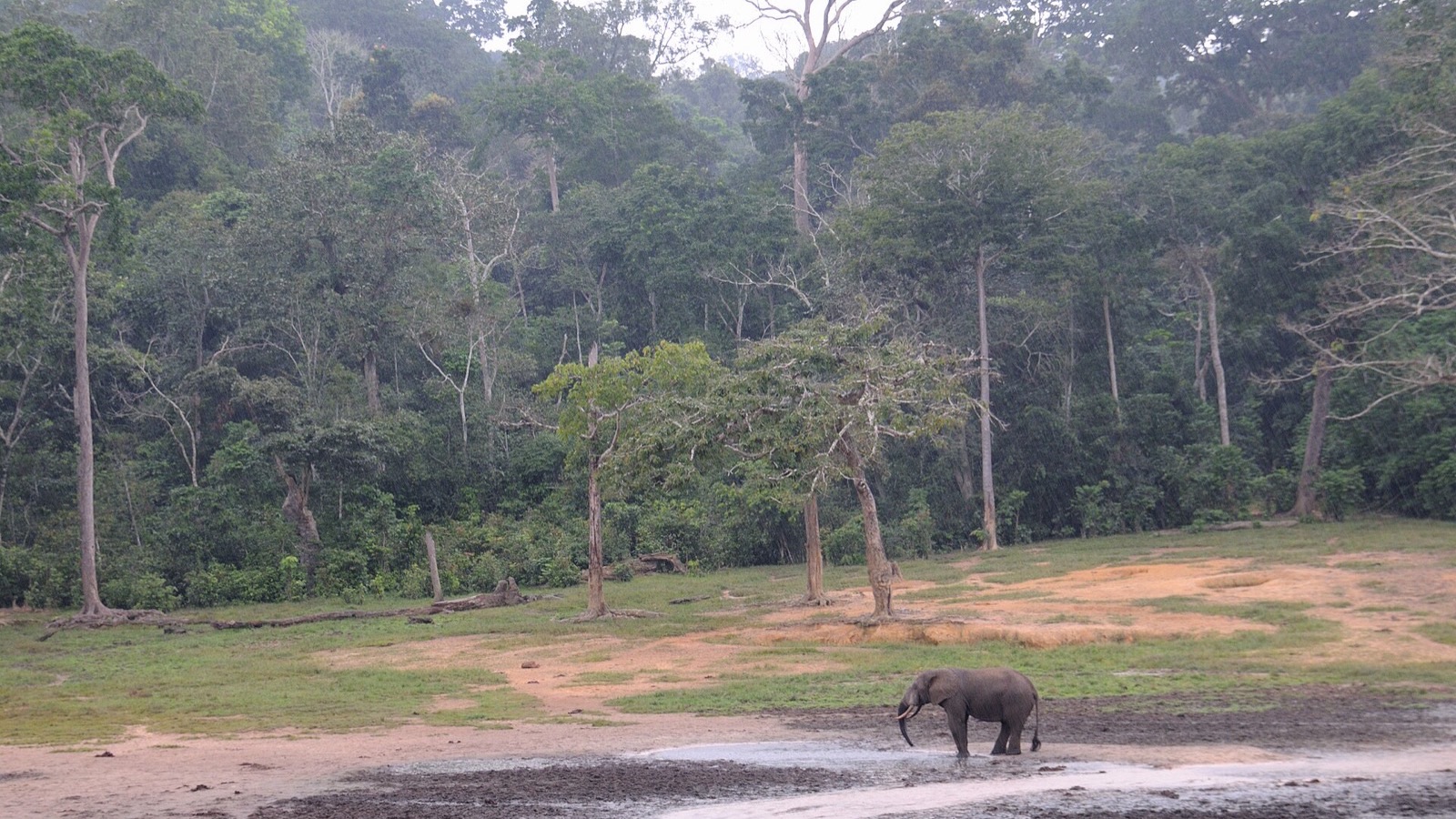
At 36,000 square kilometres in the heart of the Congo Basin, the DR Congo park is bigger than Belgium and reachable mostly by river.
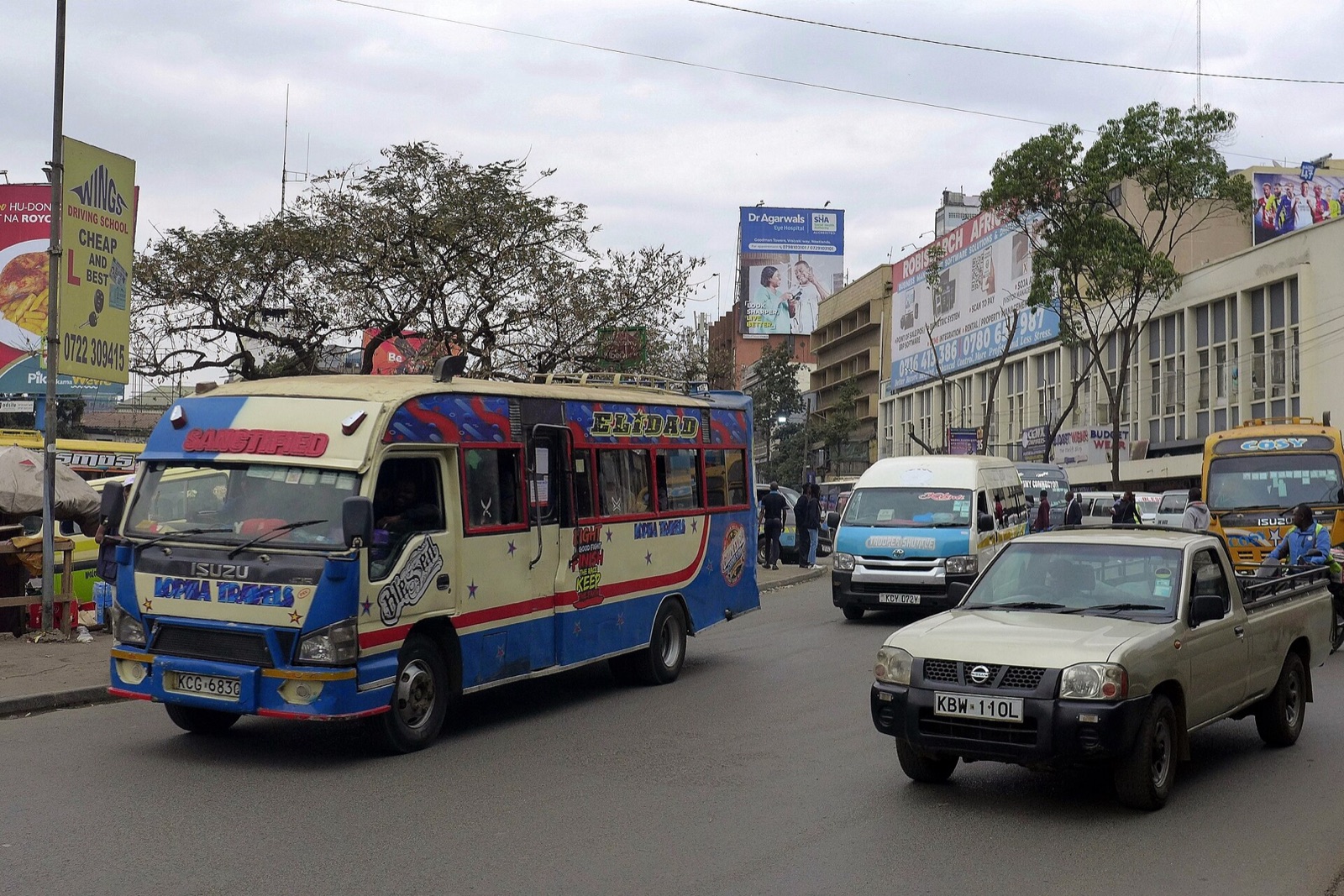
Construction grew 6.8% in 2025 and private building completions reached 25,090. A court has halted one car park at Nairobi National Park, but other projects continue.
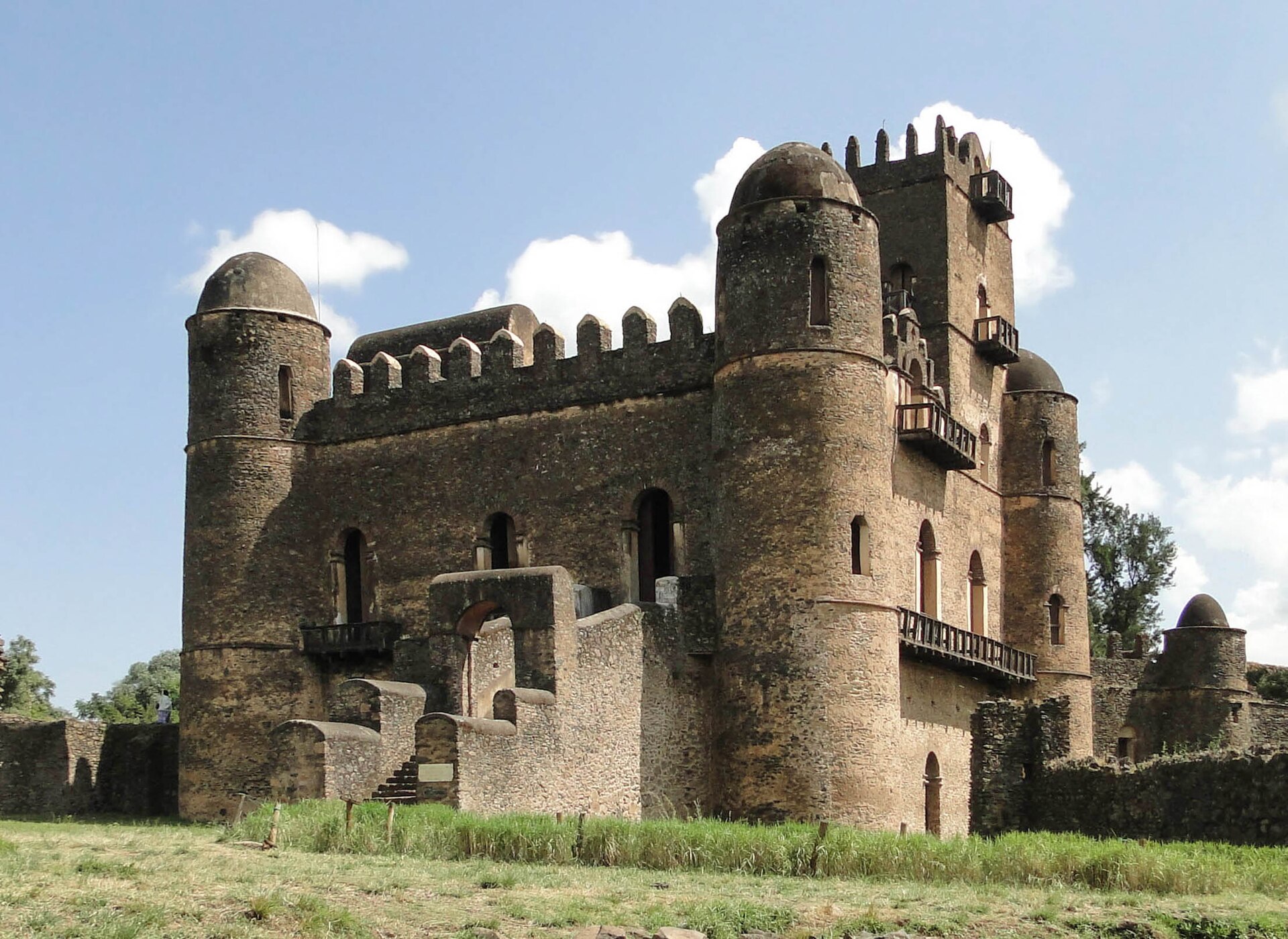
A UNESCO biosphere reserve since 2015, the highland lake holds medieval monasteries, the tombs of emperors and about 230 species of birds.
The Africa Youth Climate Fund, hosted by Ghana's Green Africa Youth Organization, is open for 2026/27. Unregistered grassroots groups can apply through a sponsor, and applying is free.
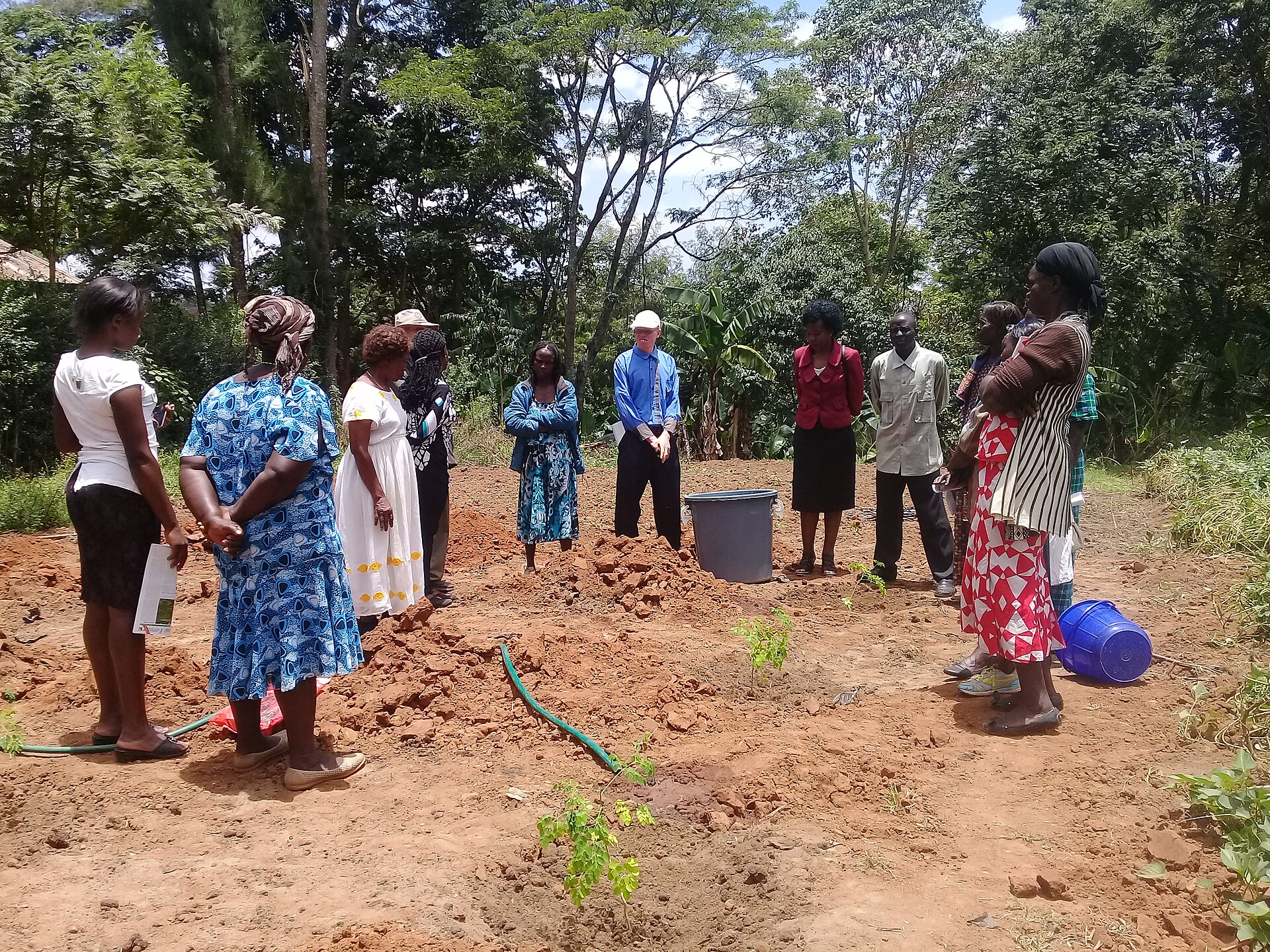
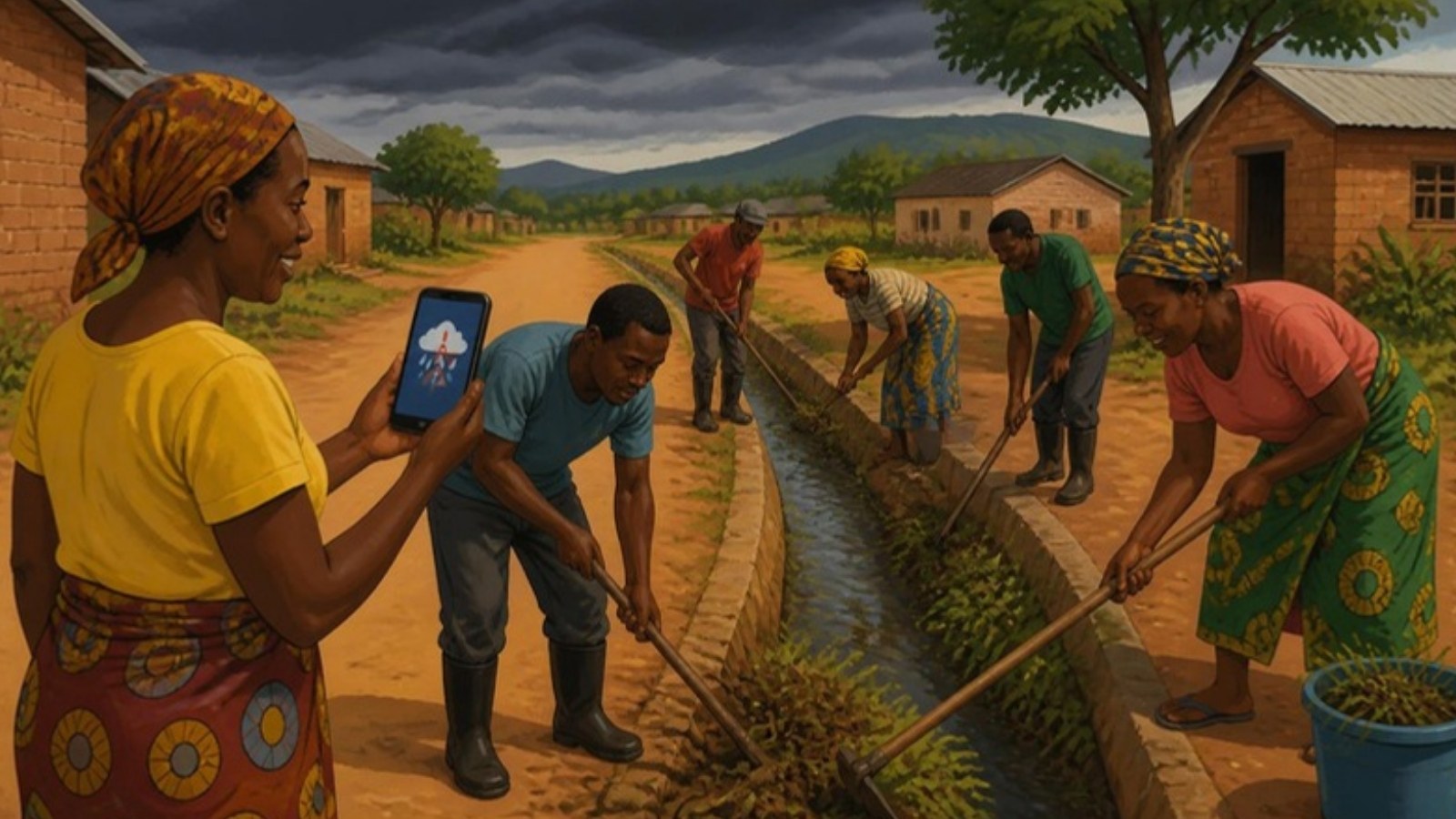
In Kiambu and Nyeri, farmers who lost fertile soil in the 2024 floods are building runoff channels ahead of a season forecast to be wetter than usual.
Homes and industry will get 7% less and farmers 15% less, saving 56.8 million cubic metres a year. Dams are at 72.5%, down from 84.4% a year ago.
Created in 1925 to protect gorillas from poachers, the park spans five Virunga volcanoes. Rwanda plans to nearly double its size with a farming buffer zone for neighbouring communities.
A review of ten years of policies in Burkina Faso, Ghana, Nigeria, Senegal and Sierra Leone finds roads and crops well covered, culture and mental health less so.
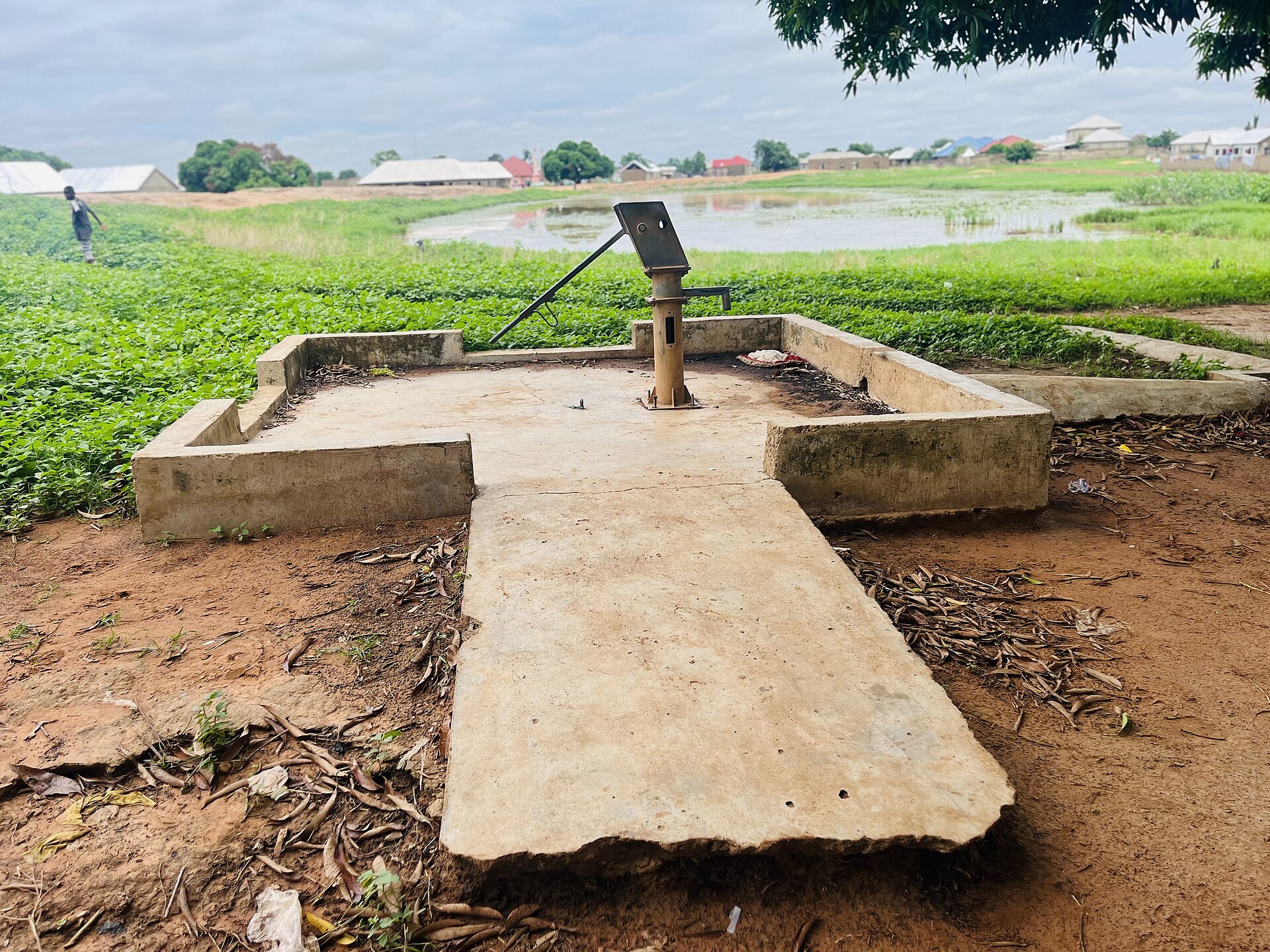
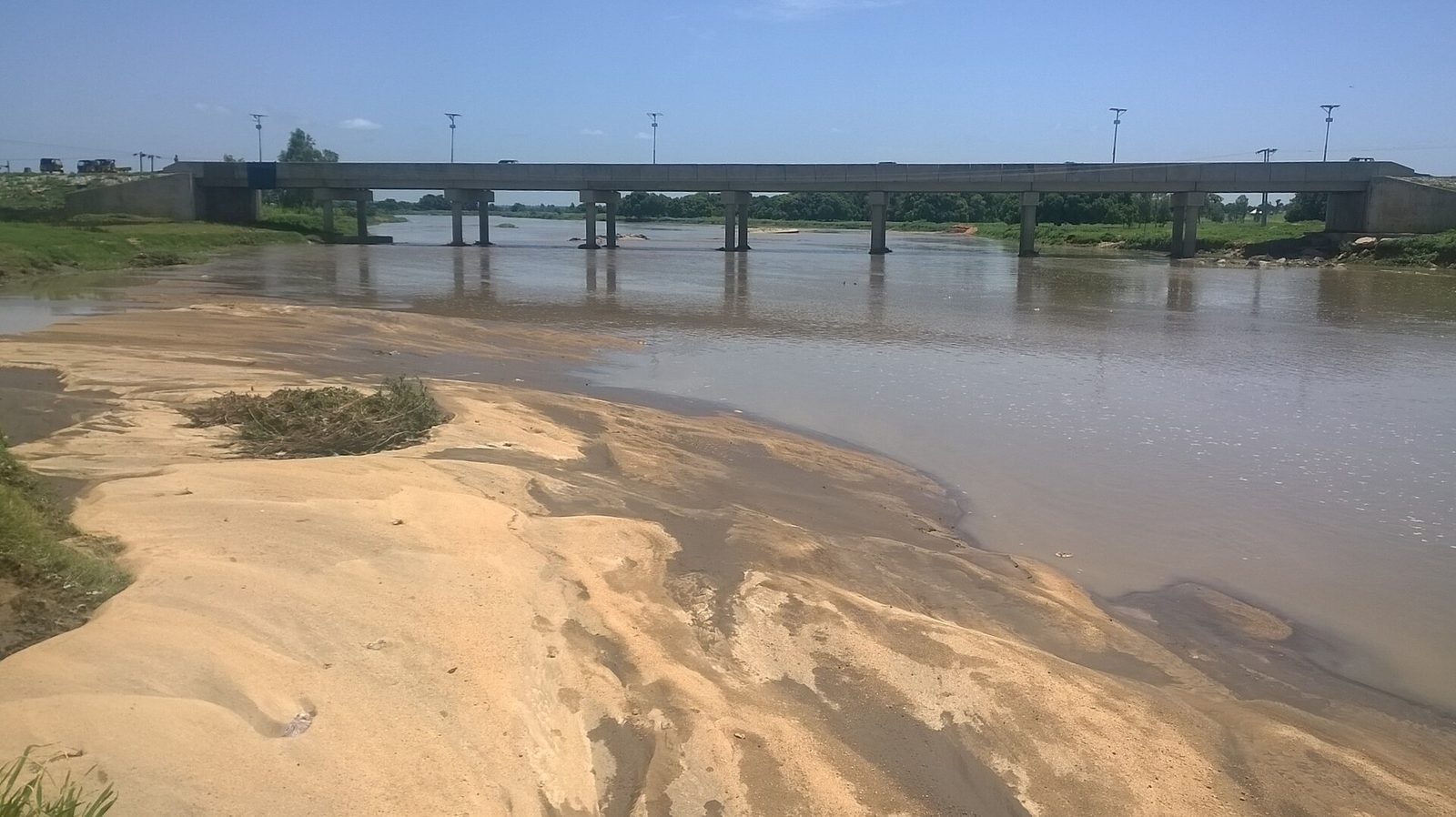
Sand dams trap water in seasonal riverbeds, raising the water table so families can dig shallow wells and farmers can irrigate through the dry season.
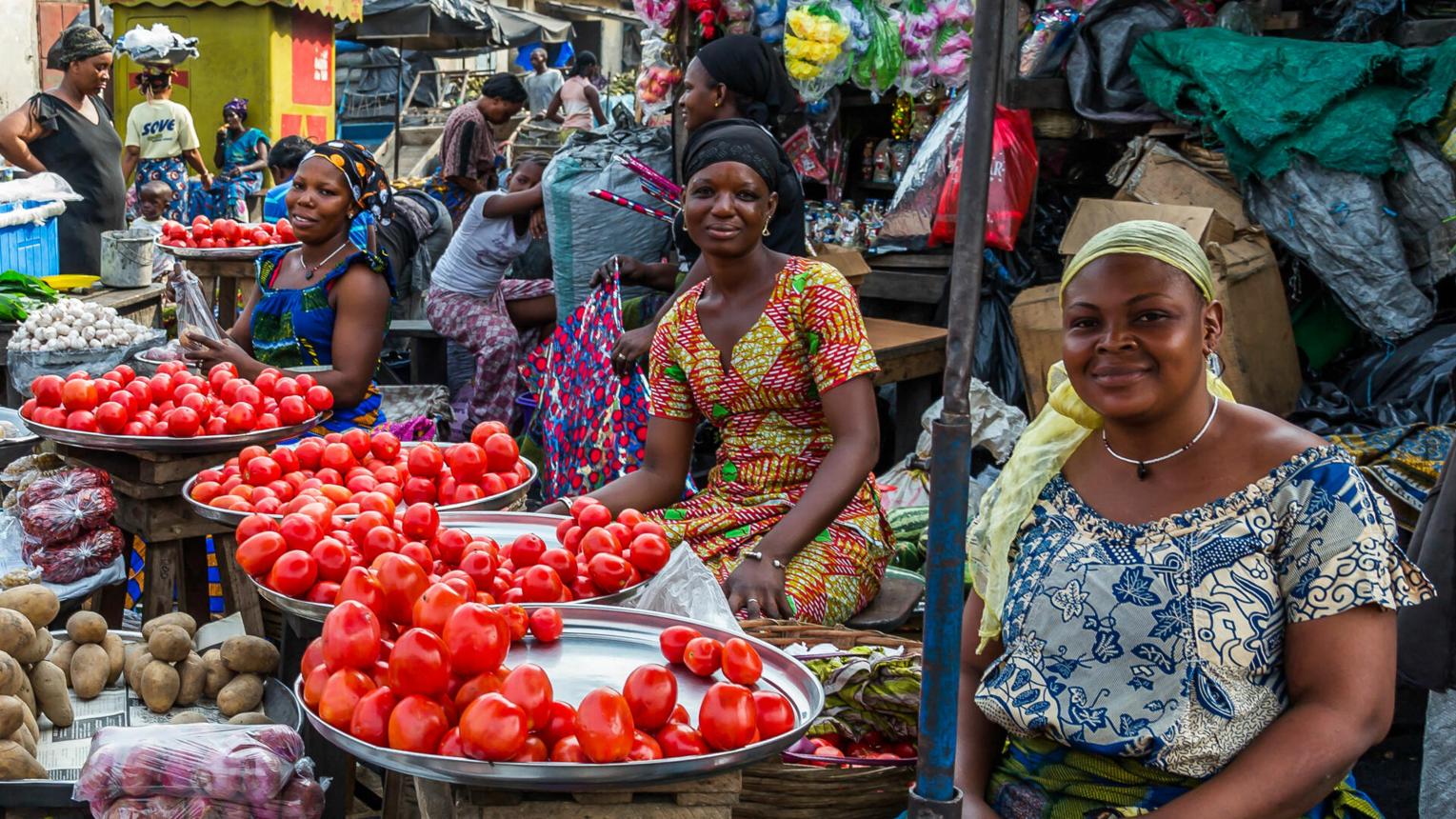
*In southern Togo, a community cooperative is helping farmers tackle post-harvest losses, create economic opportunities for women, and build a more resilient local food system.*
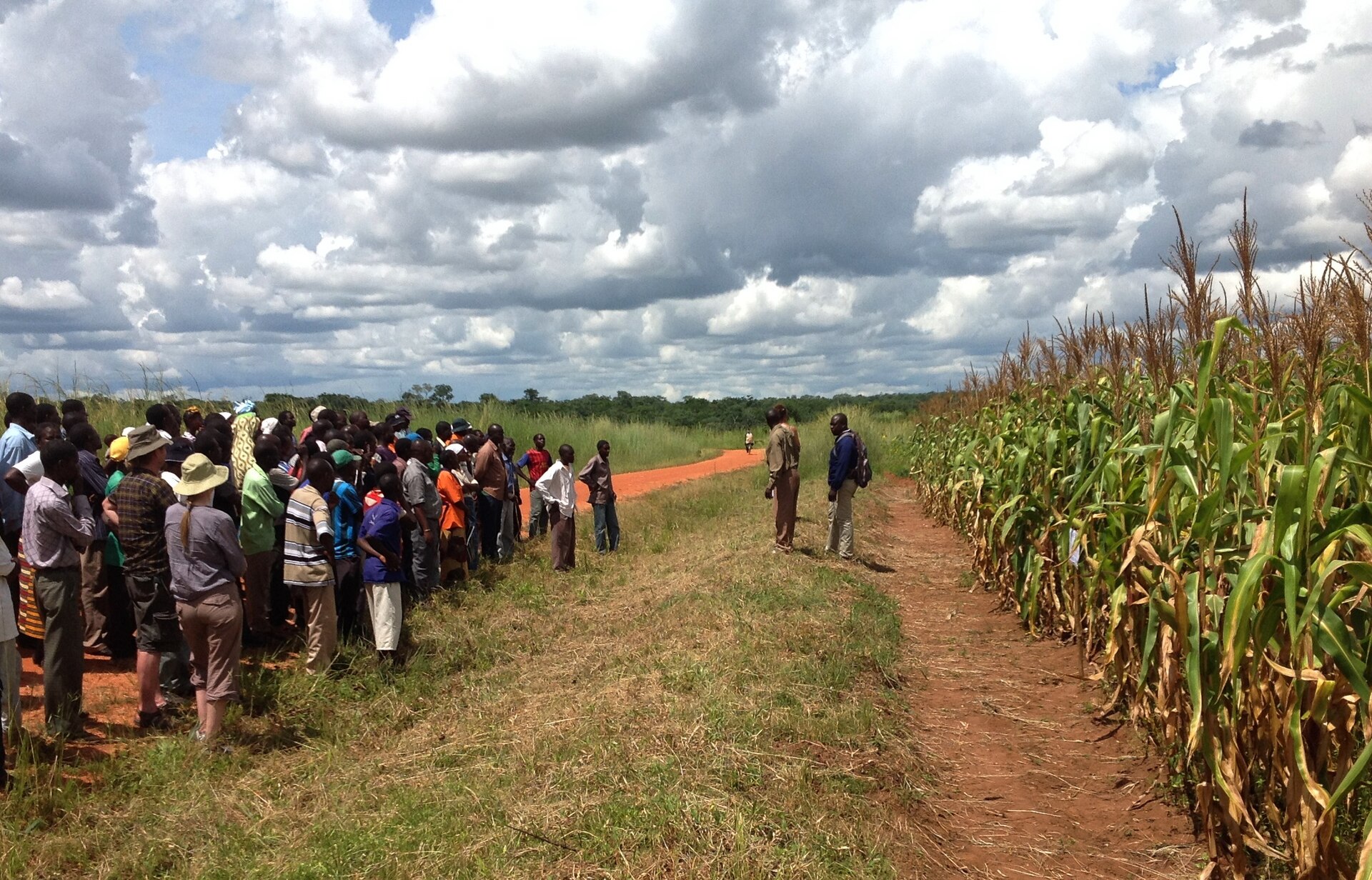
A University of Zambia study of more than 545 households found conservation agriculture gave better diets and an earlier harvest, whichever donor was involved.
About US$740 million has reached projects in more than 20 countries. Leaders said nearly one billion Africans still cook without clean fuel, and set their sights on a Nairobi summit in January.
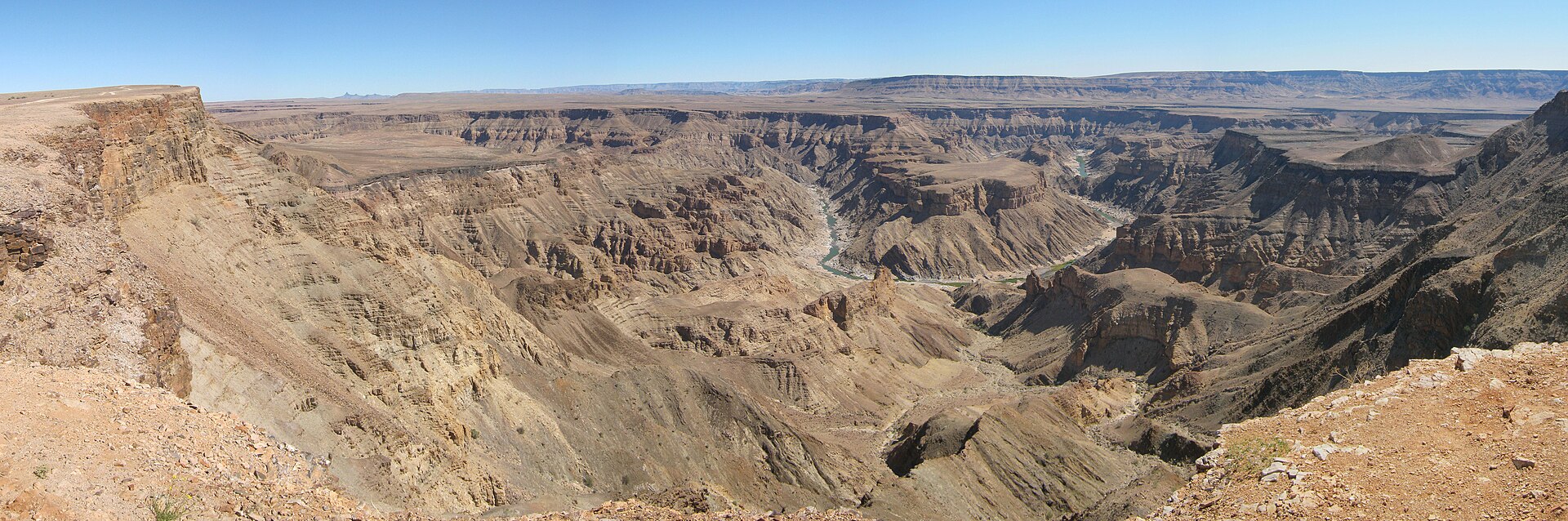
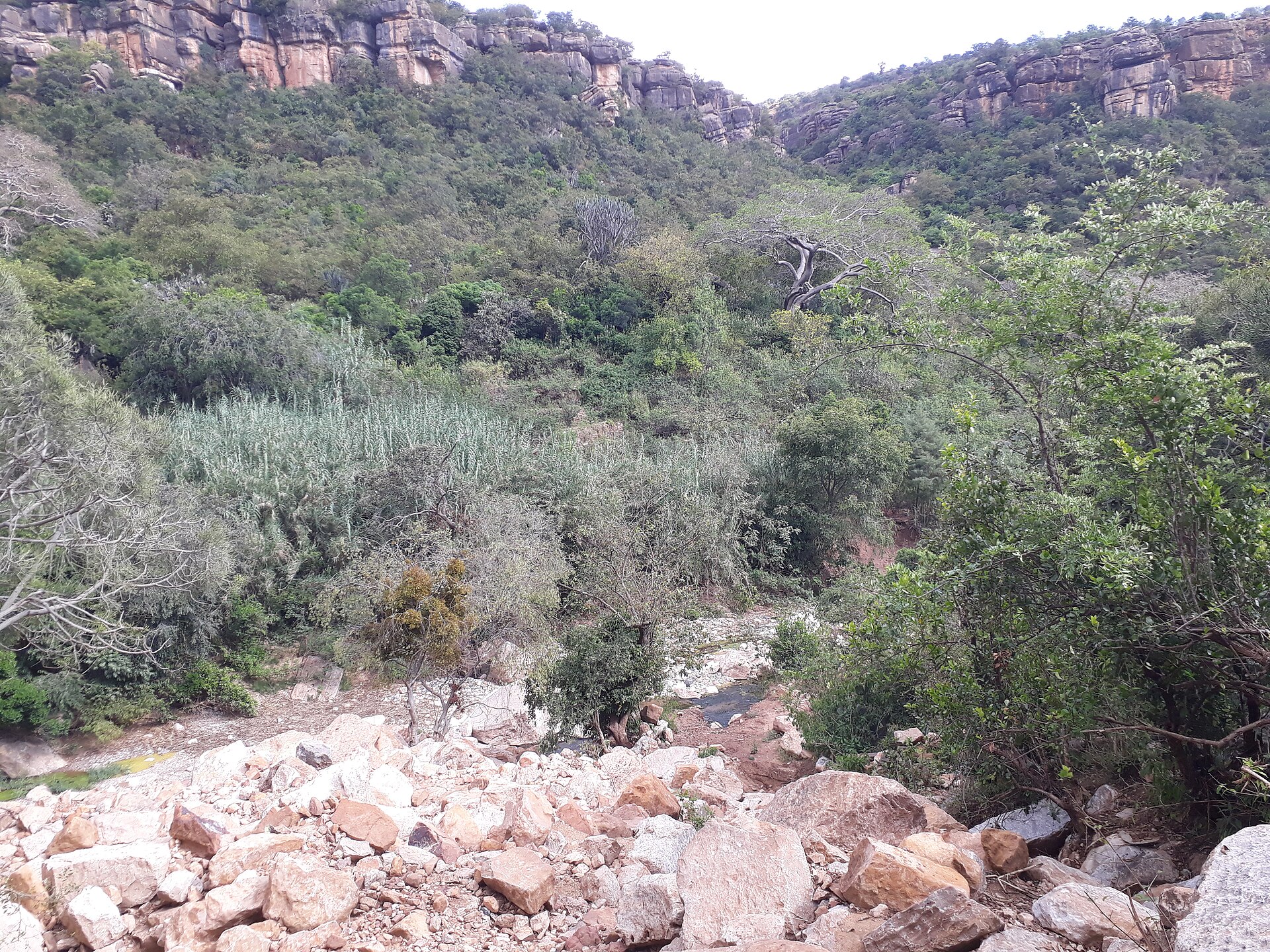
Carved over hundreds of millions of years, the Namibian ravine runs about 160 kilometres and drops to 549 metres. Hikers finish at the hot springs of ǀAi-ǀAis.
The Nairobi Summer School on Climate Justice has trained more than 2,500 young people from 144 countries. Some of its graduates now negotiate for Africa at UN climate talks.
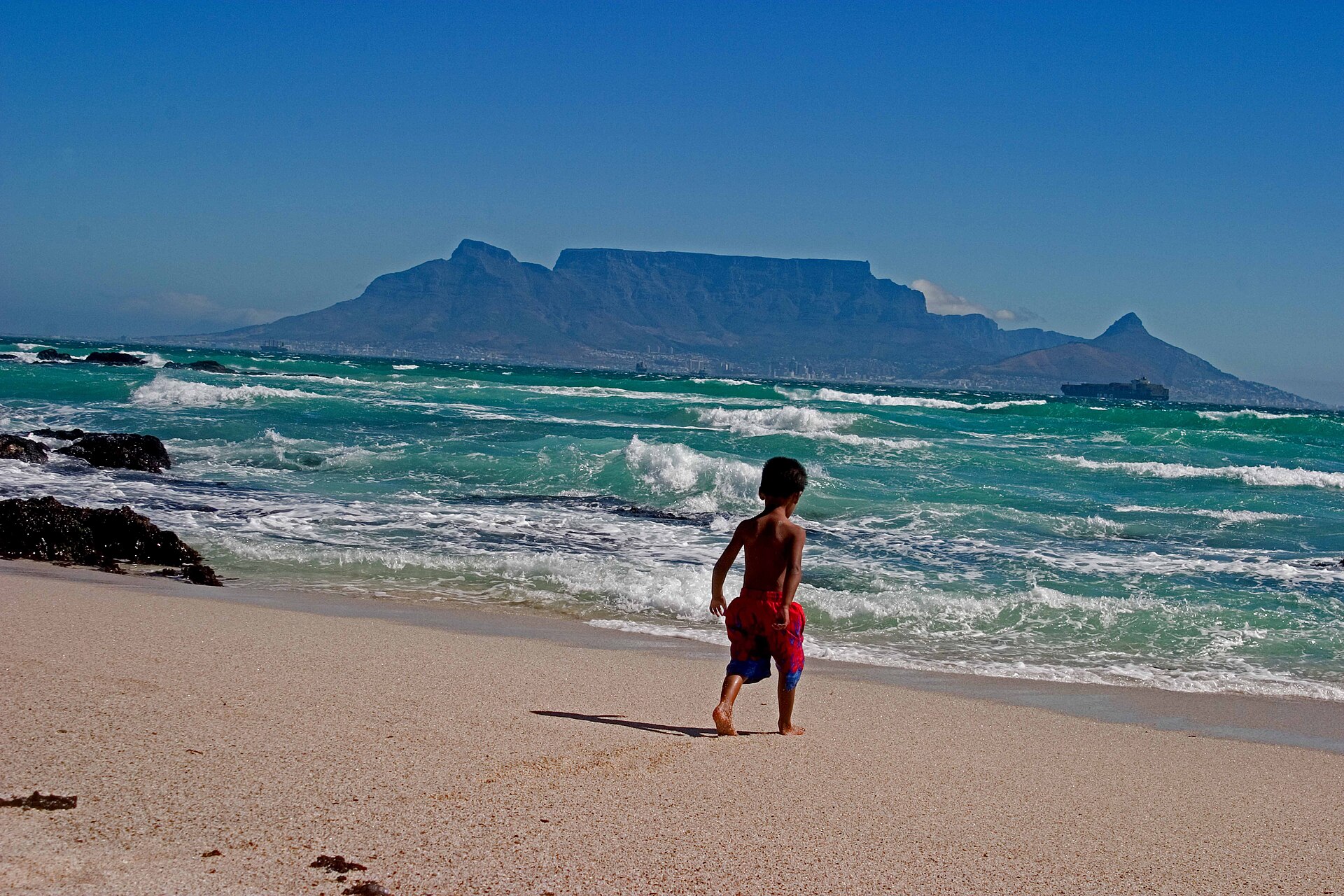
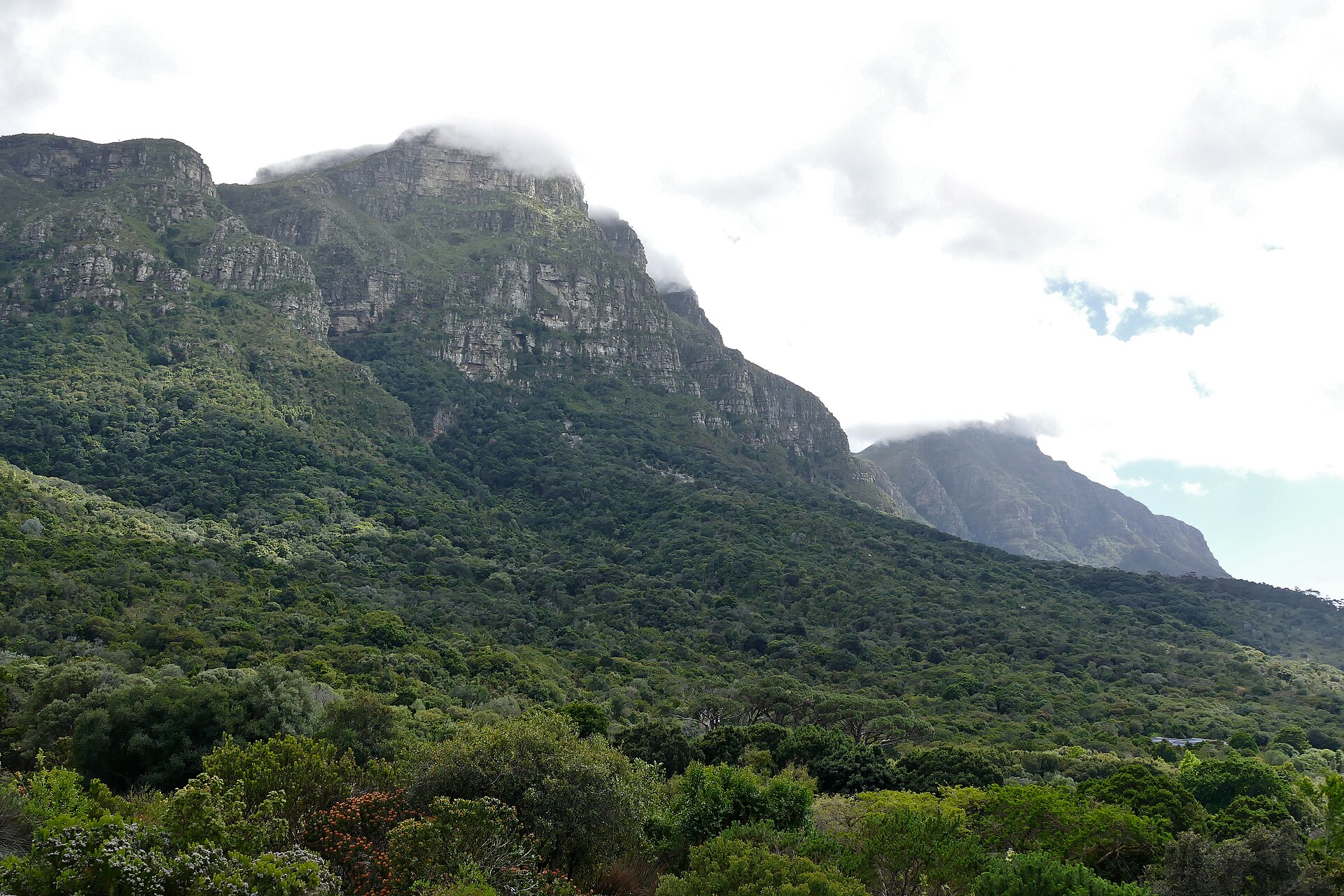
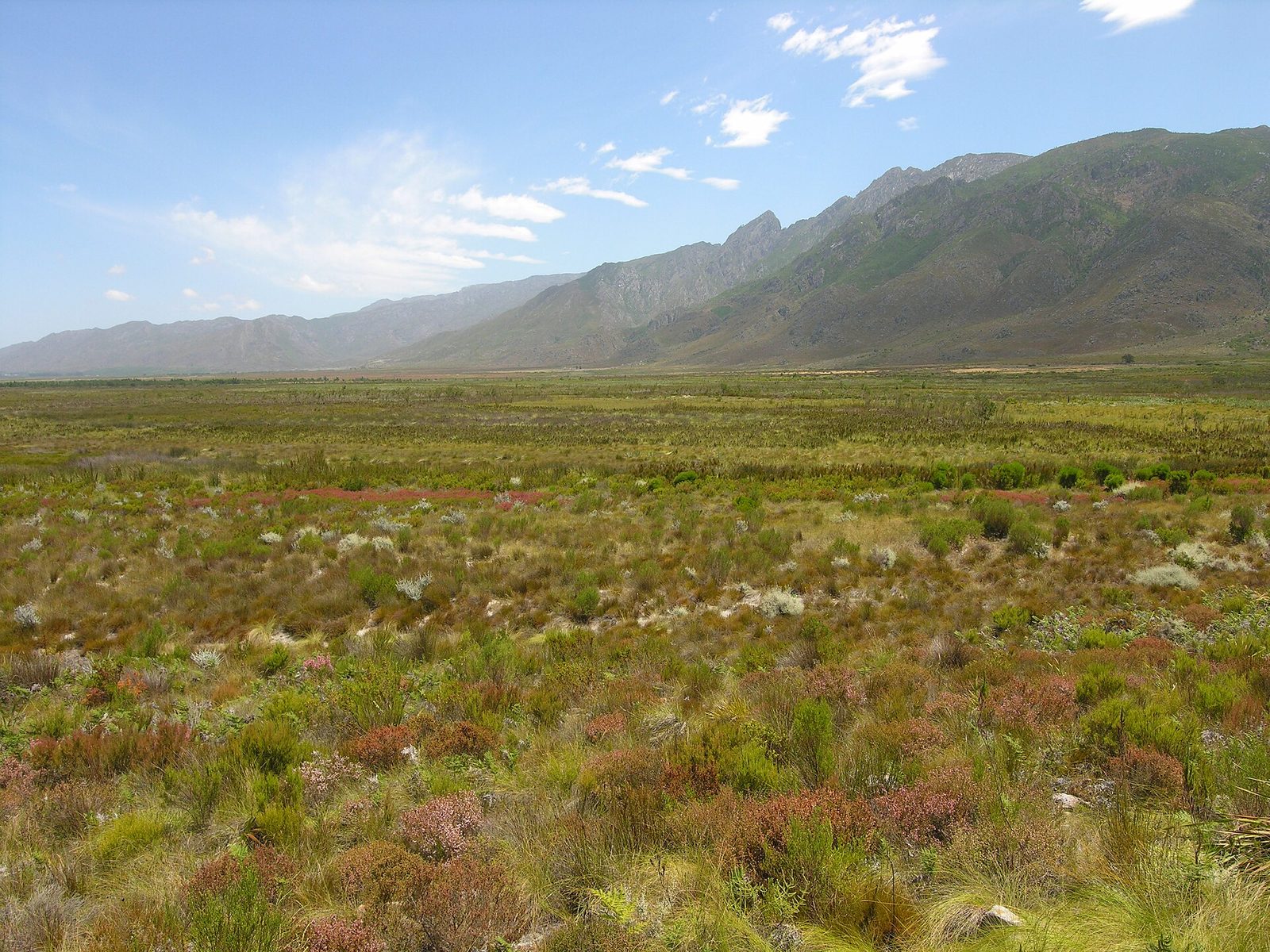
The Khoekhoe called it Huriǂoaxa. Its flat top, cloud 'tablecloth' and fynbos draw 4.2 million visitors a year to South Africa's most visited national park.
Rhodes University researchers worked with communities in 13 villages to chart how the river feeds, heals and sustains them, and what has changed since 2000.
A GAIA Africa report examines 15 waste-to-energy incineration projects in 10 African countries, and speakers called for money to go to prevention, reuse and composting.
The Donald Danforth Plant Science Center wants to expand into maize, sorghum, millet and beans, and into student exchanges with the Rwanda Institute for Conservation Agriculture.
As incoming host of COP32, Ethiopia called for more investment and partnerships to halt and reverse deforestation by 2030.
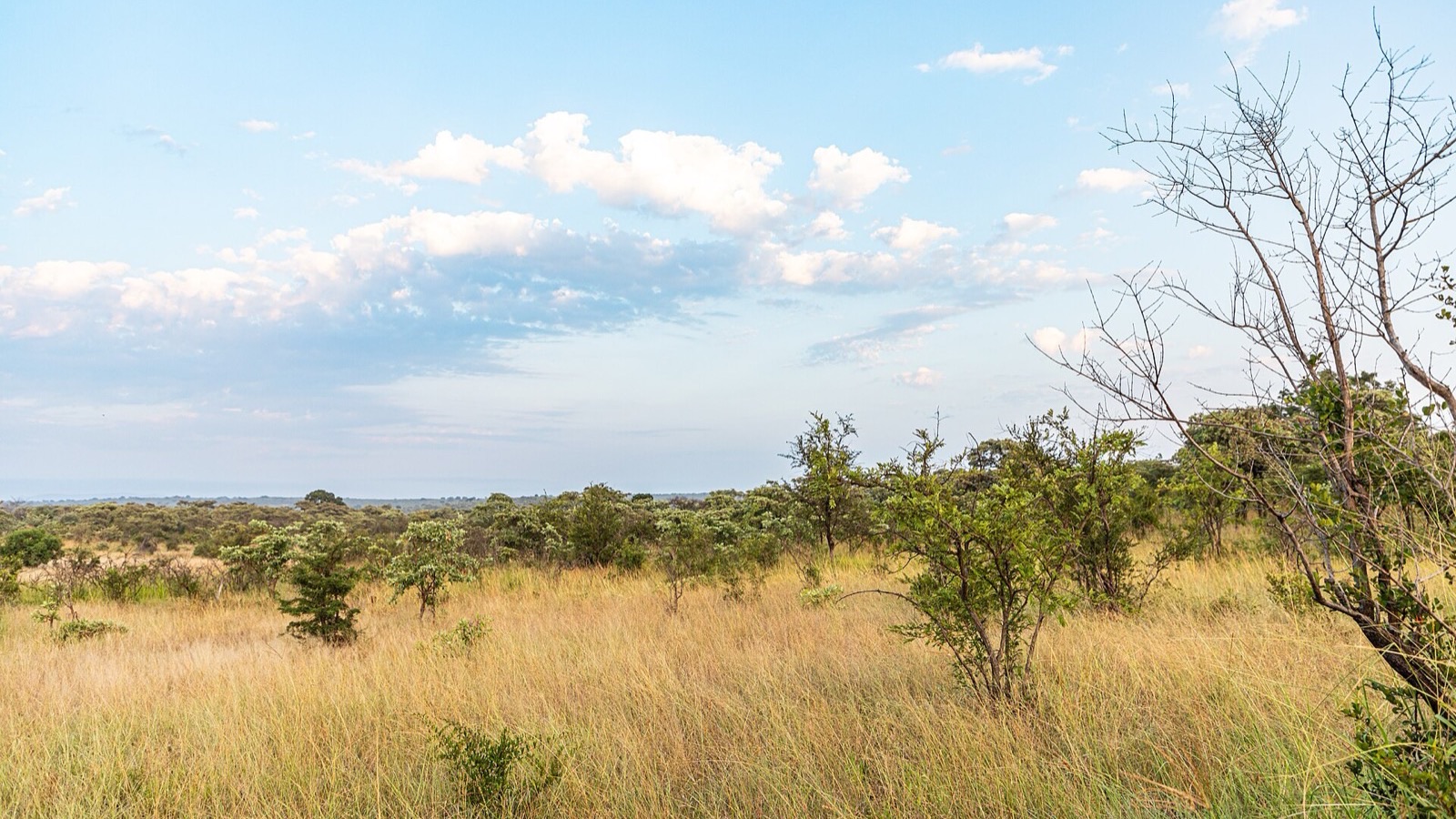
Once home to some of Africa's densest herds, the park in the Rift Valley has been rebuilding since 2004, with leopards, wild dogs and hyenas returning.
Reclite SA expects to recover about 10,000 tonnes of panels this year, years earlier than forecast, turning their glass into material for local manufacturing.
Prime Minister Justin Nsengiyumva set out plans to expand transmission capacity by 70% and double regional electricity trade, and asked development banks for project finance.
More than 2,100 young people took part in a survey and consultations led by the Green Africa Youth Organisation, which wants their own solutions funded and scaled.
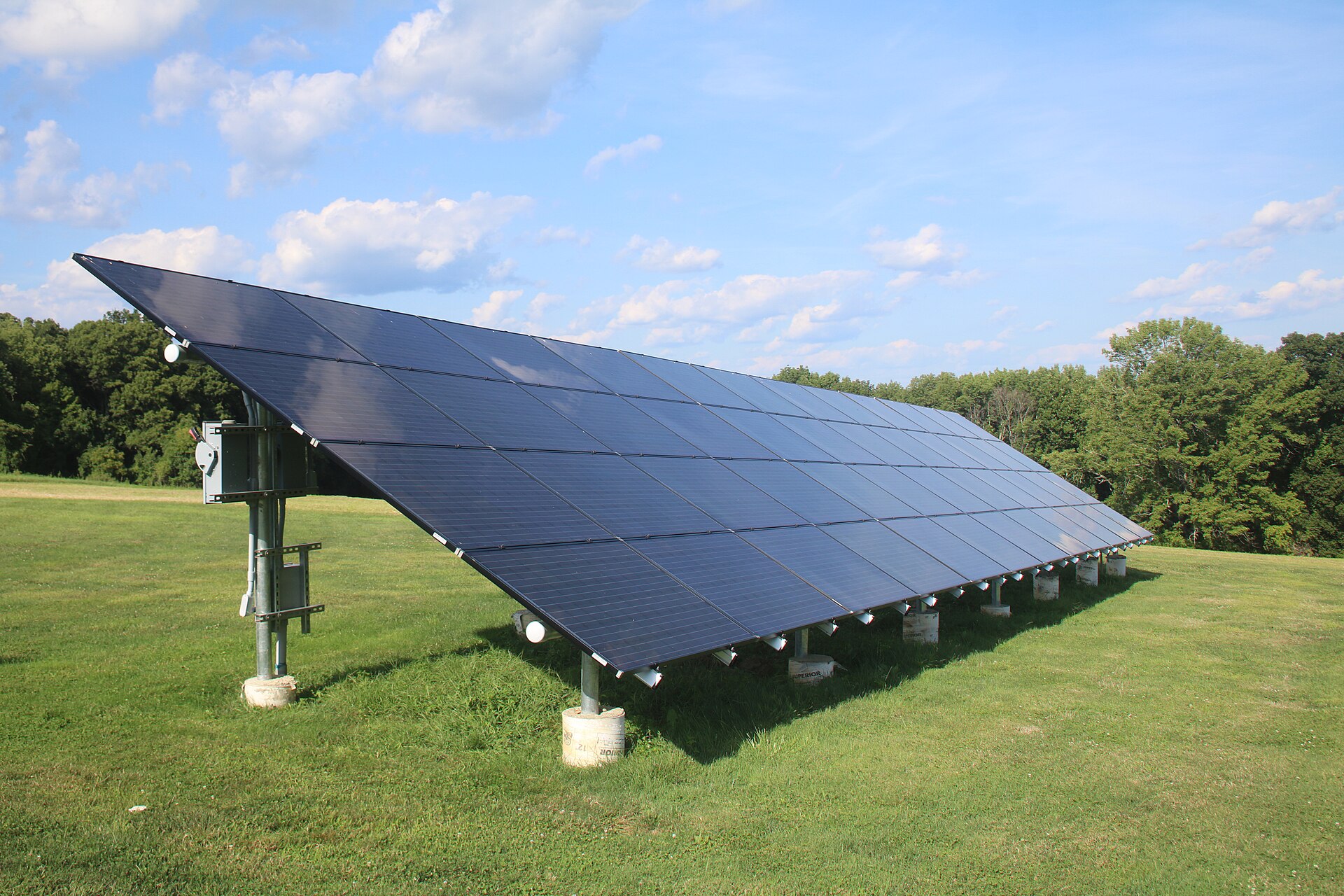
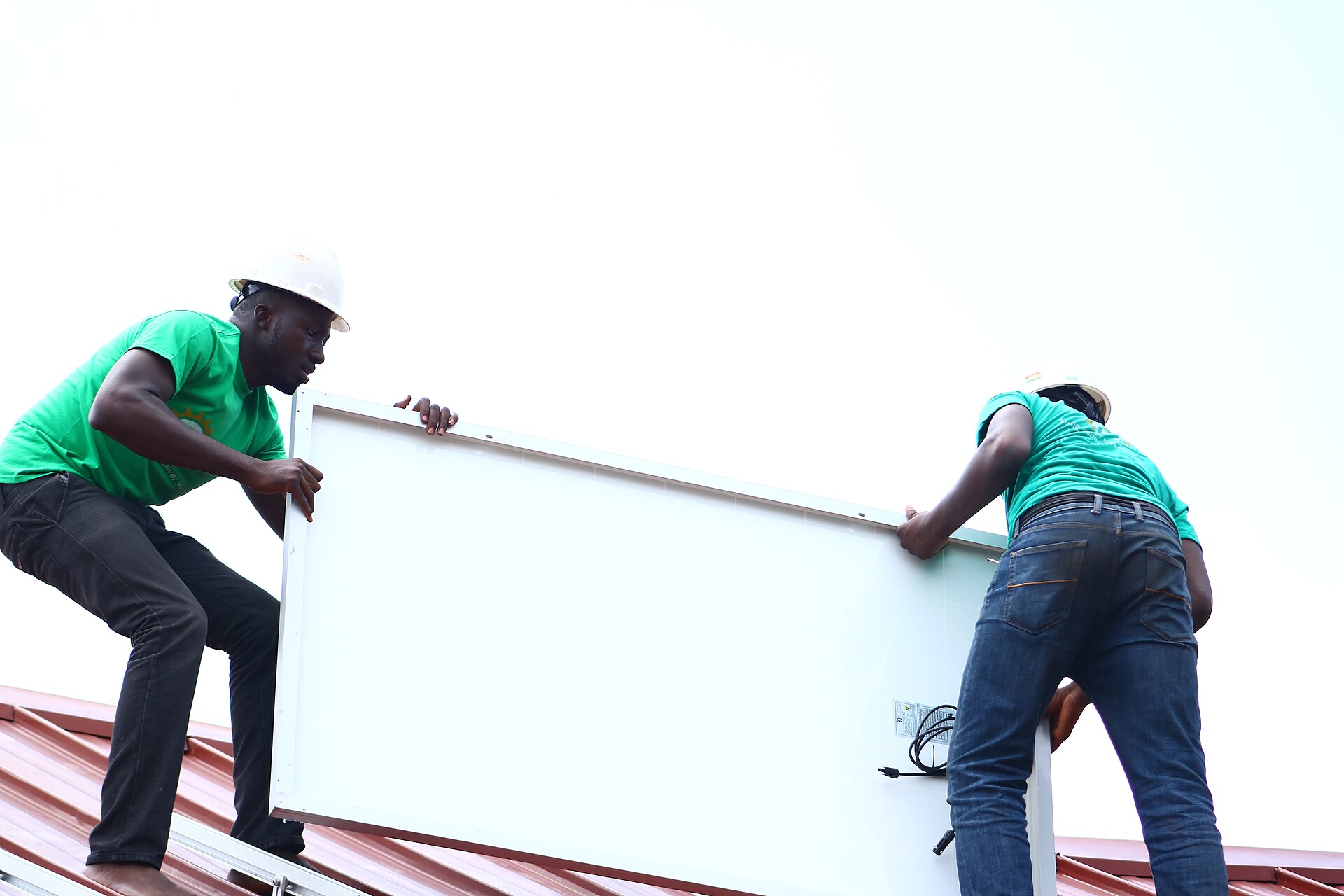
The 2027 budget measure aims to cut the upfront cost of going solar for households, traders, farmers and small businesses.
Green entrepreneurs under 35 can apply for training, mentoring and a chance at $10,000 awards; last year's winners included a Ugandan founder.
NALDA told COP31 the plantations will create rural jobs and store carbon, and that it is seeking to sell carbon credits from them.
Stopped before export to Georgia and left lying in a car park for three months, the giant trees are heading back north to be replanted.
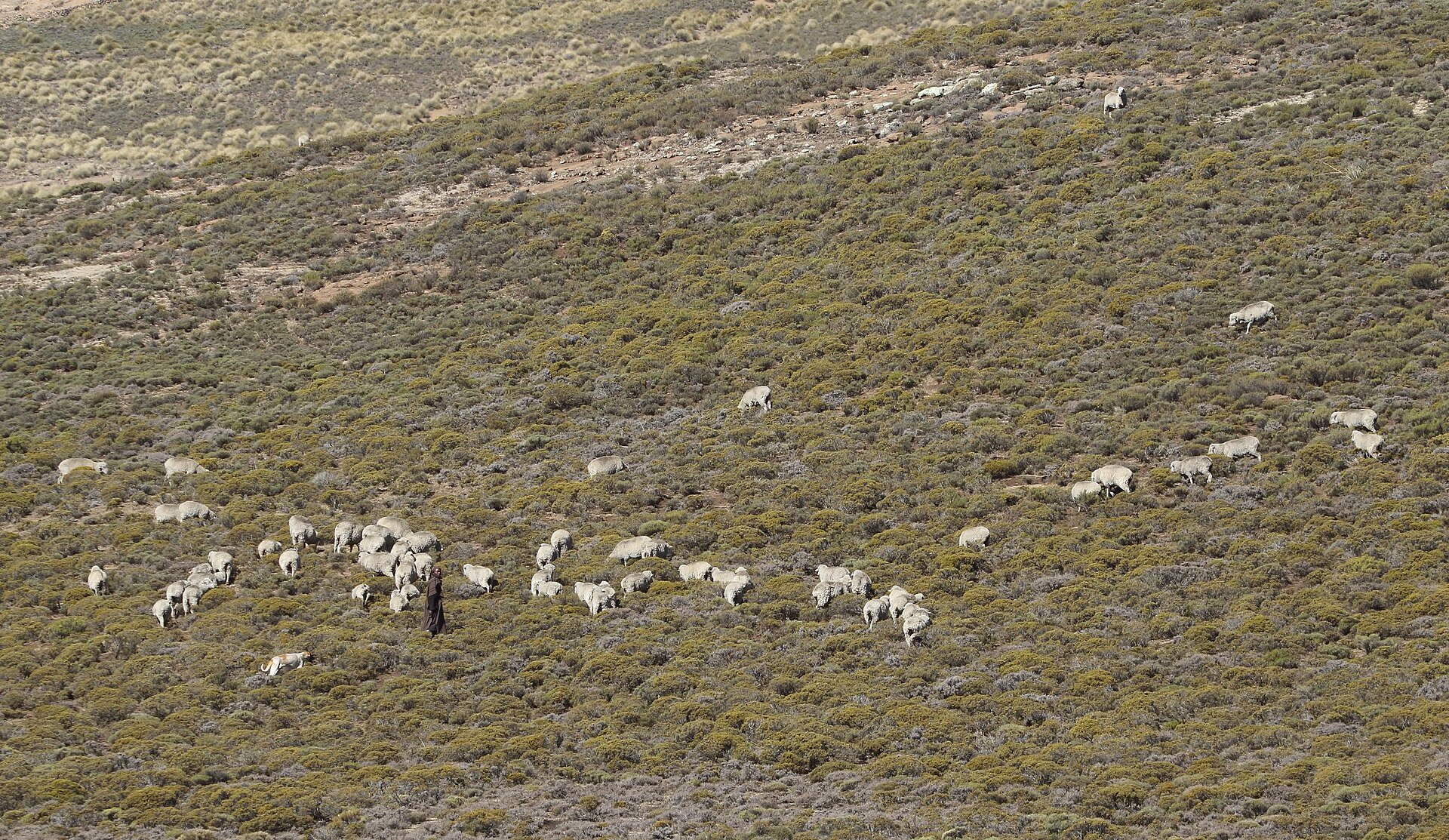
A computer model of seven southern African countries shows climate change favouring wealthier livestock owners, and how to prevent that.
The financing lets the mesh-grid company buy equipment for about 150,000 new connections, more than ten times its current network.
Adopted by the African Union in 2007, it has grown from a line of trees into a mosaic of productive land, with a long way still to go.
Foreign Minister Gedion Timothewos, the COP32 President-designate, and Finance Minister Fitsum Assefa opened the stand in Türkiye.
Vets will vaccinate and sterilise the dogs, and healthy ones will be offered for adoption. The governor plans more shelters if it works.
Two more contracts are being signed and four will be retendered, the irrigation ministry says.
Low pressure and interruptions are possible from 10 to 17 November as KIWASCO prepares to install bulk meters.
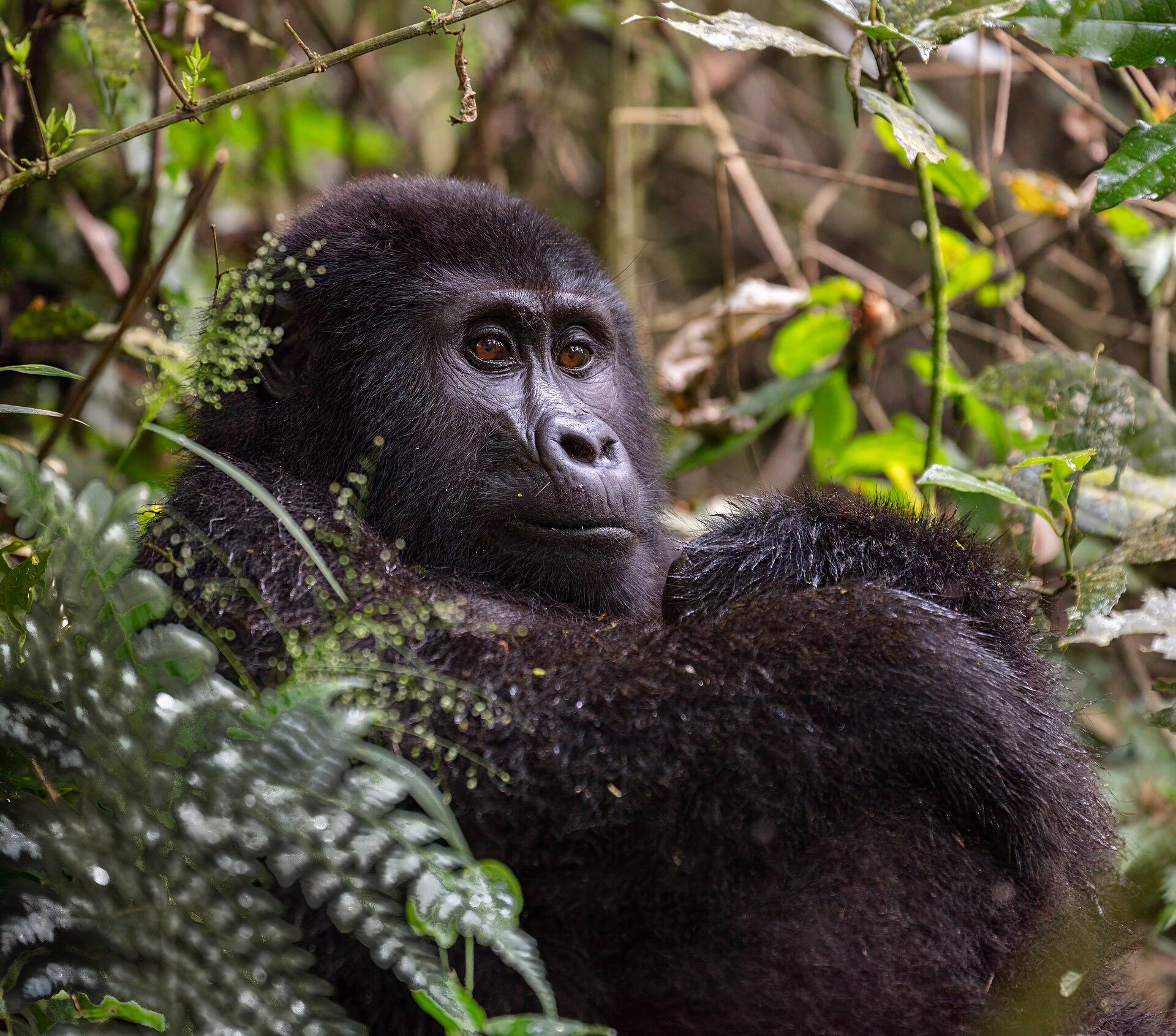
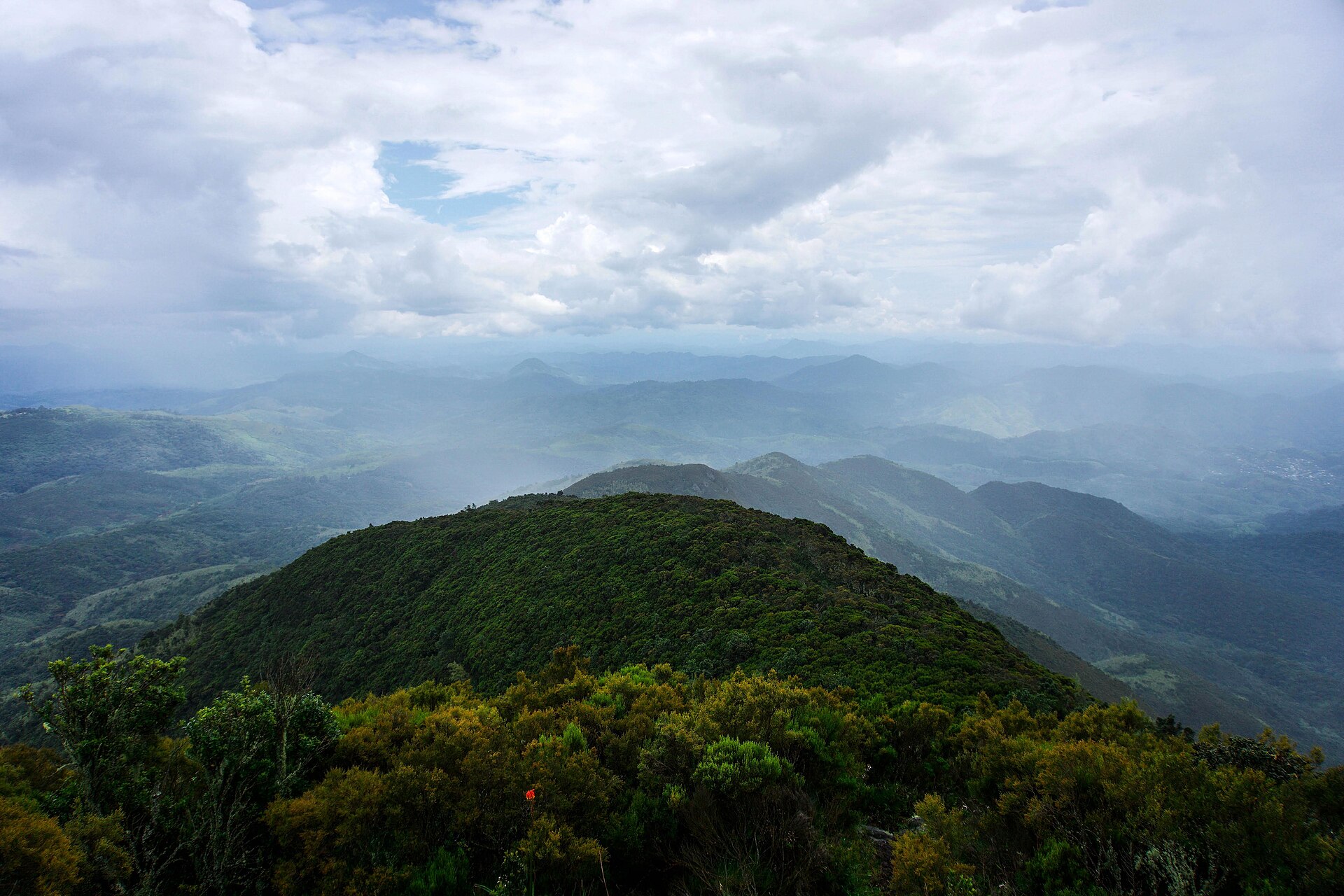
Reachable only on foot, the World Heritage park on the edge of the Albertine Rift is home to some 400 gorillas and more than 1,000 flowering plants.
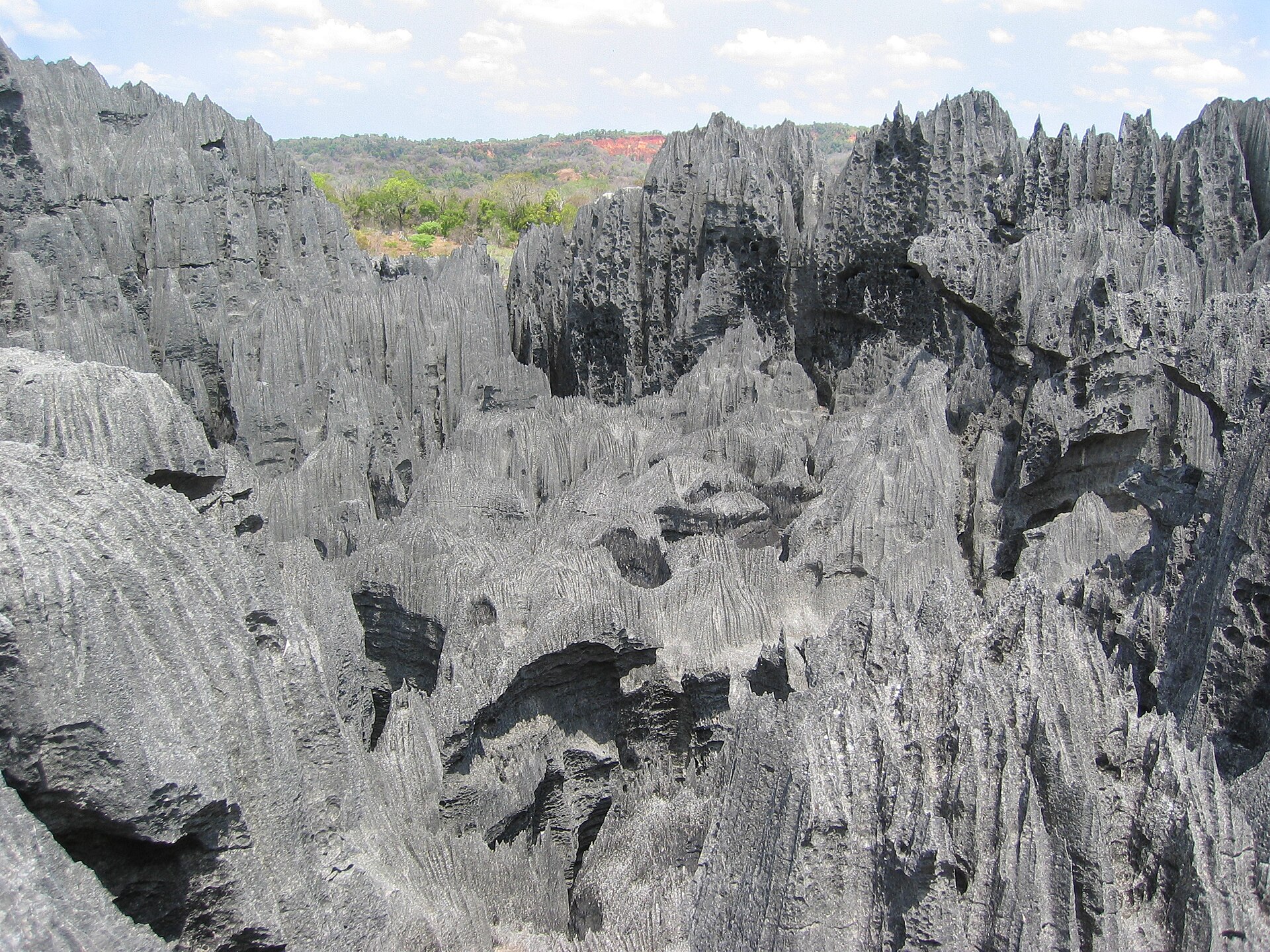
The name means the place where one cannot walk barefoot. UNESCO listed the limestone reserve in 1990 for its geography, mangroves, birds and lemurs.
It is the first gorilla group located since monitoring was suspended in February 2025.
Founded in 1913 below Table Mountain, it was the world's first botanical garden devoted to its own country's flora.
Heat warnings, safe water, sanitation and clean cooking pay back most in low- and middle-income countries, a new report finds.
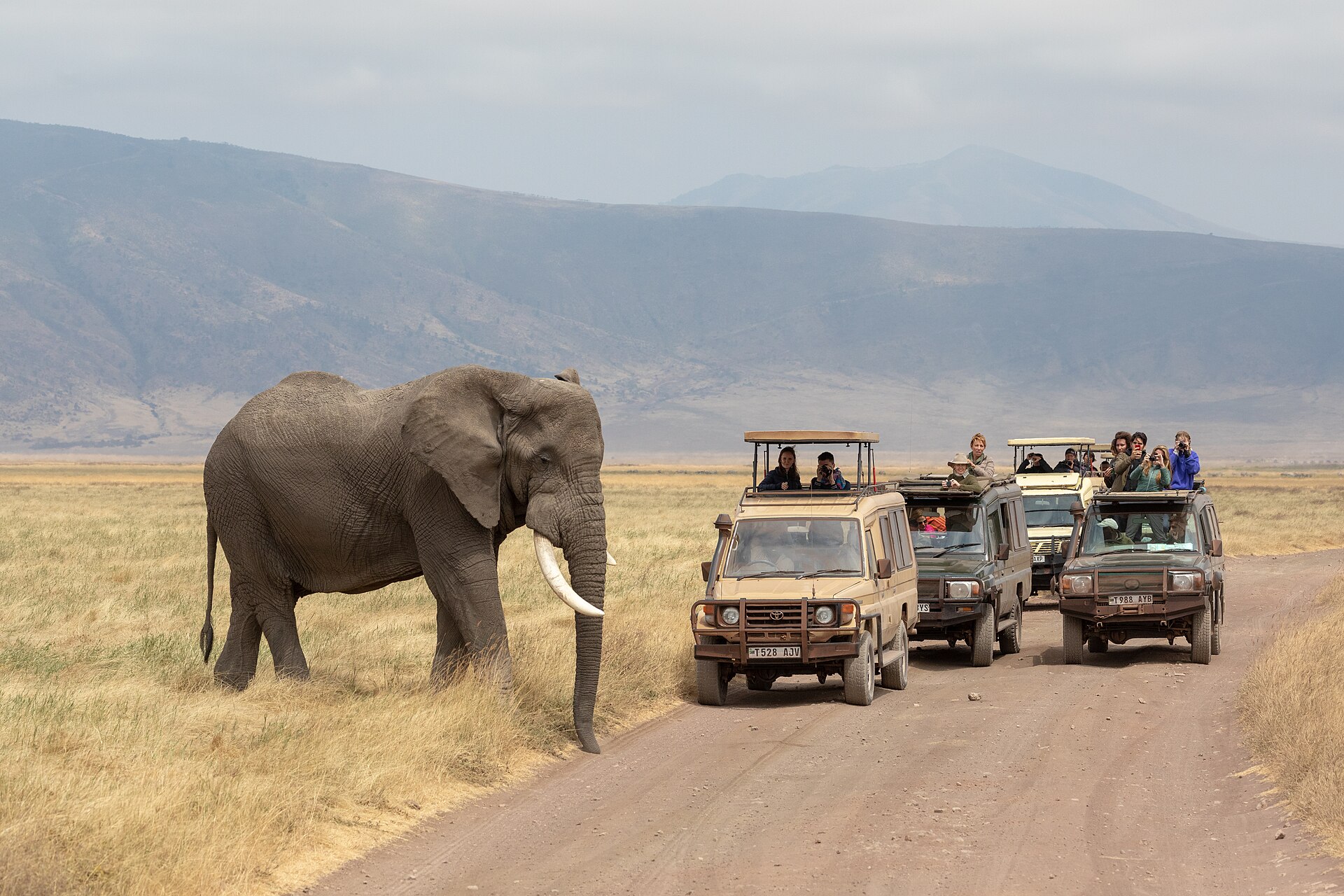
Tanzania's conservation area holds a vast caldera full of wildlife and Olduvai Gorge, one of the world's key sites for human origins.
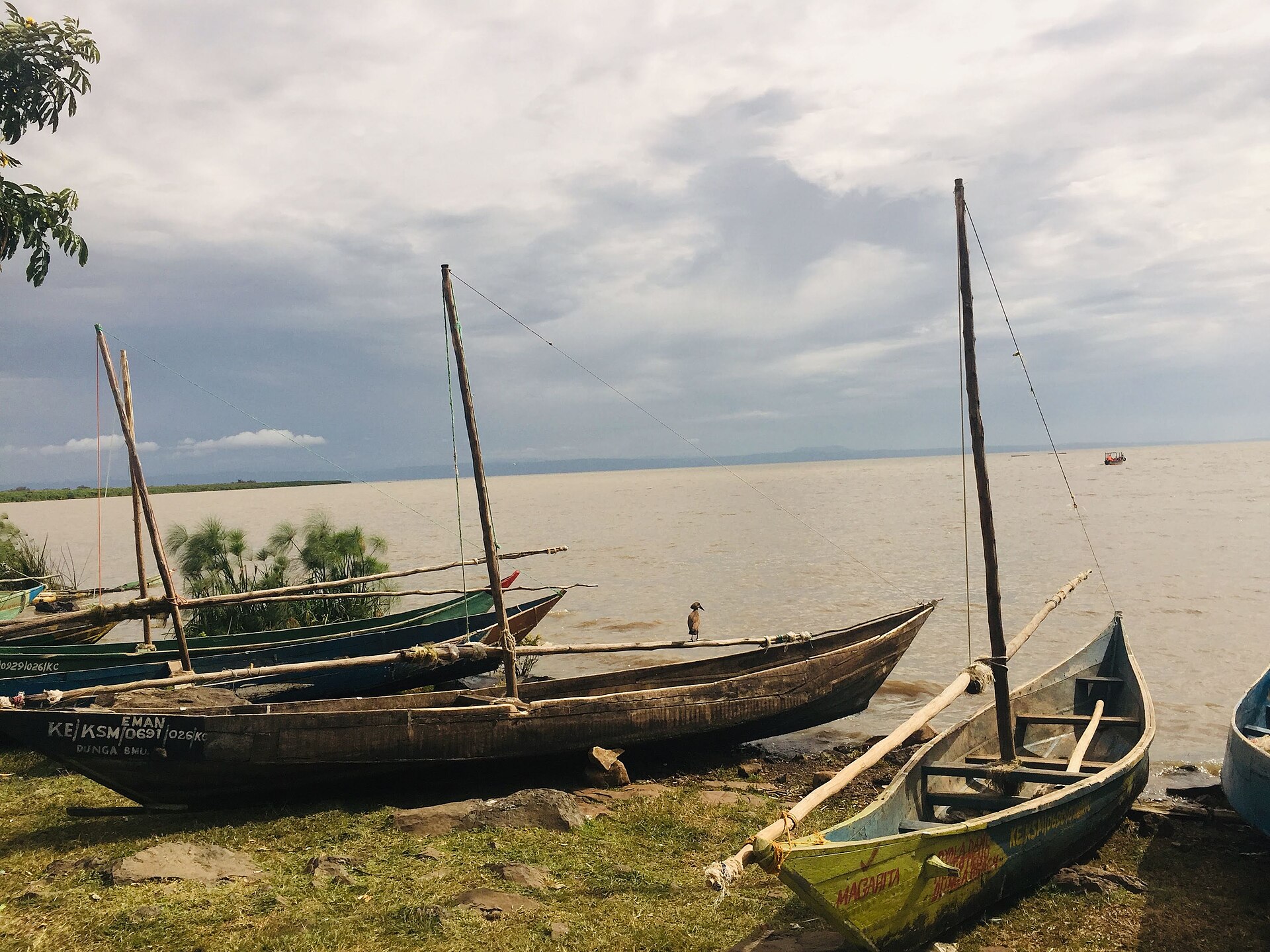
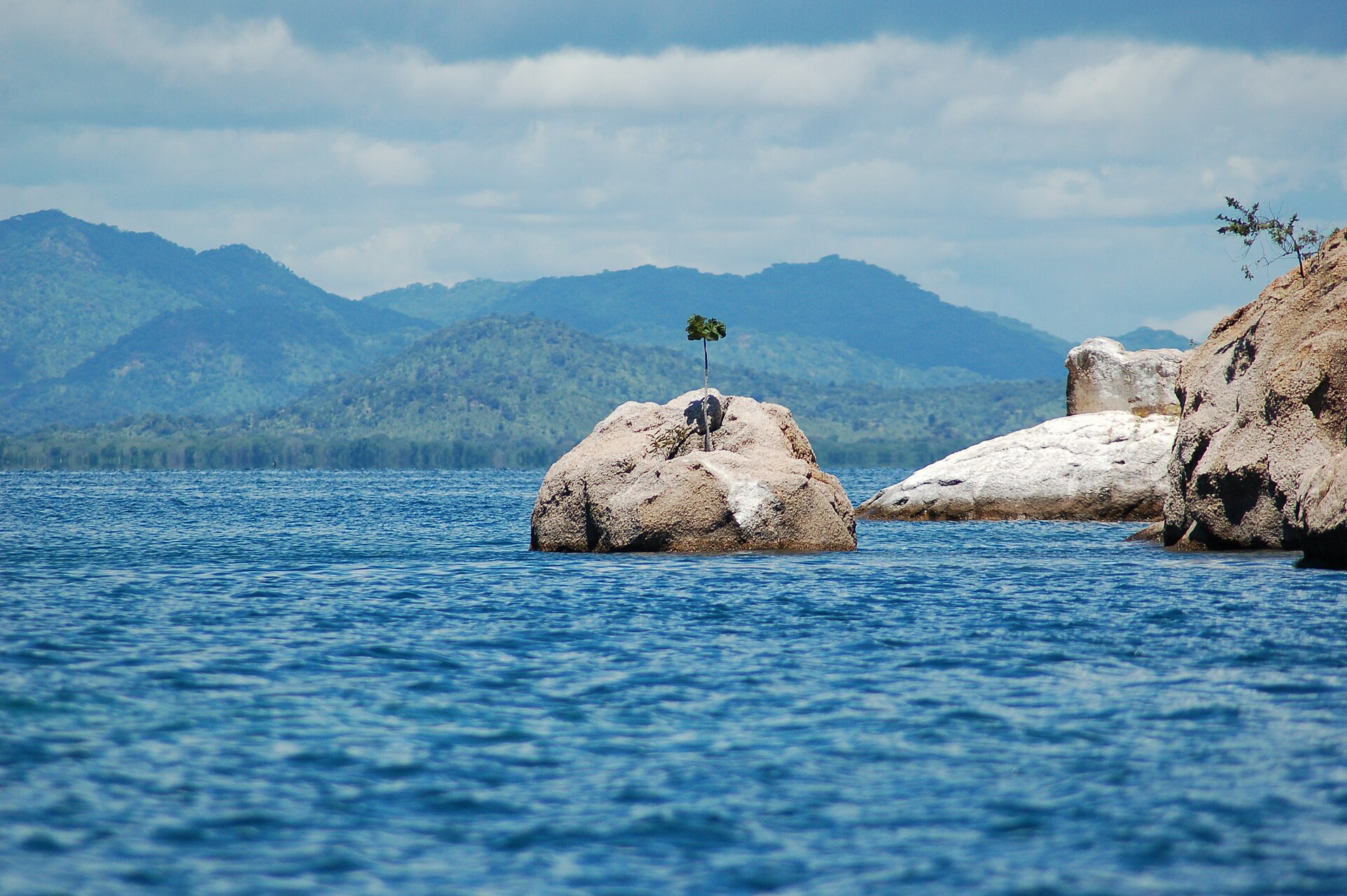
Shared by Malawi, Mozambique and Tanzania, it holds at least 700 species of cichlid and is 706 metres deep.
Support rose 17 points in two years, and more than half are very concerned about climate change.
Together the first AfriCircular cohort wants to raise $11.65 million, and each firm will be introduced to at least ten investors.
A five-year partnership will back families due to move to a new village near Volcanoes National Park, and aims to reach 3,500 over time.
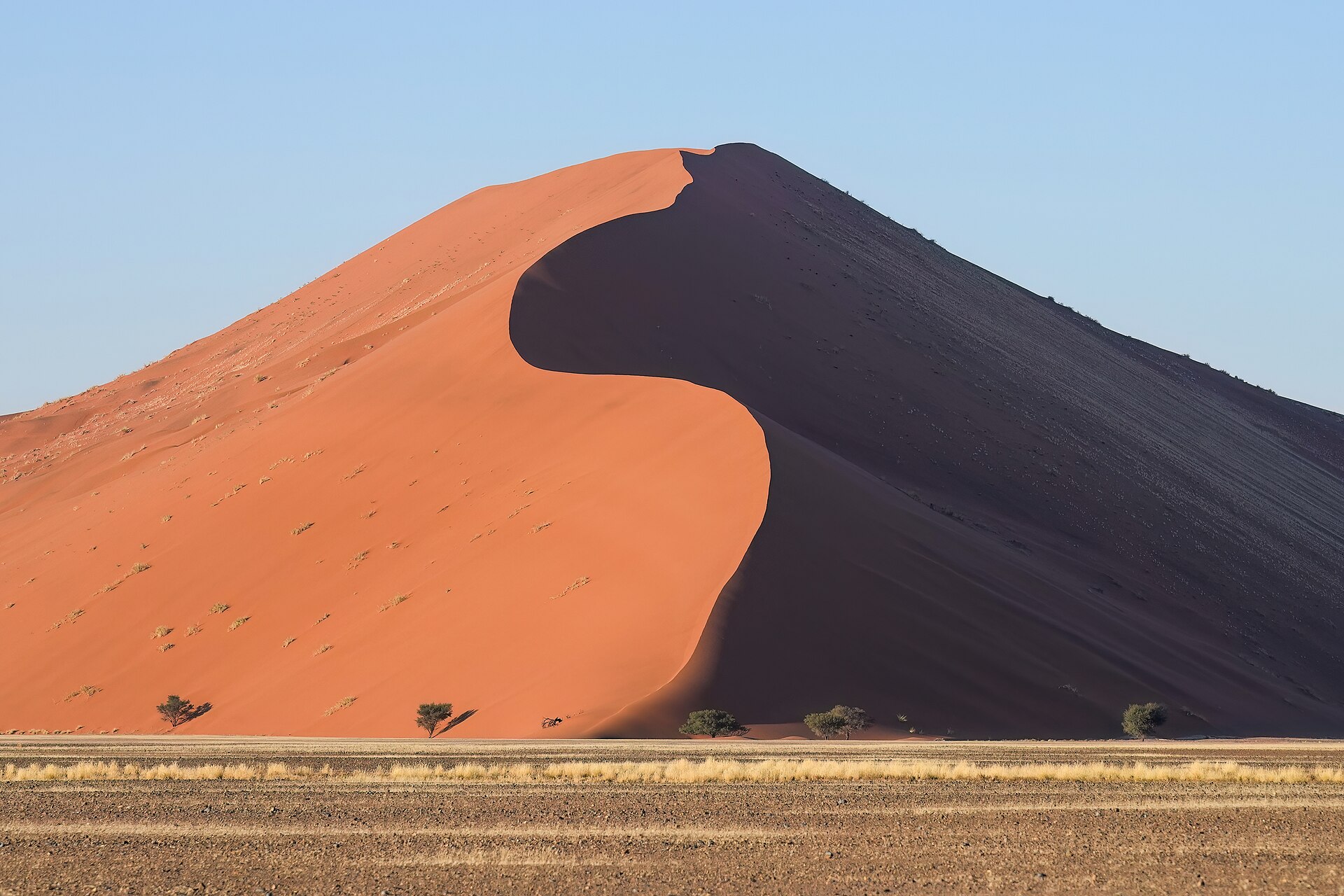
Dry for 55 to 80 million years, it stretches 2,000km along the Atlantic coast of Angola, Namibia and South Africa.
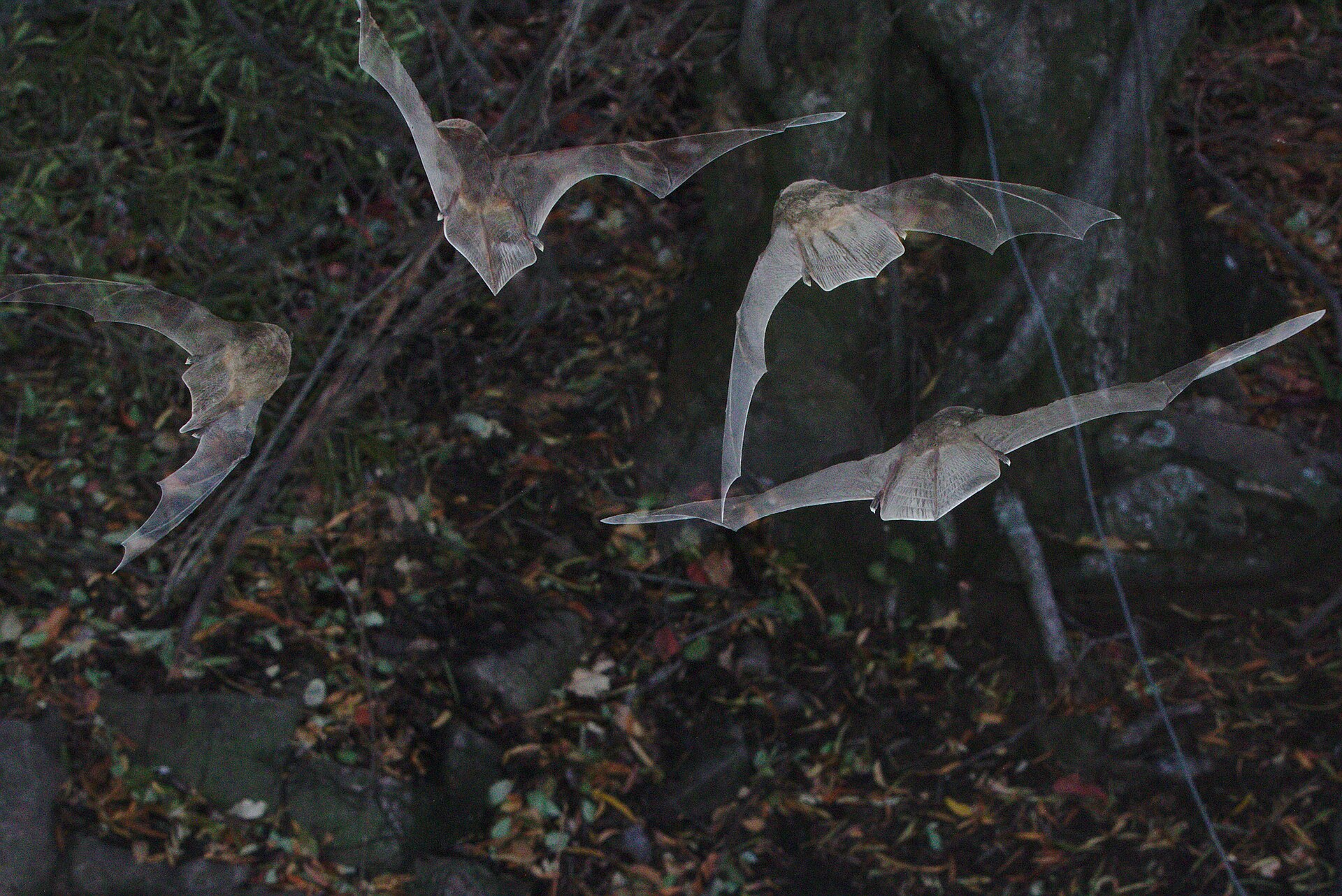
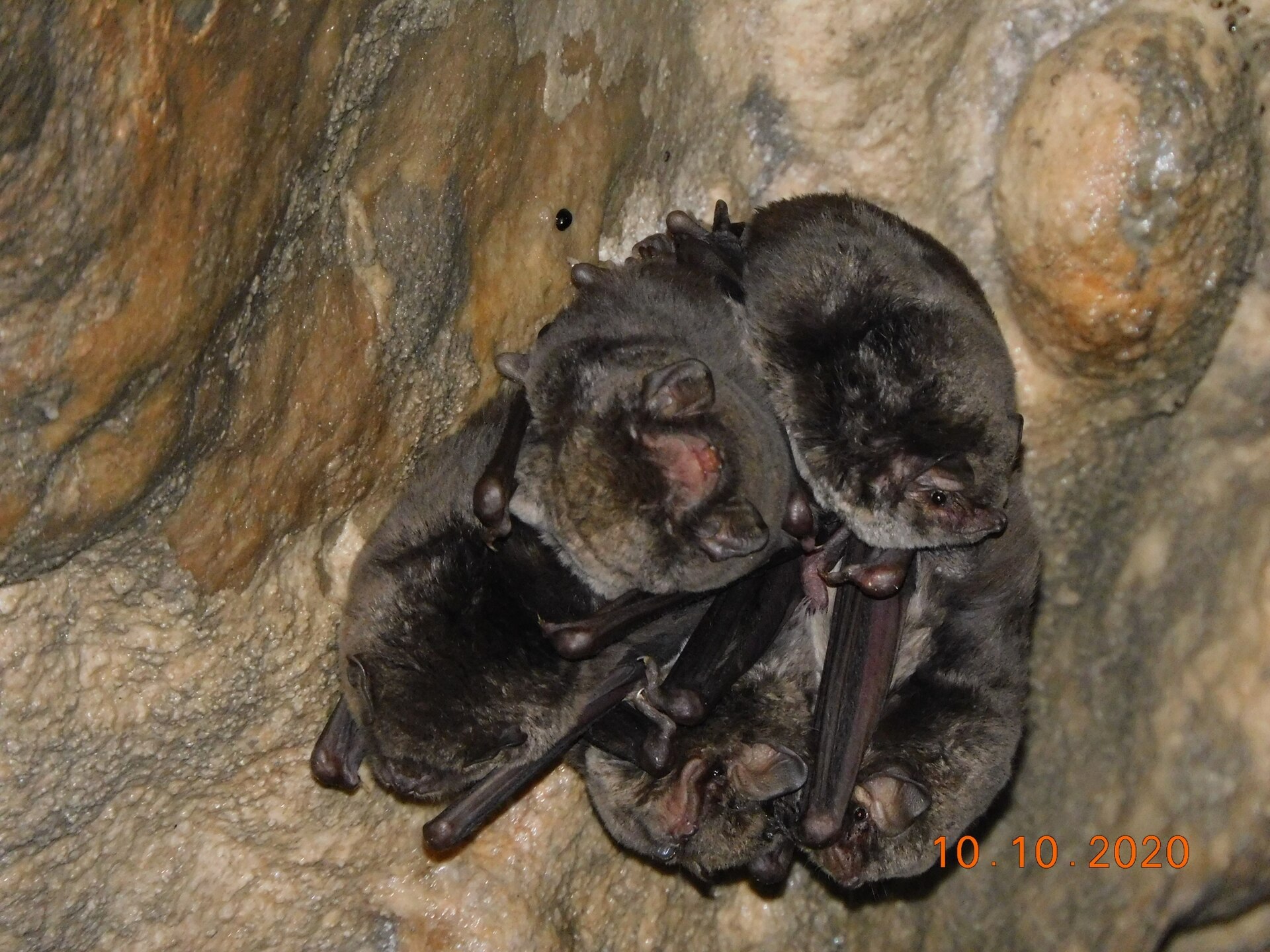
A study of long-fingered bats finds only a sliver of land will have both a suitable climate and caves to roost in.
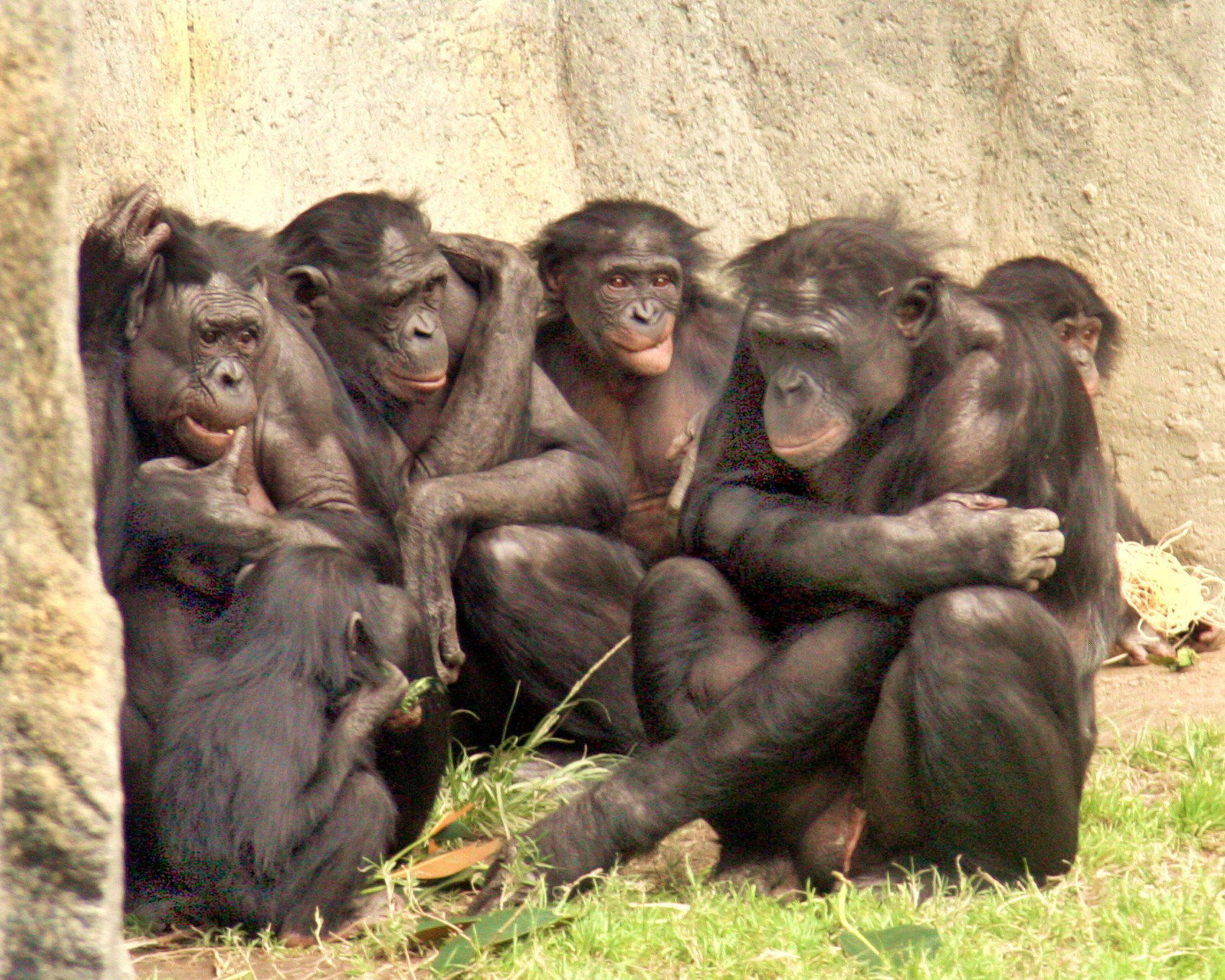
A female called Kagofero gave birth in the Mapuwa family, which now numbers 28, the park reports.
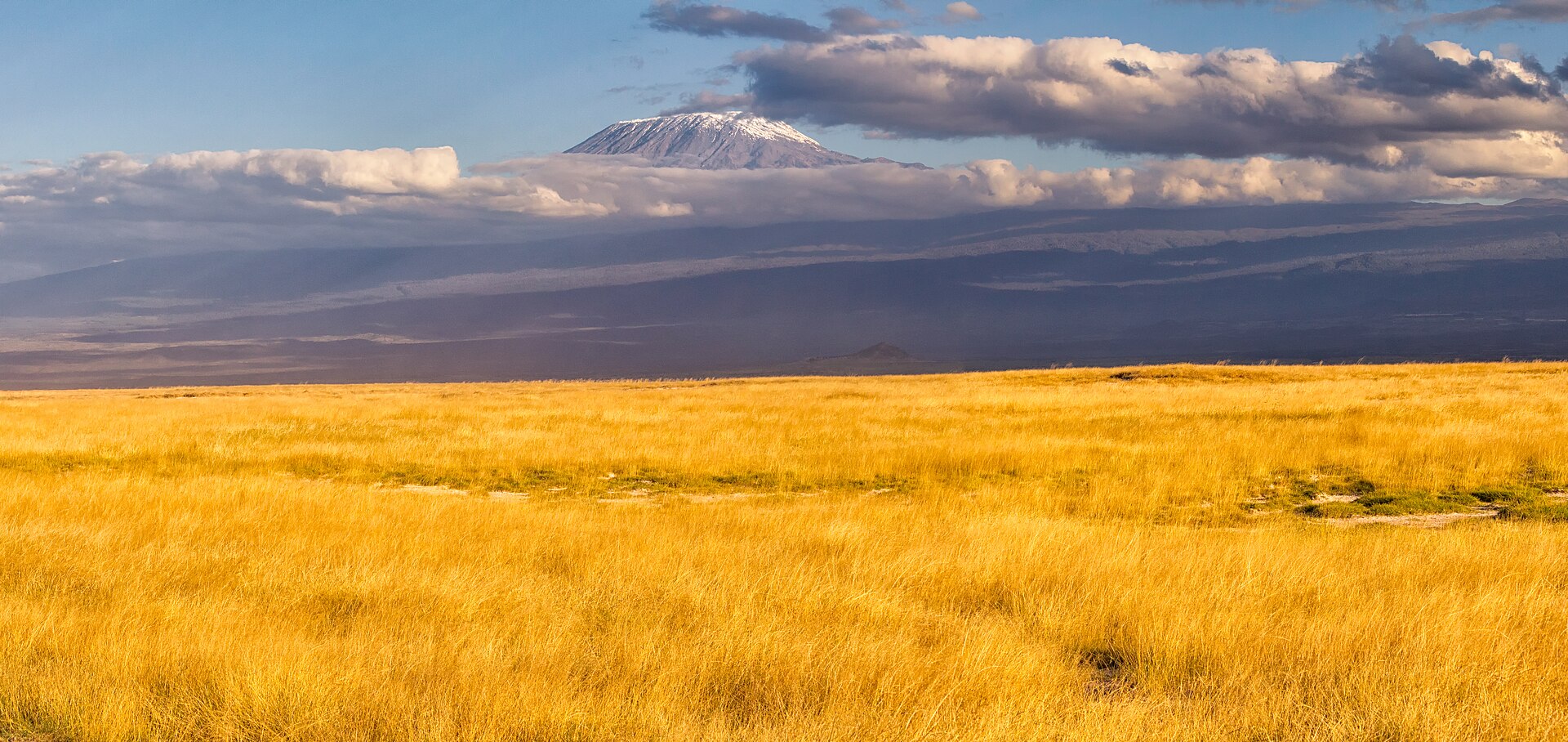
At 5,895 metres it is the world's highest free-standing mountain. Its glaciers, the largest in Africa, are shrinking fast.
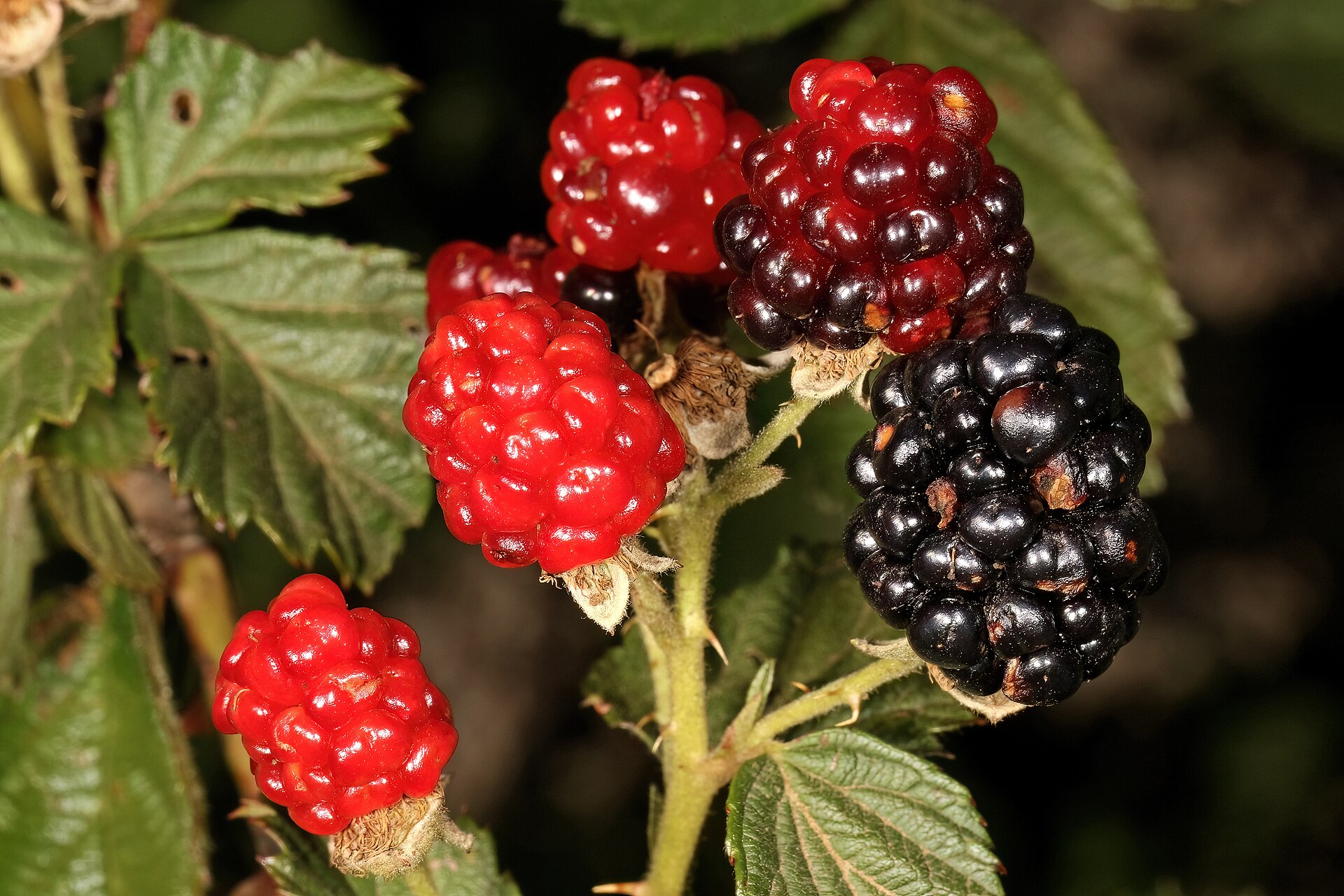
Thorny thickets choke grasslands and plantations. Untangling which brambles are which has opened the door to biocontrol.
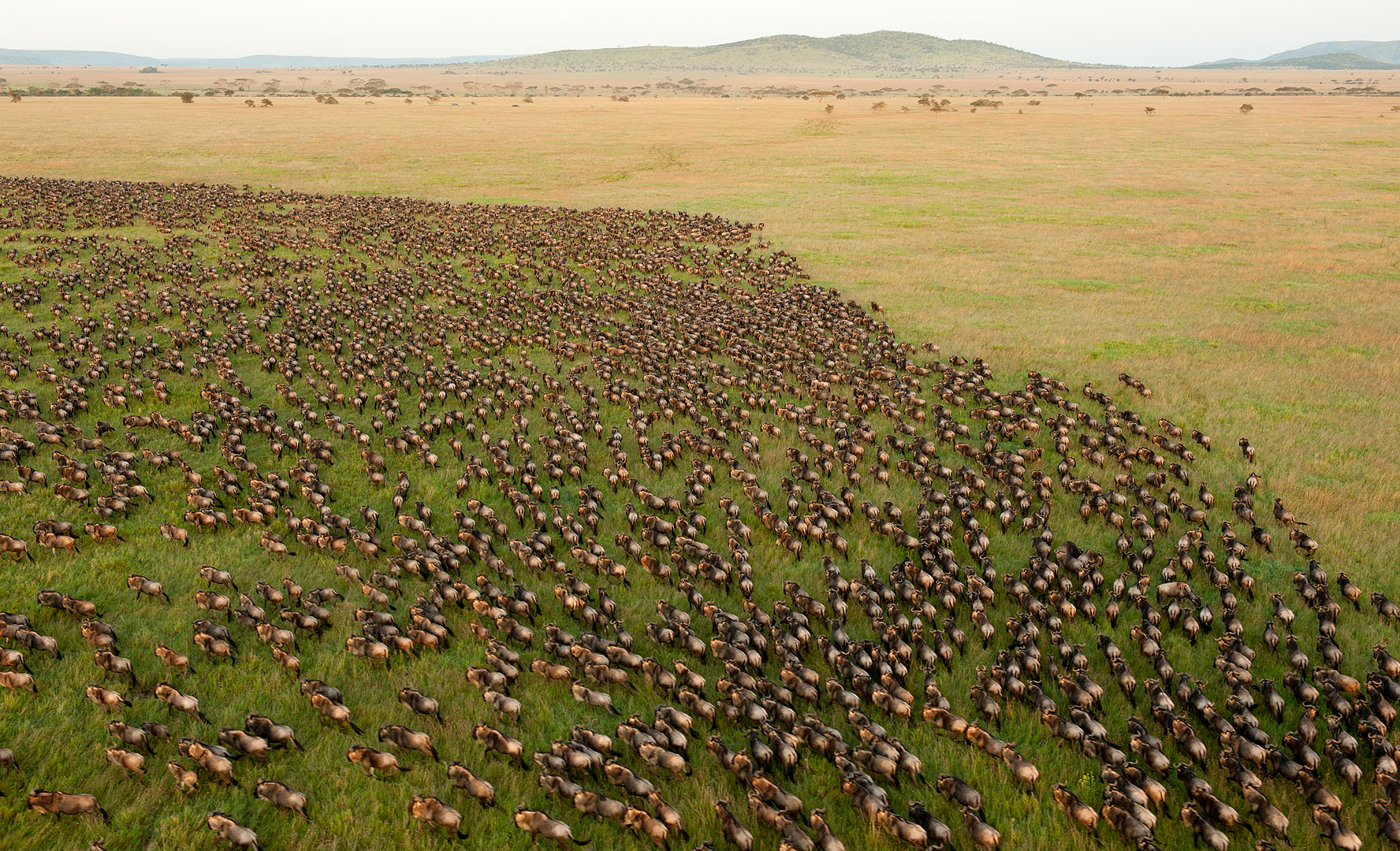
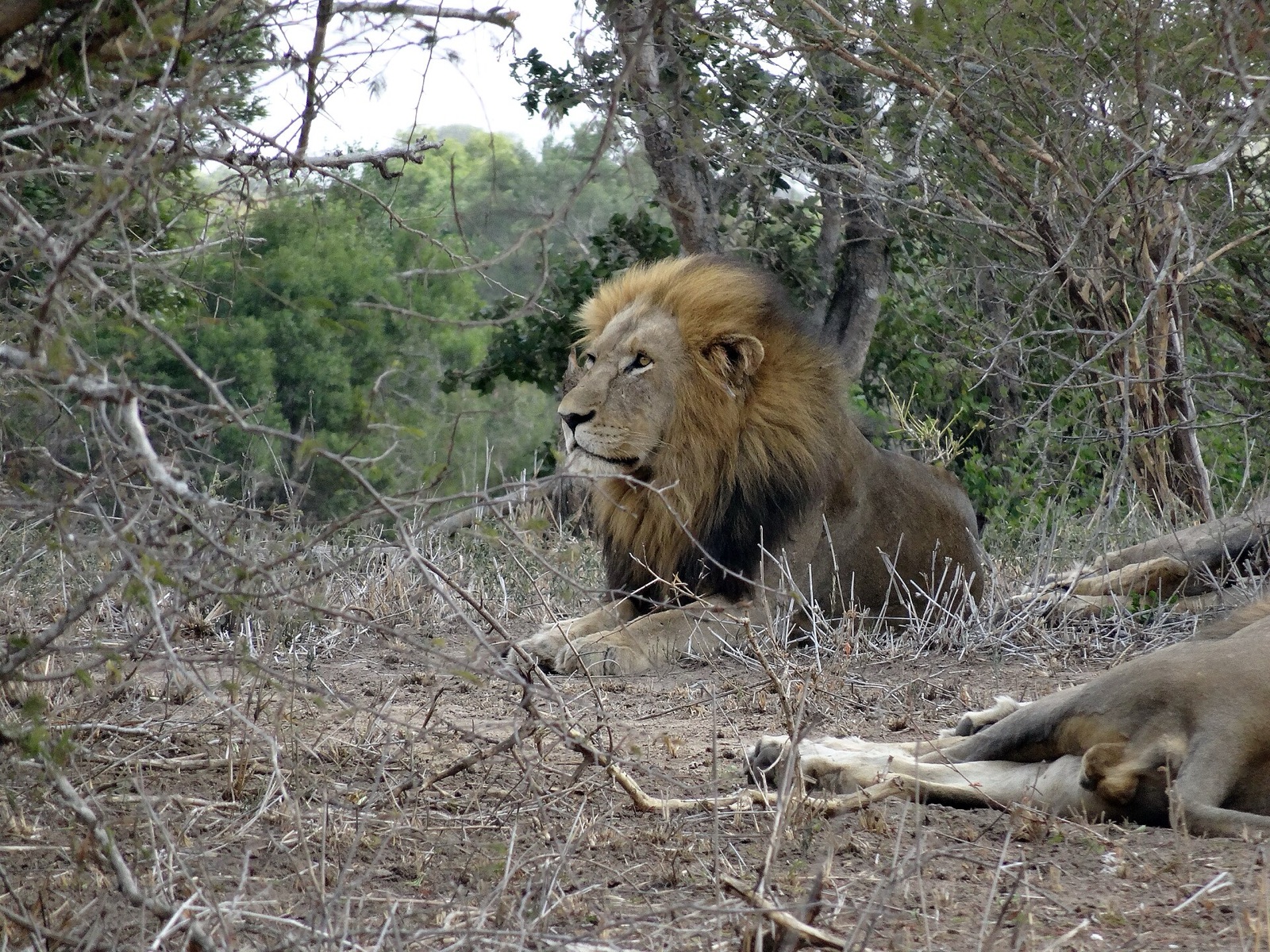
Tanzania's best-known park hosts the world's largest annual animal migration and Africa's largest lion population.
Countries agreed priorities to 2030, including more support for developing nations, but conservation groups call the outcome weak.
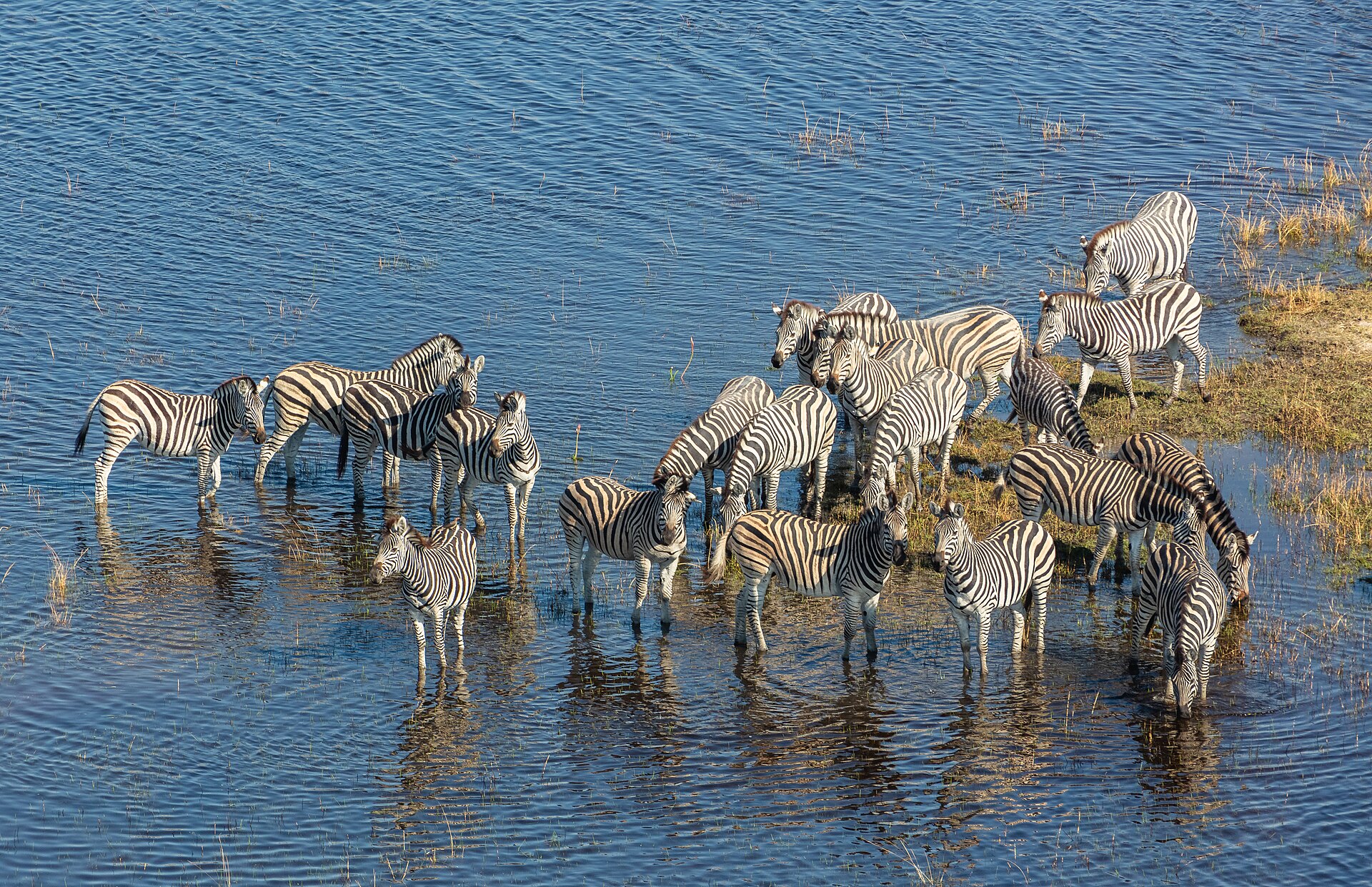
Every year floodwater from Angola spreads across Botswana's Kalahari, creating one of Africa's greatest gatherings of wildlife.
She founded the Green Belt Movement with rural women in 1977 and in 2004 became the first African woman to win the Nobel Peace Prize.
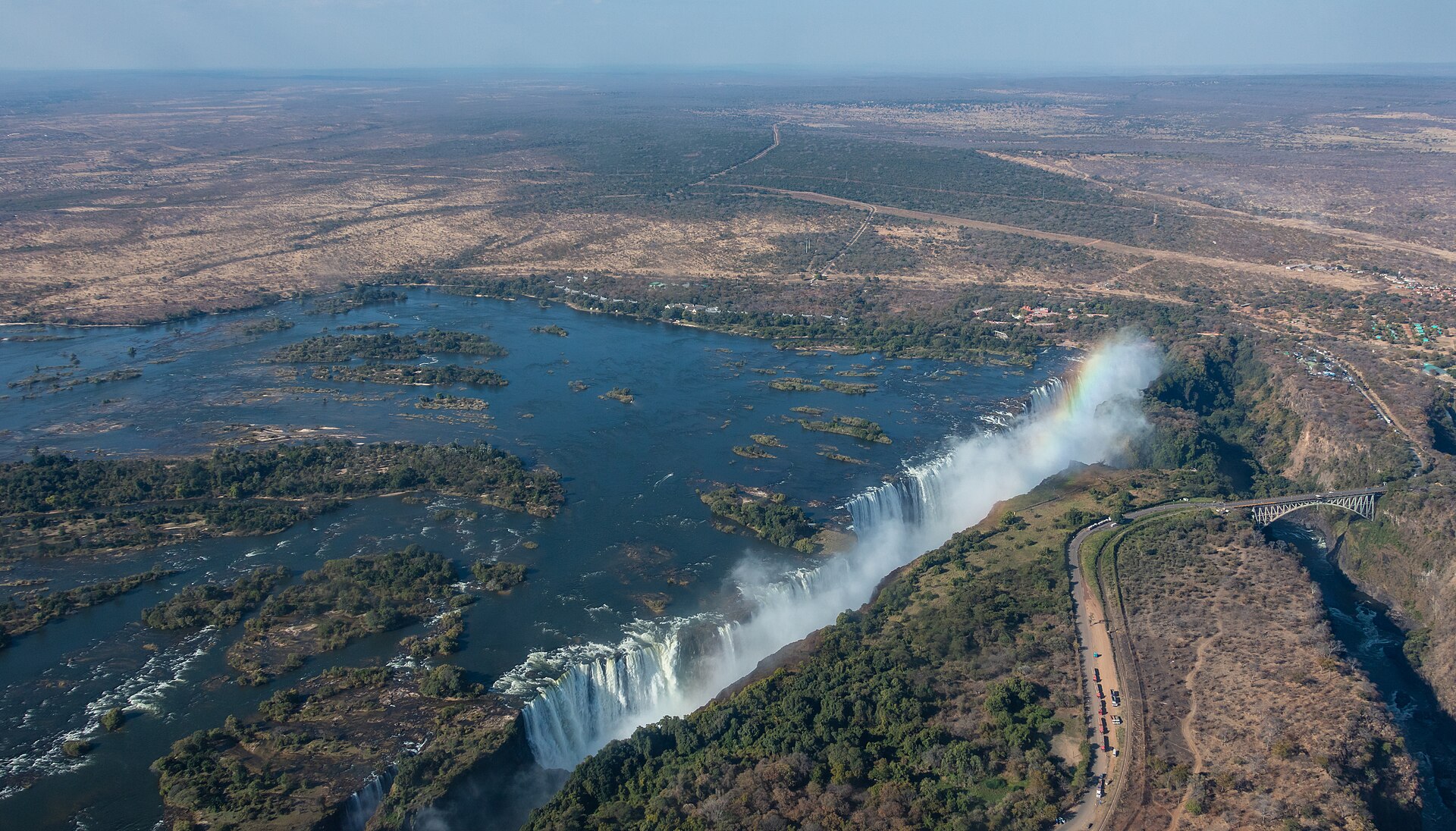
Victoria Falls is the world's largest sheet of falling water, 1.7km wide and 108 metres high, shared by Zambia and Zimbabwe.
'Dollars. Deals. Deliveries. Dividends': the climate council wants pledges turned into projects that pay Nigerians.
A new 2026–2030 strategy seeks €75–120 million for project preparation and $300 million for urban sanitation.
Worldwide, 252 million hectares in 149 countries are being restored, creating more than a million green jobs. Ethiopia has a UN flagship.
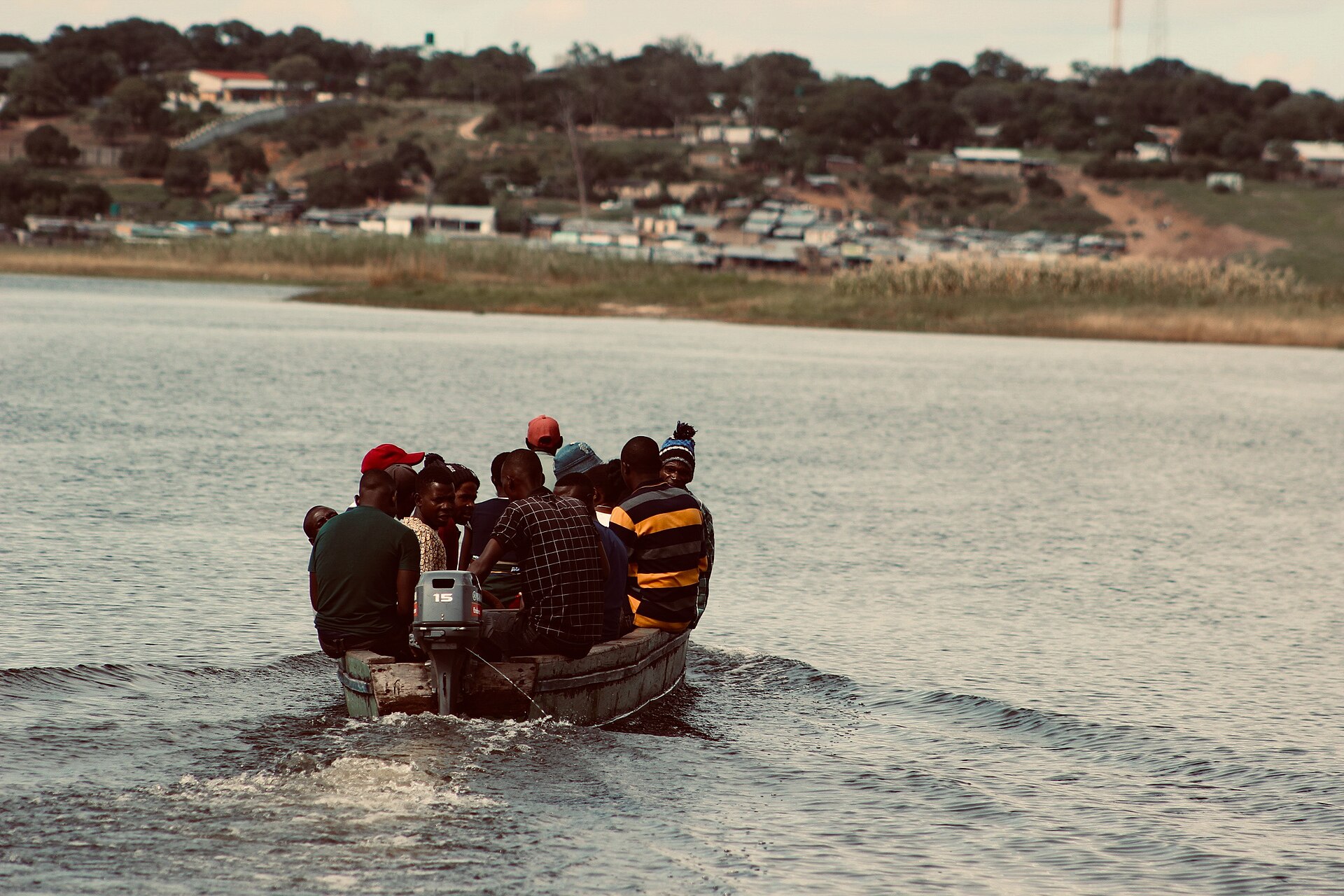
Redclaw crayfish are eating river plants and hurting catches on Zambia's Barotse floodplains. Communities are fighting back by catching and selling them.
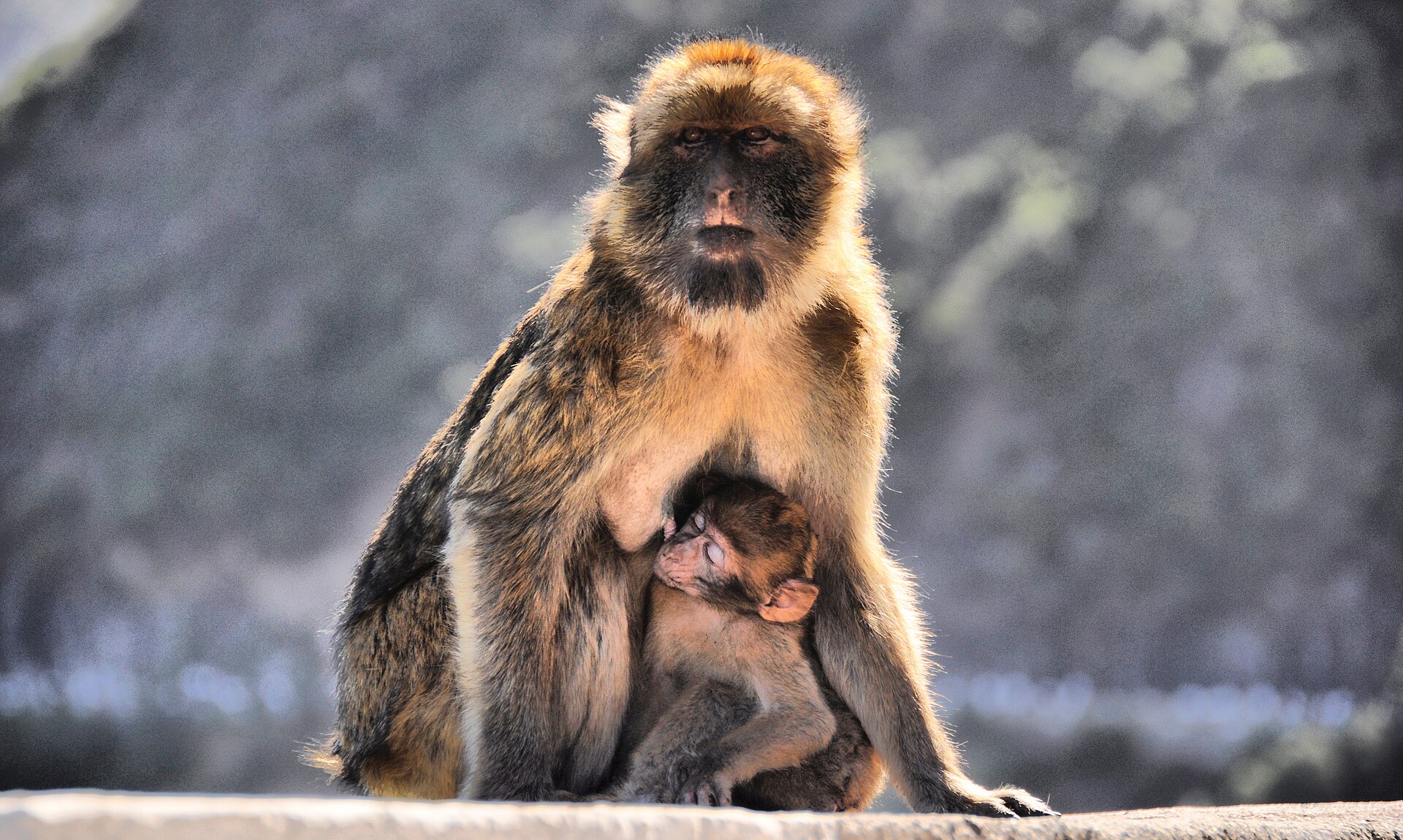
In Béjaïa, macaques raid figs and apples, and a third of farms surveyed have been abandoned. Researchers propose ways for people and monkeys to share the land.
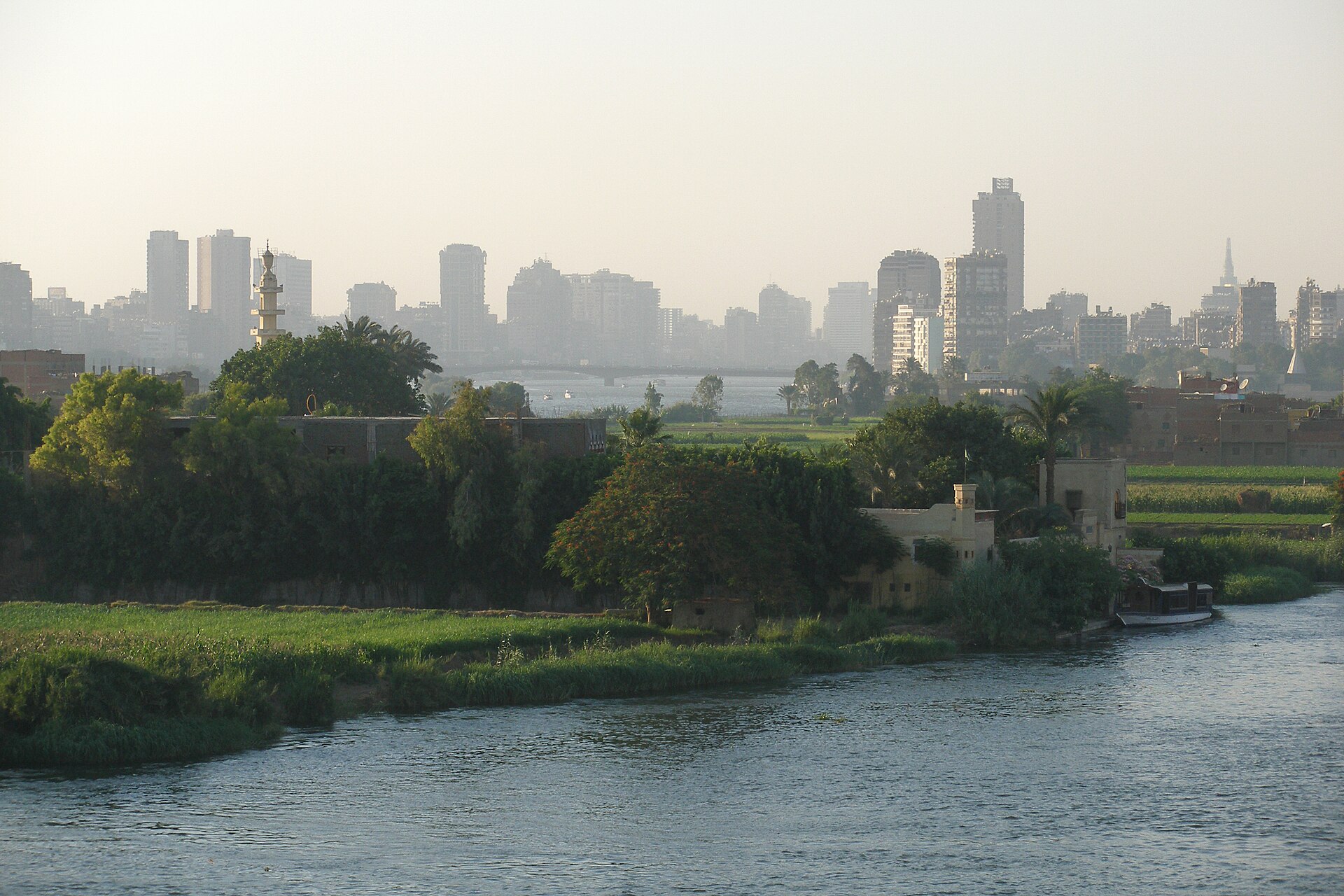
Treatment plants in Alexandria and Helwan will serve 3.6 million people, and Nile Delta schemes are cleaning drains and canals.
Rangelands feed most of East Africa's livestock. A Djibouti researcher says restoration has sometimes hurt herders, and sets out how to put them at the centre.
An ActionAid study in three counties found compost and natural pest control cut costs, and amaranth yields rose 45%.
Each gets $50,000 to help protect 30% of land and sea by 2030, from wetlands in Zambia to community-run reserves in Rwanda.
Grass growth in Kruger National Park rose 28% between 1989 and 2021. Researchers say it matters for grazing and fire, but won't offset climate change.
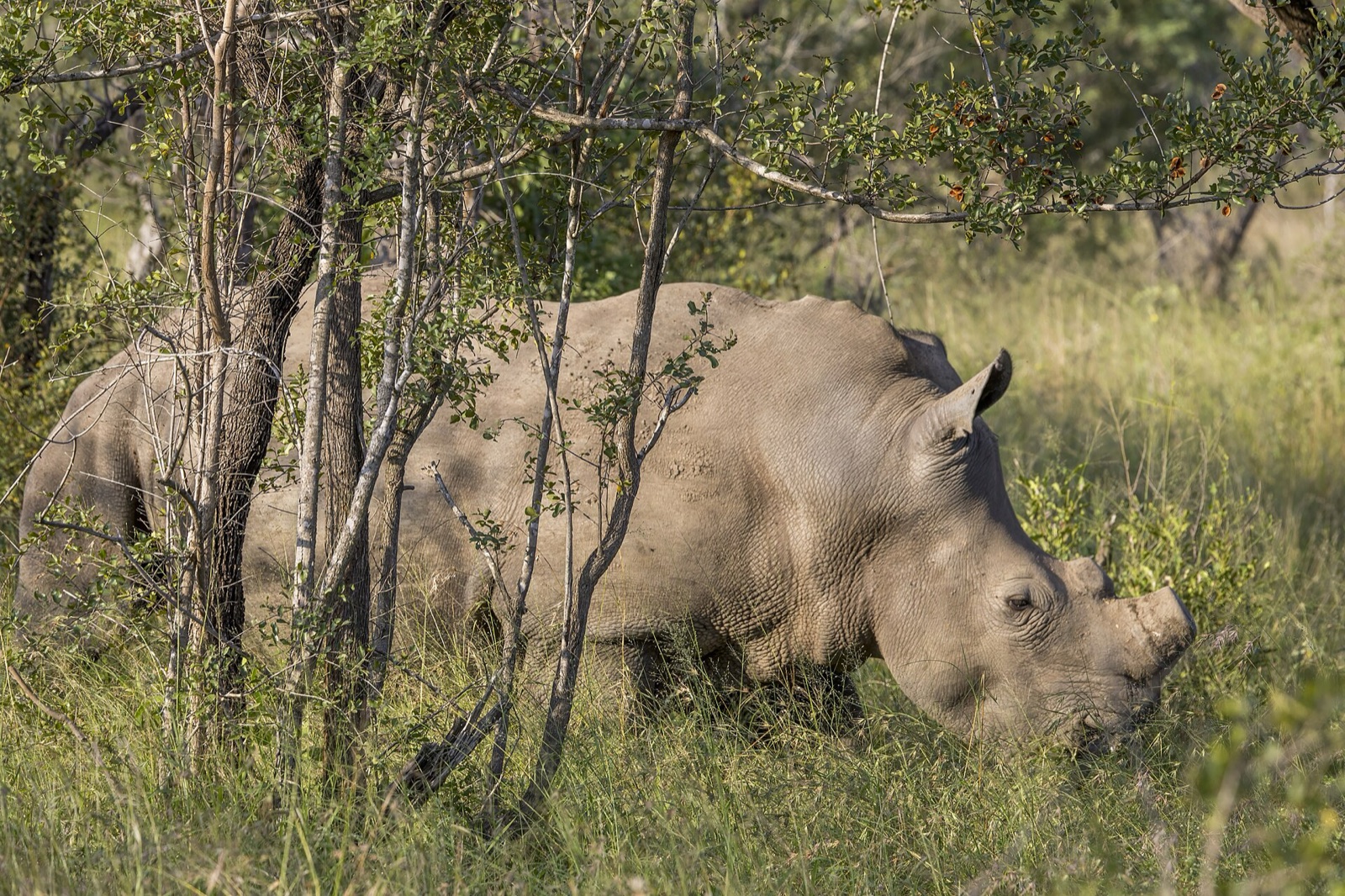
More than 600 white rhinos have been moved into protected areas across Africa. A conservation ecologist explains what makes translocations succeed.
The five-day course in Saint-Louis, Senegal, under the AfDB-funded REWARD project, aims to get better rice seed to farmers and close the yield gap.
The 185-million-cubic-metre reservoir near Gondar will irrigate 17,000 hectares and supply drinking water to the city and nearby towns.
Cleaner cooking, better transport and smarter waste handling cut both air pollution and emissions. Ghana's shift from charcoal to gas shows the gains are real.
South Africa's longest-running environmental awards want people, communities and businesses solving climate, water, energy and waste problems.
On South Africa's southern Cape coast, Ju/'hoansi trackers from Namibia confirmed the only fossil lion tracksites known in southern Africa, one about 70,000 years old.
The UN migration agency is working with Somali authorities on early warning, but has only 14% of the money it needs.
A Wits-led study finds the climate long-fingered bats need could shrink by up to 64%, and only about 2% of suitable caves sit where that climate will last.
Water Minister Pemmy Majodina will visit MCWAP-2A every quarter to keep the 140km Crocodile River pipeline to Lephalale on time and on budget.
A review of policies across the continent finds Africa's everyday circular economy is a strength, and says reliable waste collection matters more than high-tech plants.
Environmental DNA lets scientists count marine life without catching it. UNESCO's programme now covers 30 marine protected areas, with lessons for East Africa's fishing coasts.
New family units, a spa, a solar plant and a community lodge are part of SANParks' upgrade of one of South Africa's best-loved parks.
An independent relief agency, not the government, will choose who gets the money, the foreign minister says. The floods affected more than 38,000 people.
The provincial government's annual cycle tour handed bikes to 42 mostly rural schools and neighbourhood watches, and remembered a 16-year-old cyclist killed last month.
Bees for Development Ghana trained teachers in Techiman to build hives from bark and bamboo and pass the skills, and the business sense, on to their pupils.
About 40% of Africans still lack early warning systems. An AU workshop in Namibia looked at how to turn forecasts into timely action.
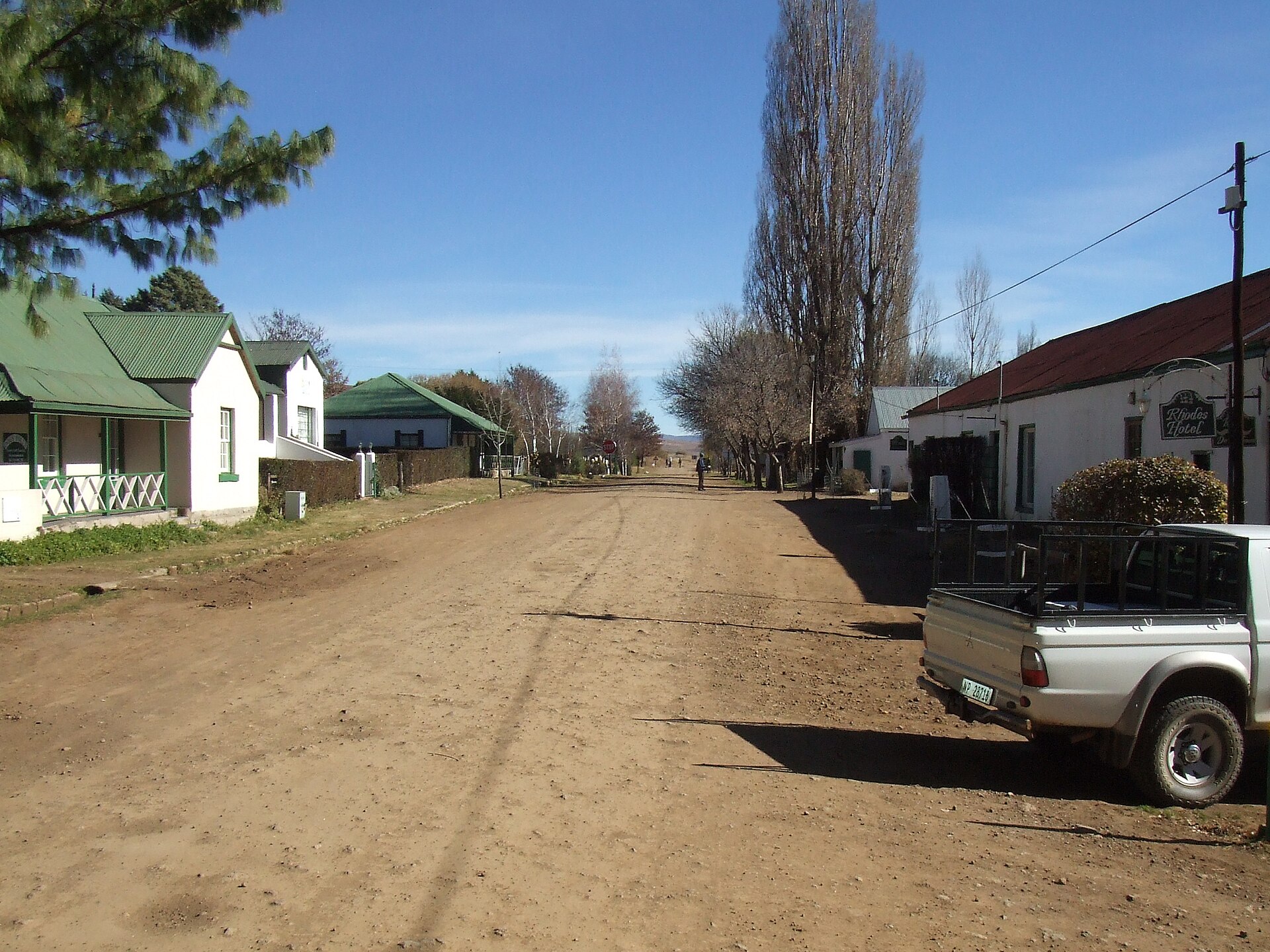
Grasslands National Park, declared over 10,226 hectares of the Eastern Cape Drakensberg, protects a vital water source through agreements with farmers rather than fences.
In Prince Albert, Leeu-Gamka and Klaarstroom, 106 households, three schools and two community projects got help to grow their own food.
Meeting in Lomé, the African Union's urban resilience programme agreed guidelines on water and housing and its next step: a report on how disaster-proof the continent's infrastructure is.
ECOWAS states agreed priorities on paid care work and women's place in the green economy, to feed into the African position for New York in March 2027.
The acute die-off appears to be over. A precautionary catch limit runs to 30 October, and a survey from early November will give the first independent count of the stock.
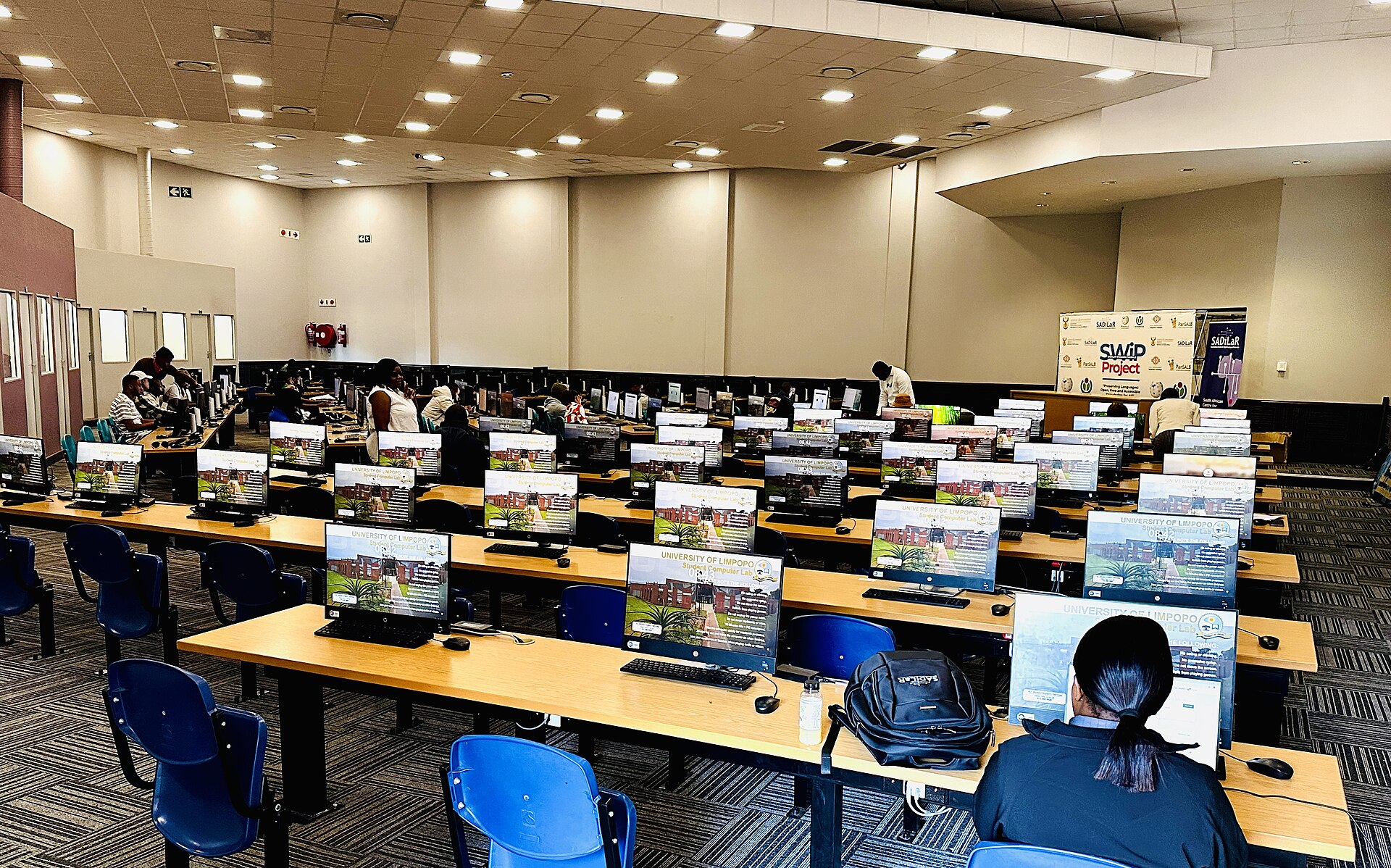
Nature Connect has placed 198 graduate interns since 2016. This year's 20 need working laptops for their research, logbooks and reports, and the charity is asking for donations.
At COP31 in Türkiye next month, Pretoria will push for a 2035 target and more funding for loss and damage, including a $20m plan to restore flood-hit Kruger.
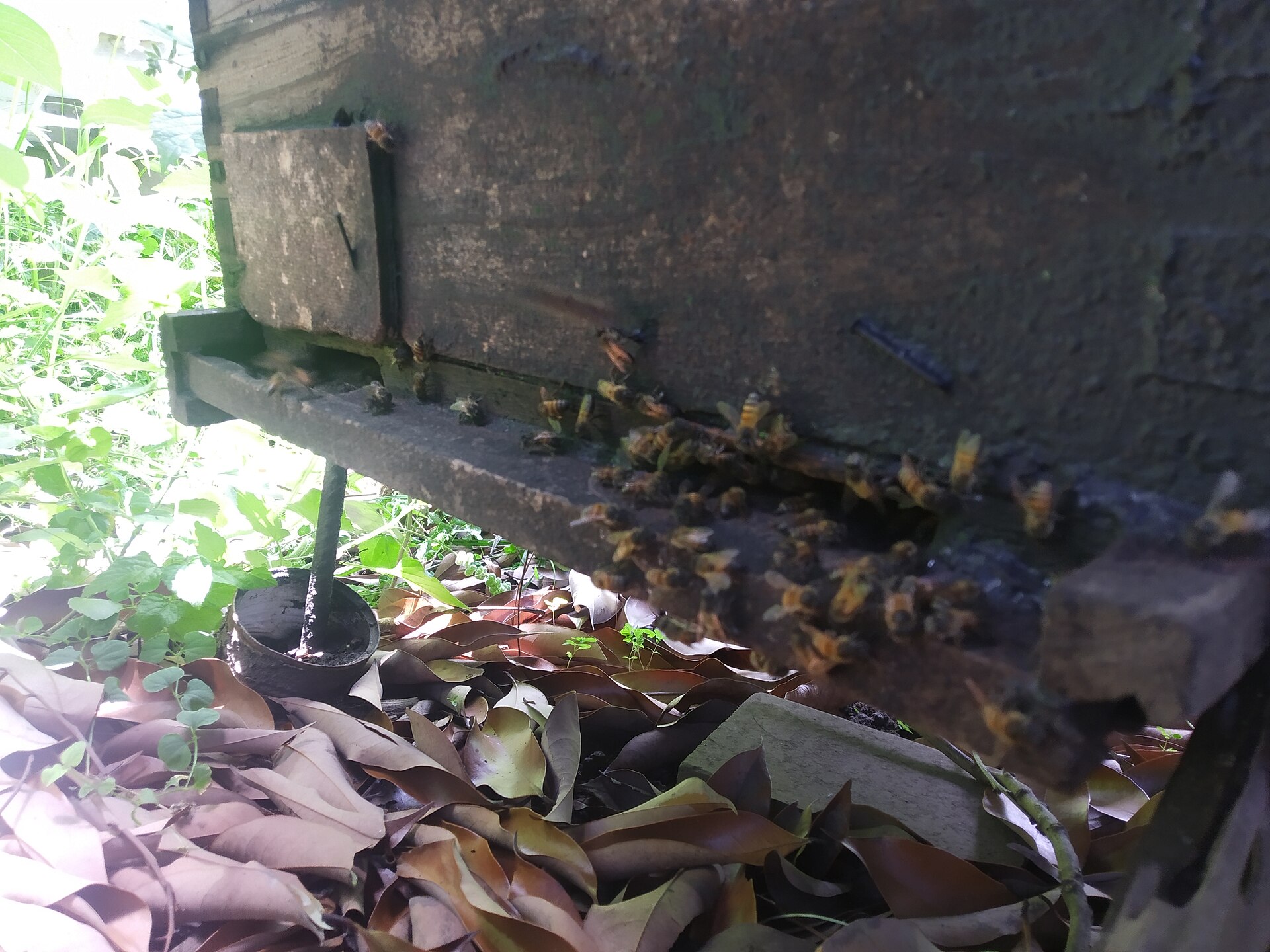
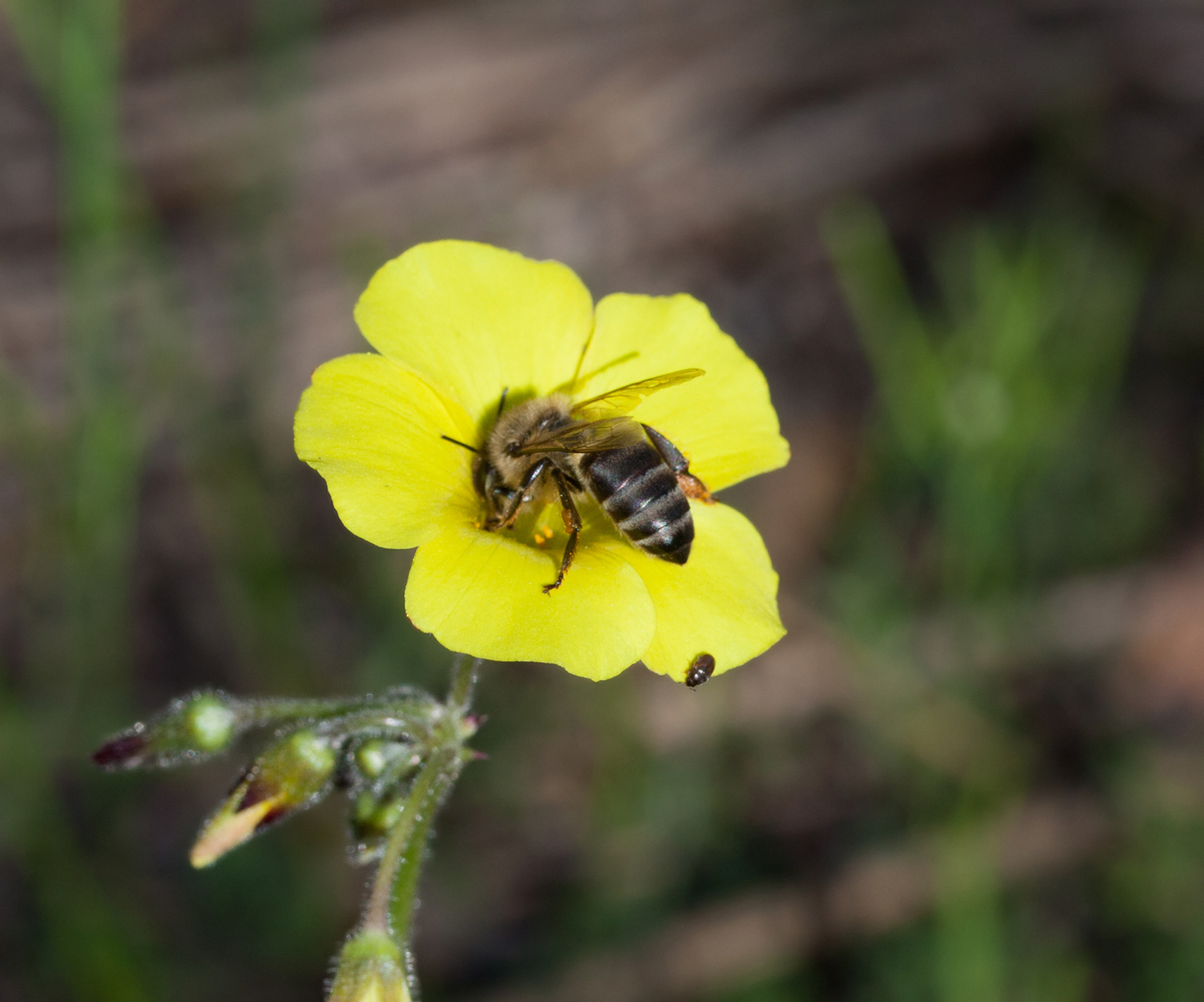
Since 2018 the Cape Honeybee Conservancy has relocated more than 250 colonies from homes and walls to farms, where they pollinate crops and native plants.
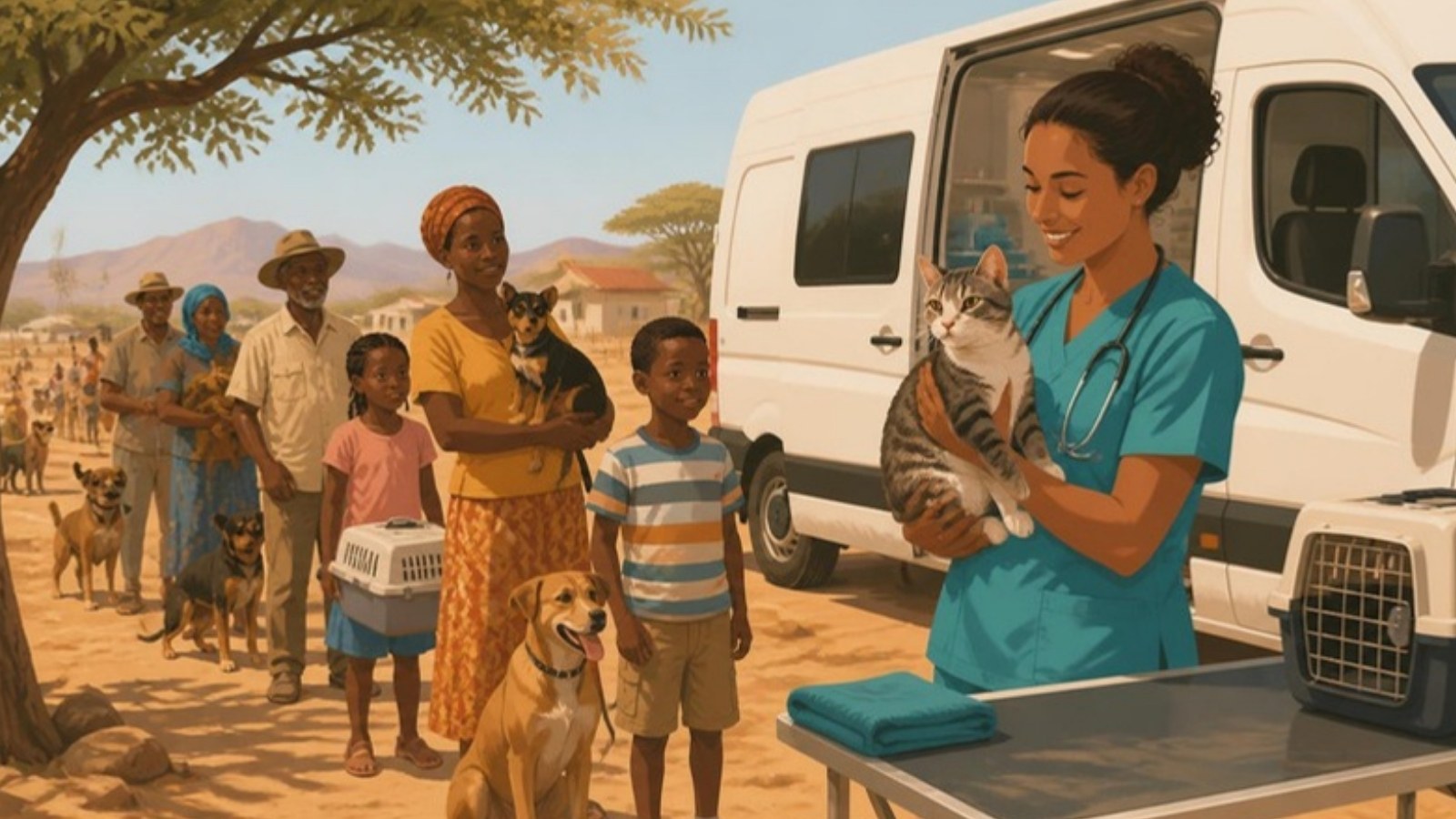
Have a Heart has no paid staff and works with local vets. In September alone it treated more than 800 feral cats, including 300 in Oshana.
Recyclers could get licences in 90 days, and producers' recycling bodies may have to put 40% of their fees into infrastructure. Fifty-six recycling firms have already had R200m of support.
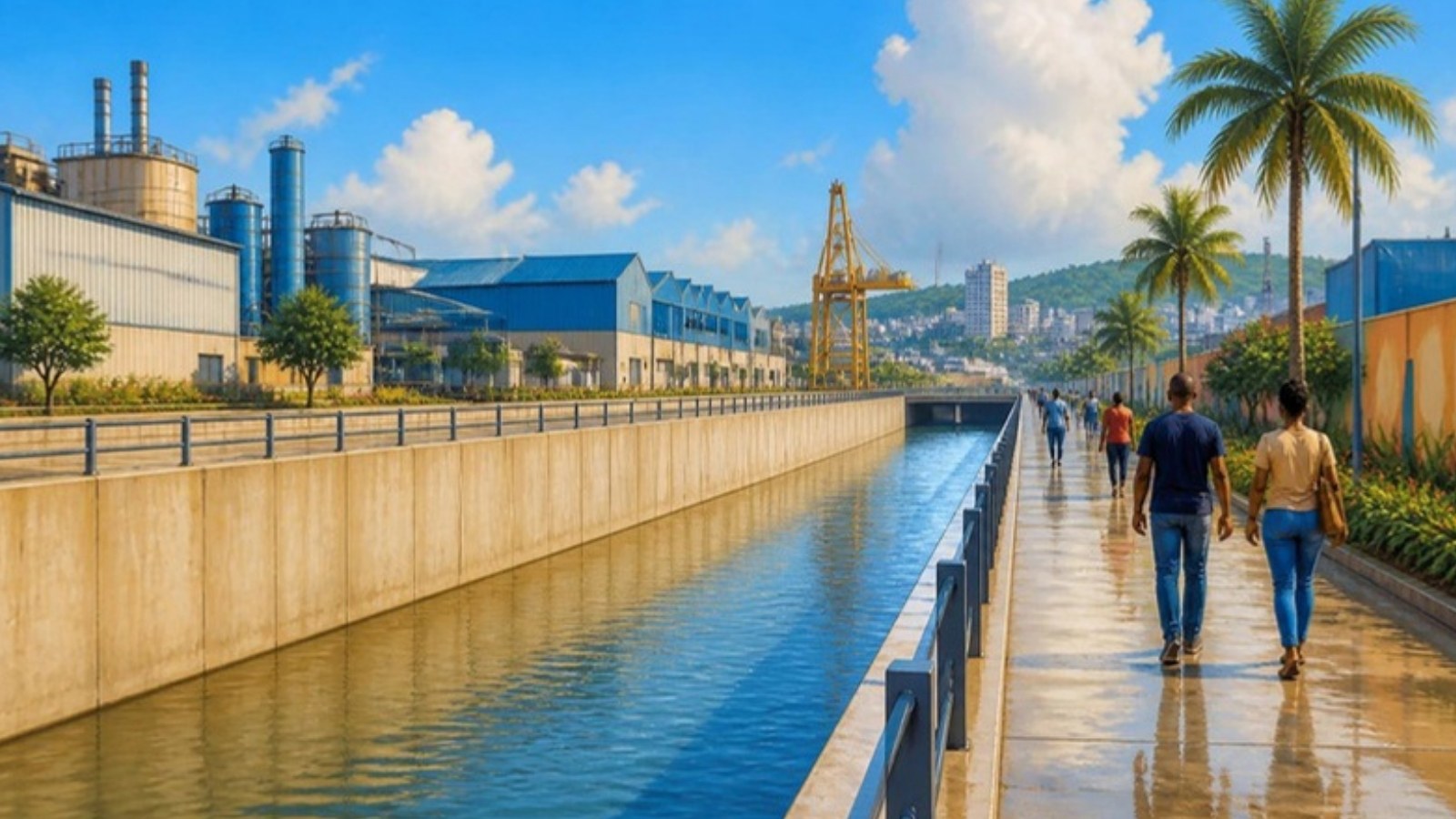
A rebuilt canal, a new sea outfall and a sports field that doubles as a flood basin are meant to protect Prospecton, one of the country's manufacturing hubs.
On International E-Waste Day, the government urged households to recycle small electronics. The country produces more than 360,000 tonnes of e-waste a year and recycles about a tenth.
The government says 7.1 million trees have gone into the ground since April, against a goal of one billion. The Western Cape has planted the most.
A worldwide survey finds every African region has improved its resilience score since 2023, more than any other part of the world. Warnings that reach people in time are the next task.
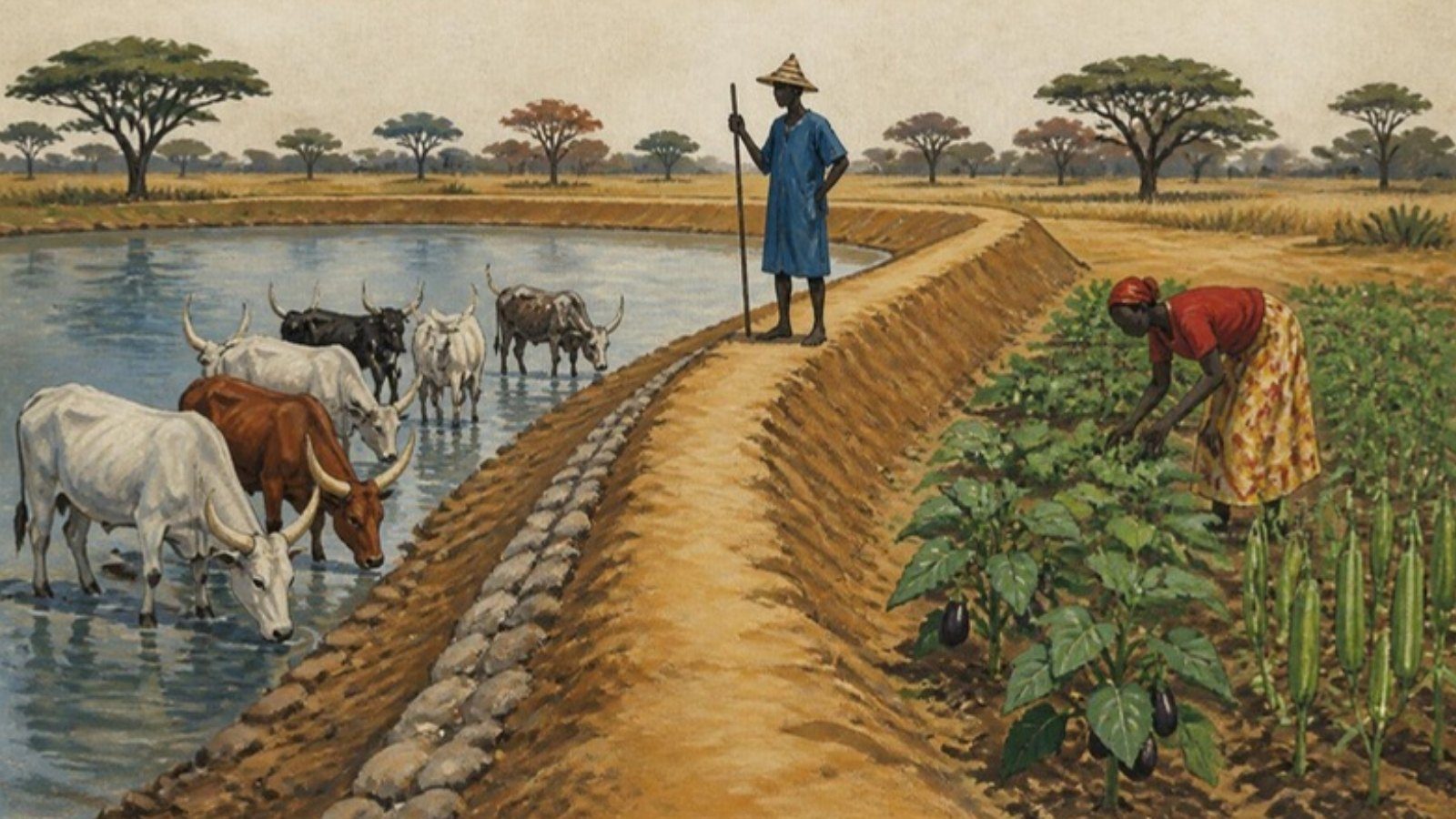
In Torla, in northern Côte d'Ivoire, a herder and his partner, a vegetable grower, used to compete for the same water. A rebuilt dam changed that.
Nearly half the country's ecosystem types are threatened. Its delegation heads to Armenia arguing that poor countries should not borrow to protect wildlife.
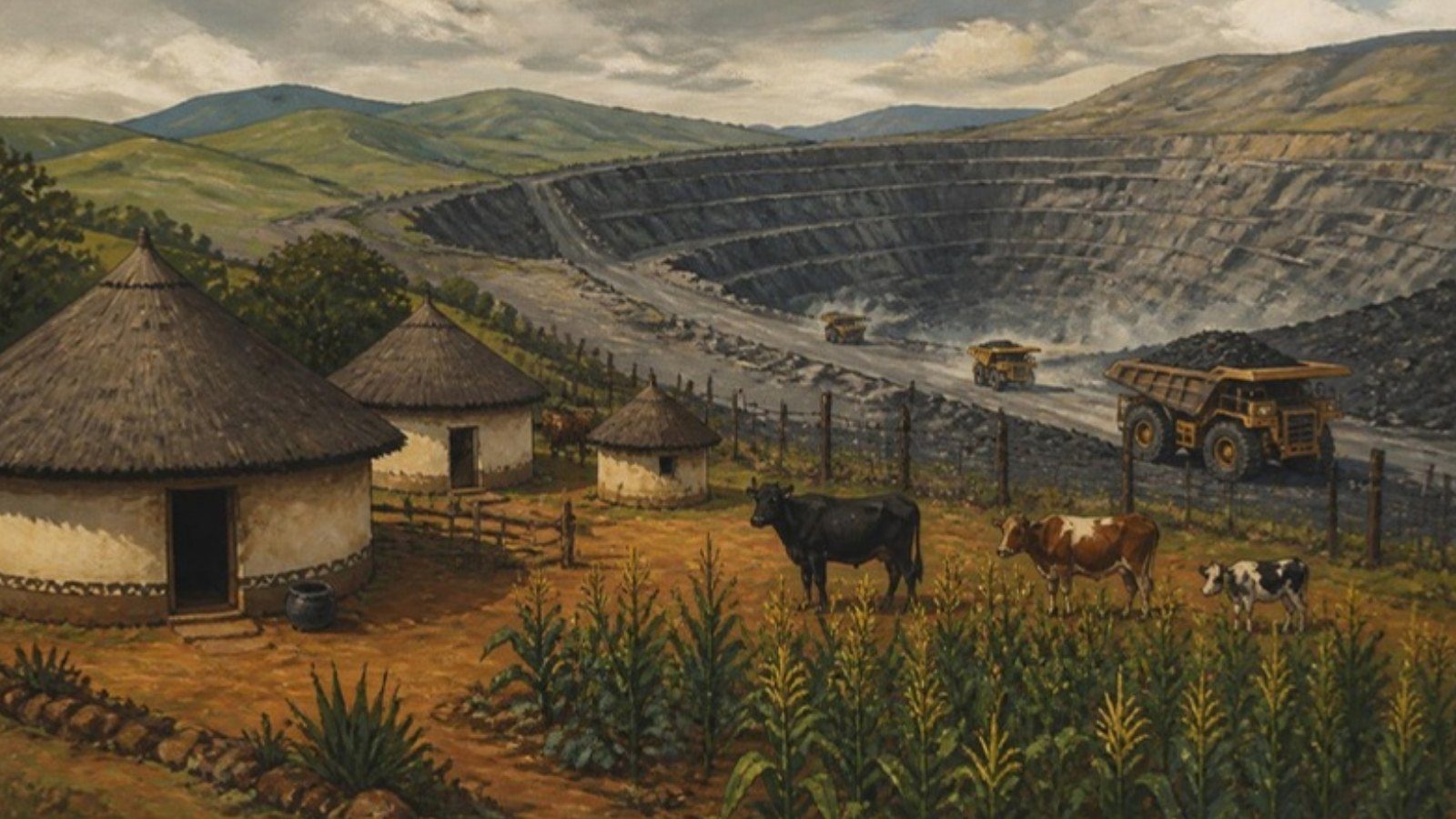
A study of 115 households near Somkhele, in KwaZulu-Natal, counts R80 million in lost land, crops and livestock against R3.6 million paid. The mine disputes the research.
Ministers meeting in Lomé adopted three regional plans: to protect donkeys by 2030, and to control foot-and-mouth disease and bird flu from 2027.
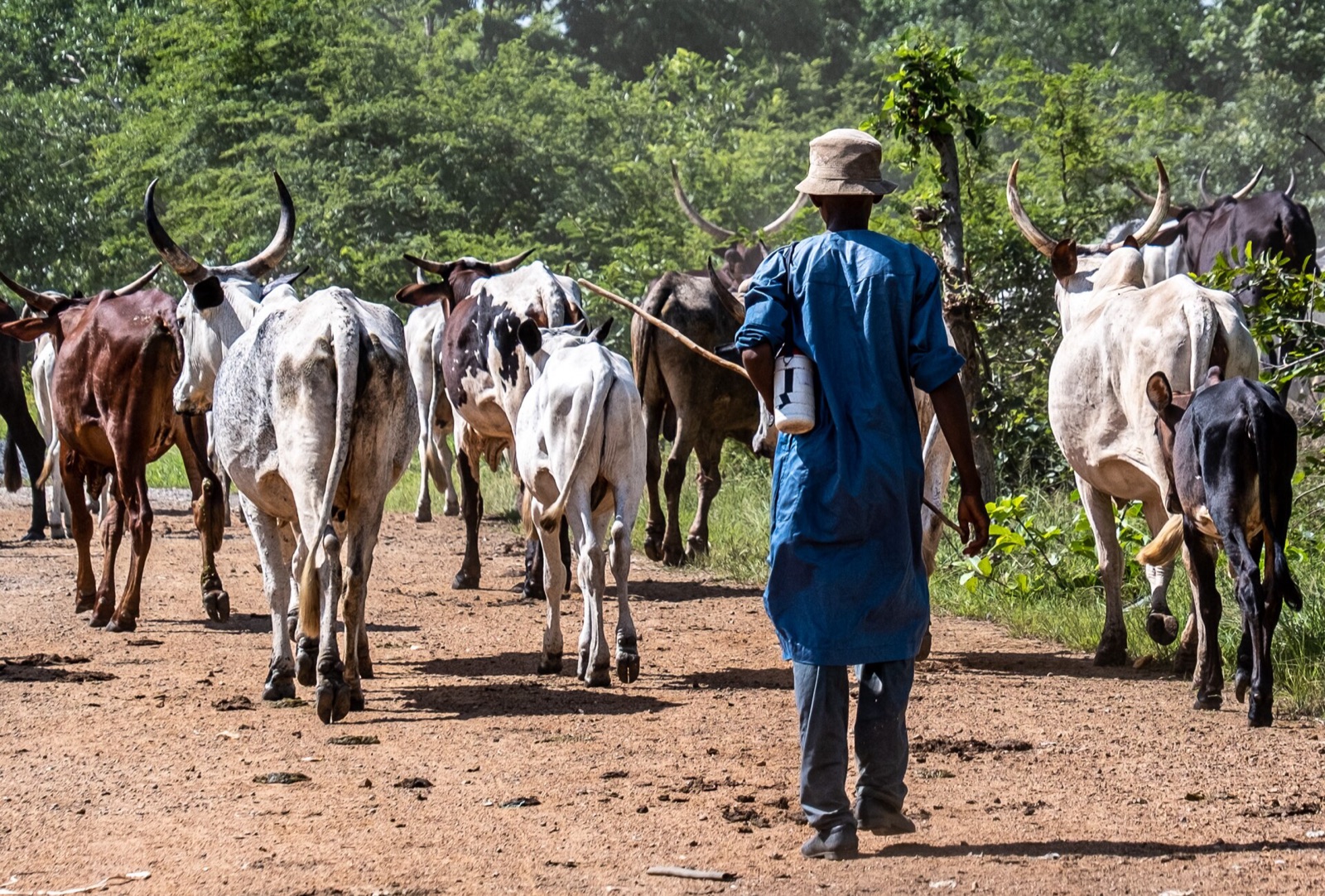
Vets from across the region have adopted a shared online system for reporting outbreaks of diseases that cross borders with the herds.
The bloc will ask for adaptation money to be tripled by 2035 and for countries to draw directly on the loss and damage fund.
The state emergency agency reports damage in seven local government areas after prolonged heavy rain and is telling riverside communities to move.
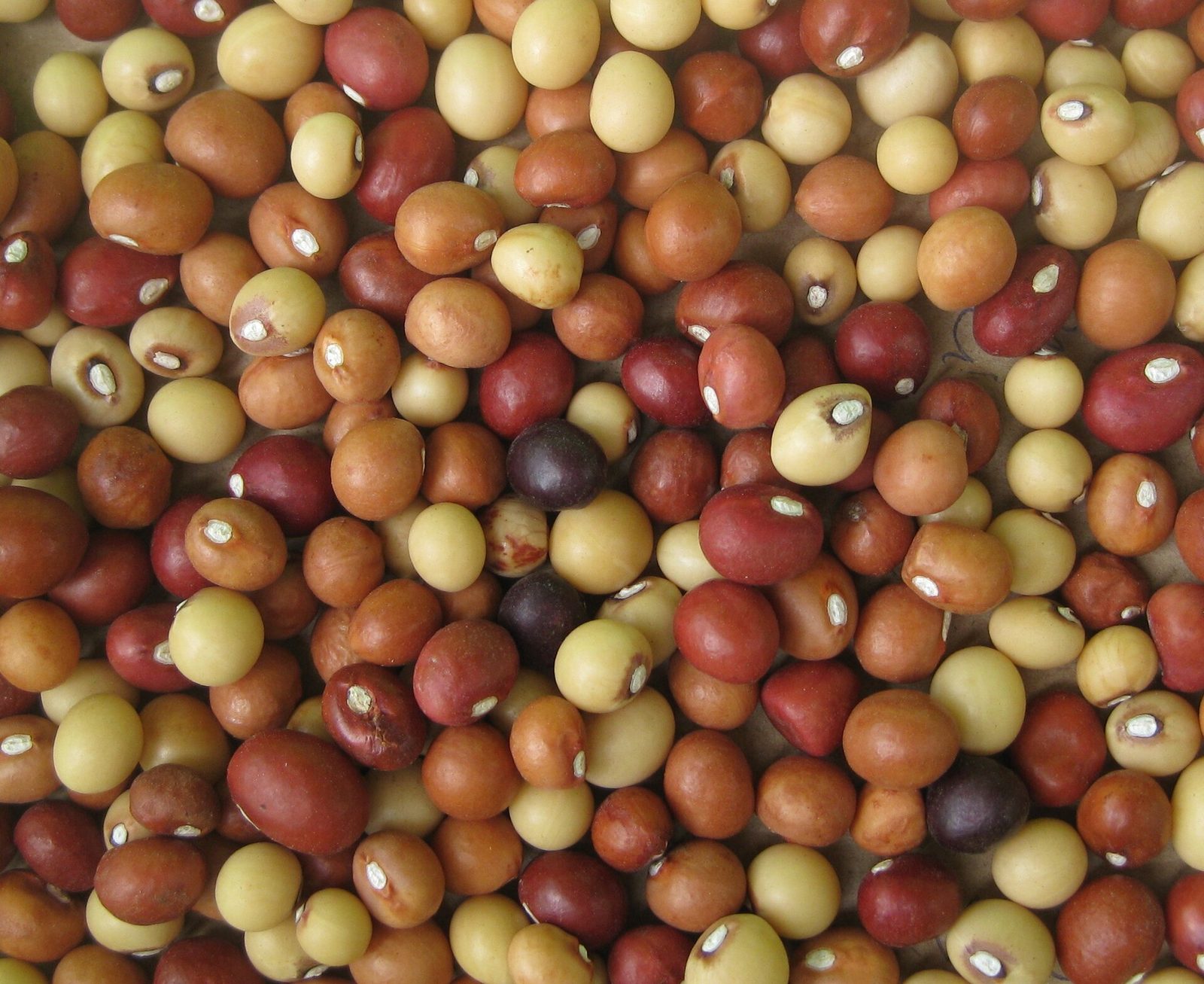
Researchers simulated 49 seasons across South Africa and Eswatini to find where bambara groundnut gives a reliable harvest. October planting came out best.
South Africa's Constitutional Court has upheld rules that make the wellbeing of wild animals part of how they are managed and used.
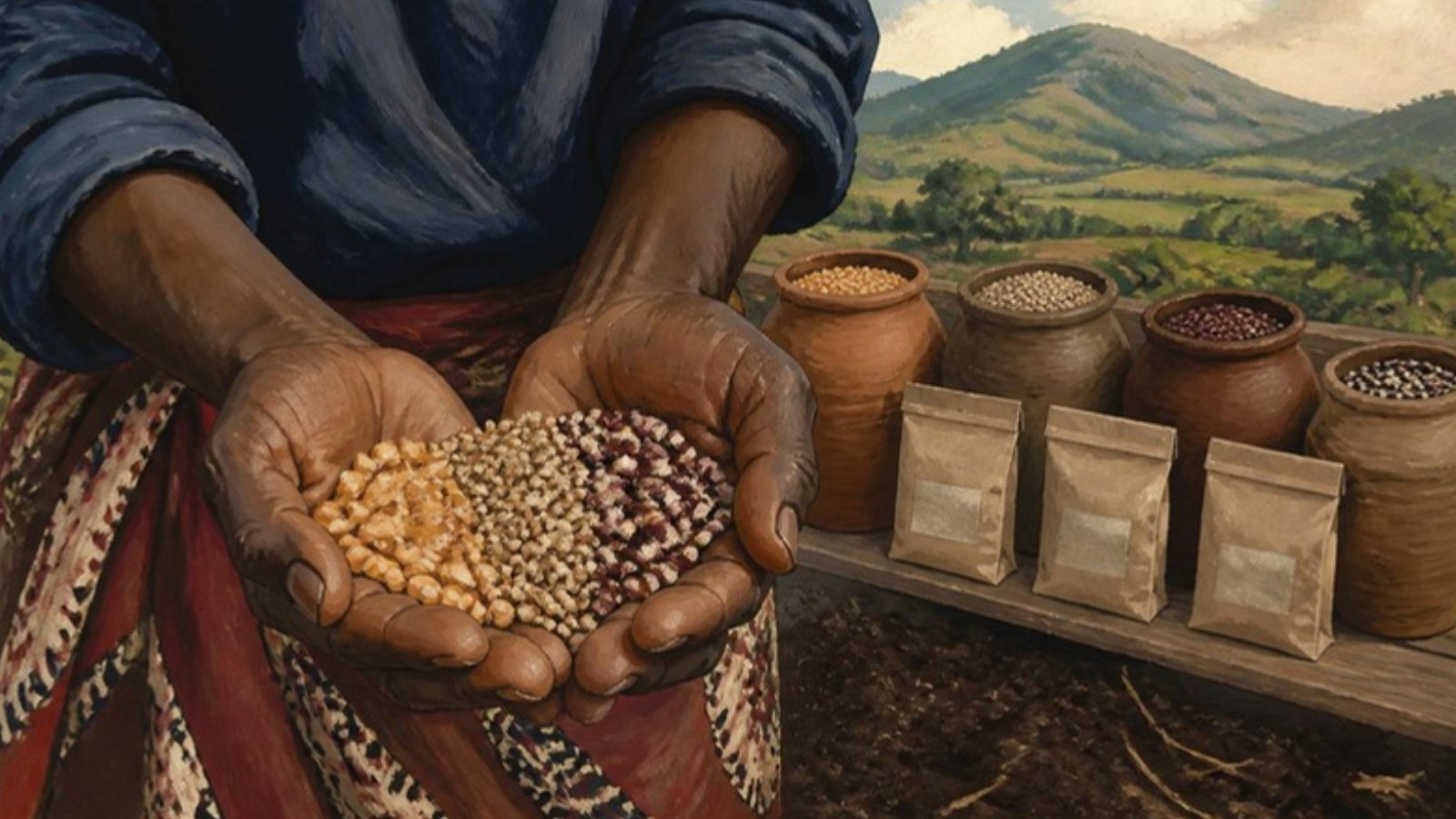
Governments meeting in Eswatini agreed to link national seed banks, breed climate-hardy varieties and make it easier to trade seed across borders.
Poachers now strip carcasses of anything that identifies them. In Entebbe, scientists use DNA to tell a court exactly which animal a piece of meat or tusk came from.
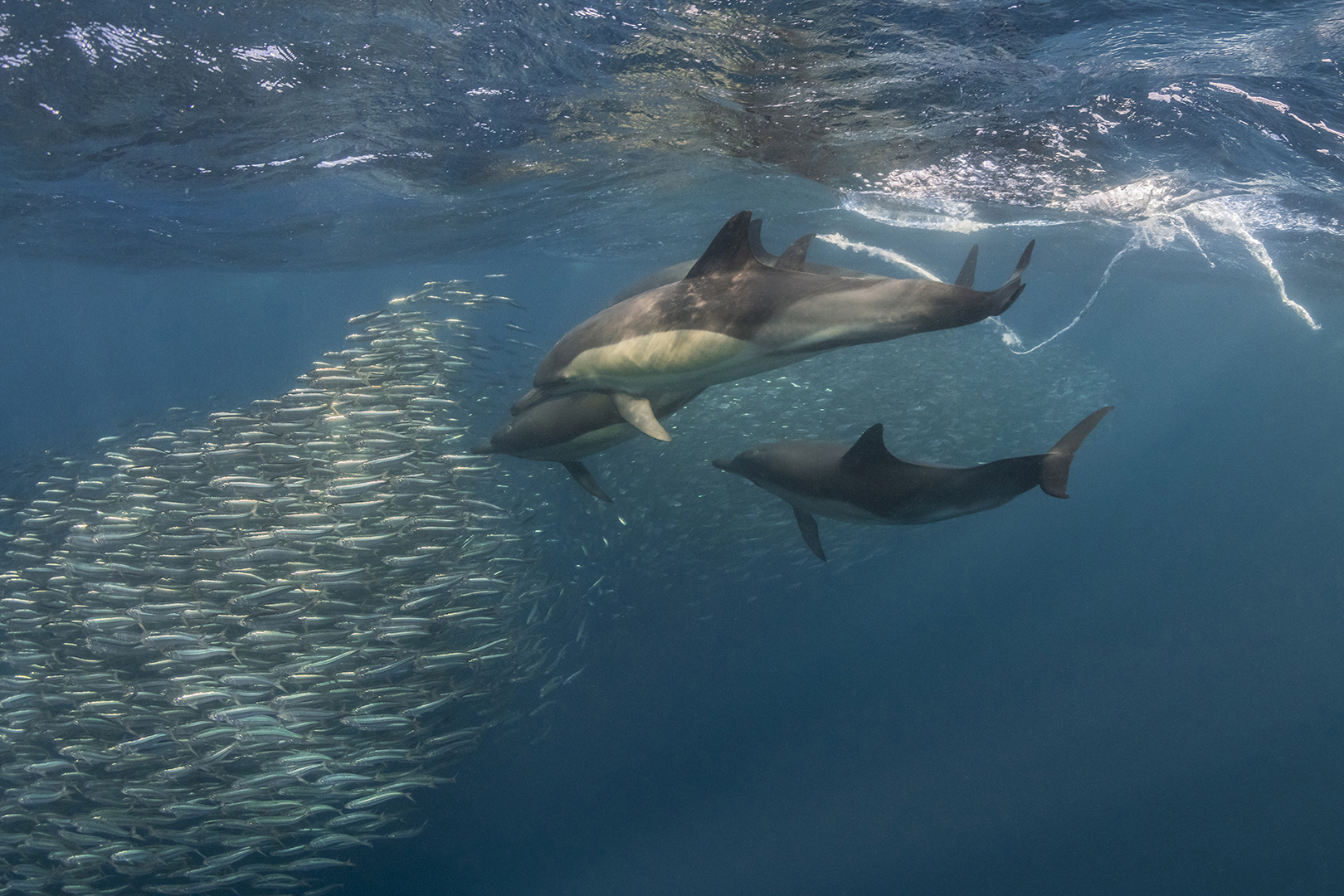
From South Africa's anchovy boats to fishmeal factories in Senegal, Gambia and Mauritania, an Outlaw Ocean Project report traces what farmed seafood costs the coasts that supply it.
Rodney Landela was once seen as a future leader of the park's rangers. A court has found that he and a state veterinary technician shot a white rhino in 2016.
The ACReSAL programme, which restores degraded land in the semi-arid north, counts 4.4 million direct beneficiaries. Supporters want additional financing to extend it.
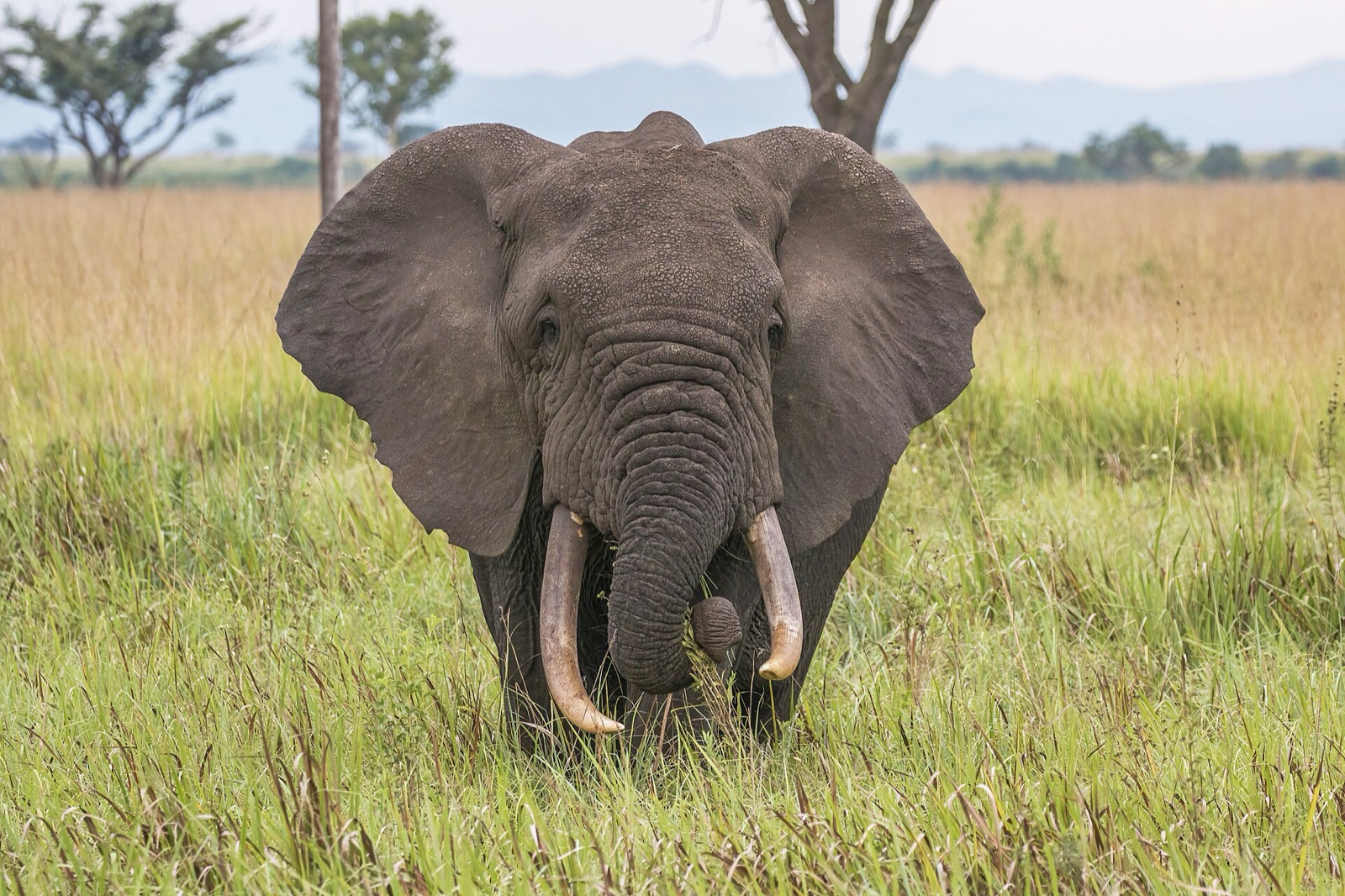
Forest elephants are down by more than 60%. The report says the world spends over thirty times more on activities that harm nature than on protecting it.
Under a sponsorship deal, clean electricity generated elsewhere will be delivered through South Africa's national grid. SANParks calls it a pilot that could extend to other parks.
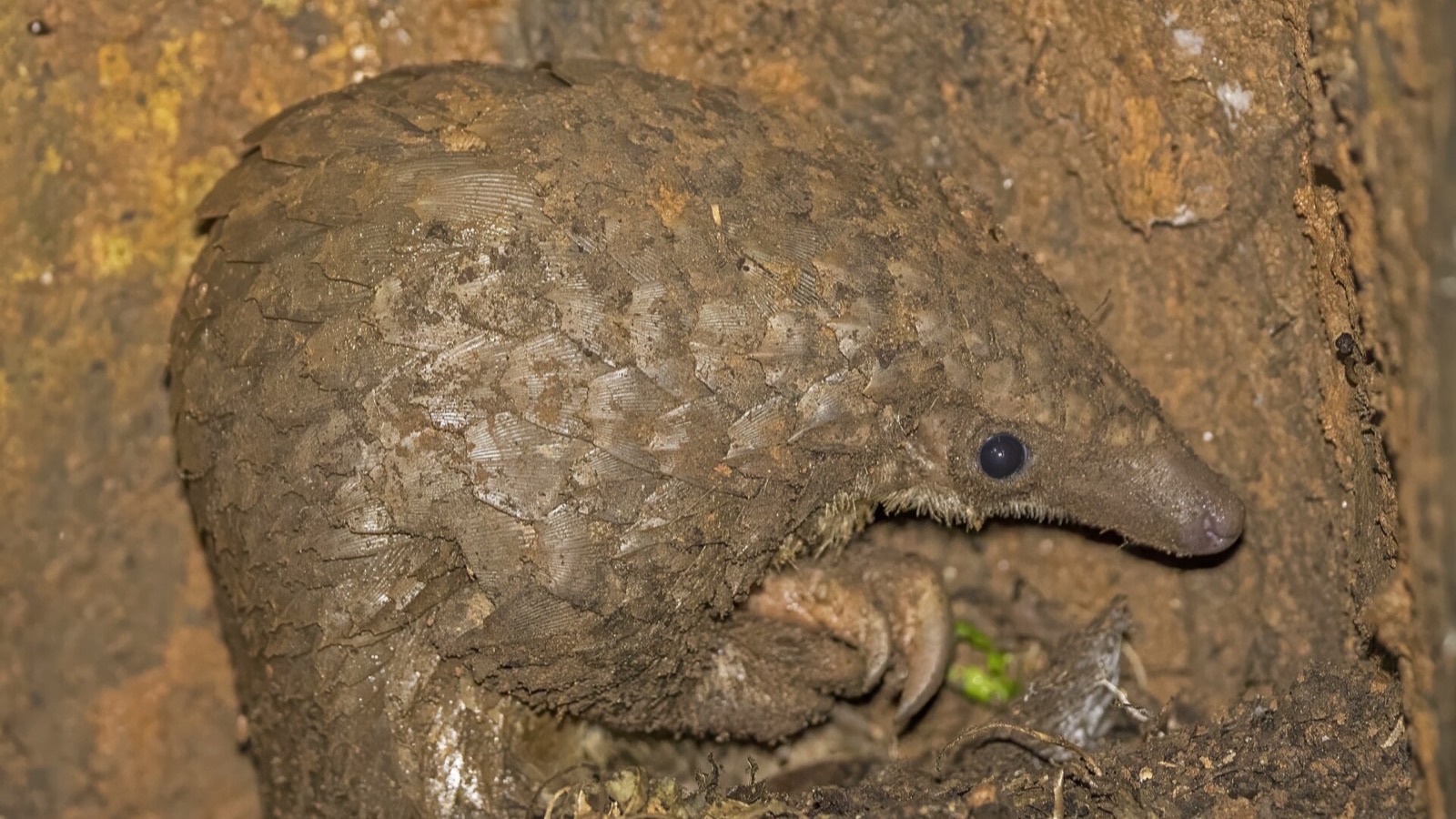
Officers found the animals caged and hidden in sacks at a waterside in Abeokuta. The suspects fled, and the pangolins have gone to a conservation group for release.
The World Meteorological Organization expects wetter conditions across the Greater Horn of Africa and says the event is almost certain to last until February.
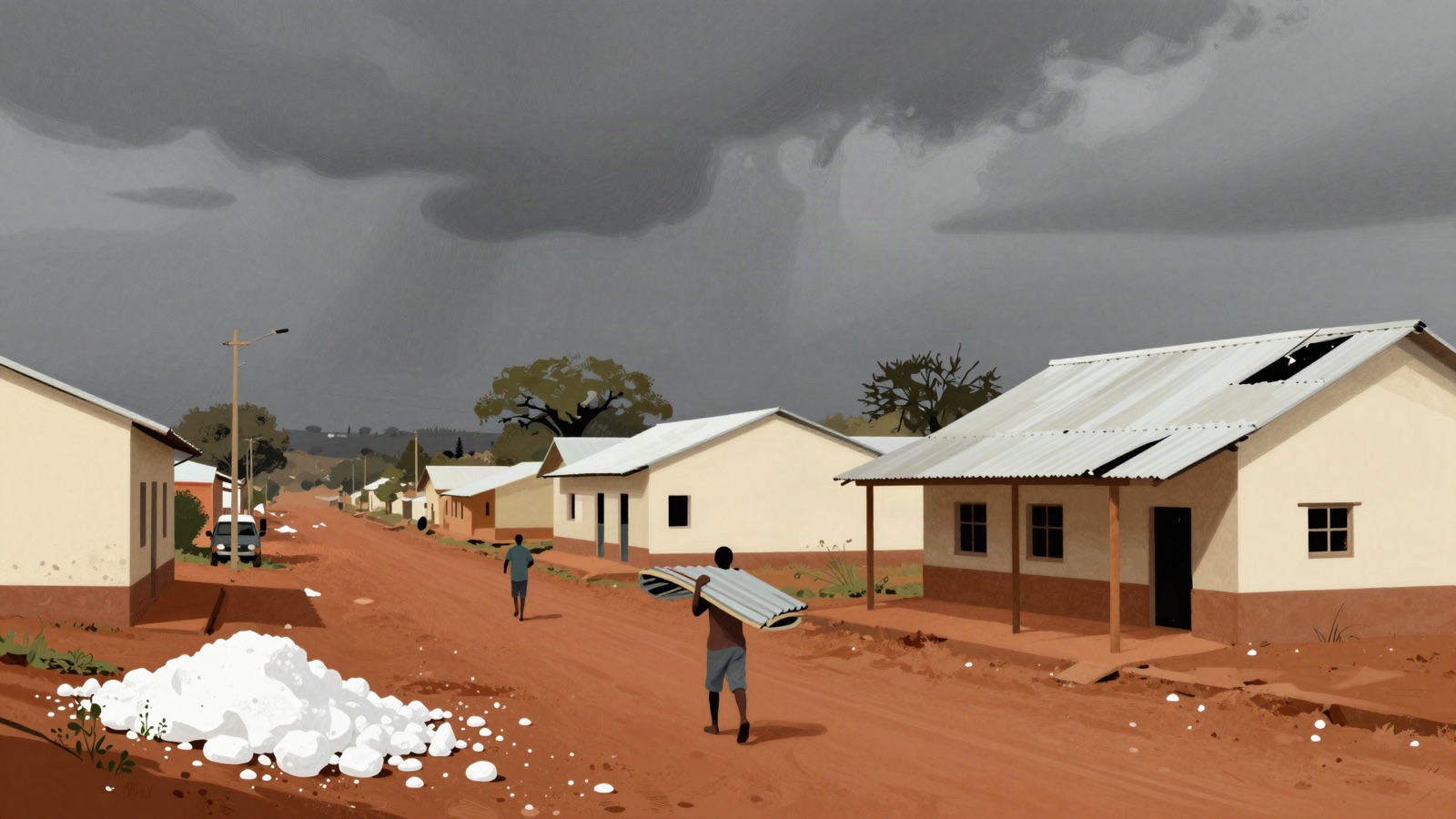
A university campus, a maternity ward, the airport and government offices were also damaged. Power cuts have knocked out water and sewage systems as the rains begin.
Farmers say the rains no longer arrive when they should. With parts of the south already hit by famine, aid agencies warn that drought could deepen hunger.
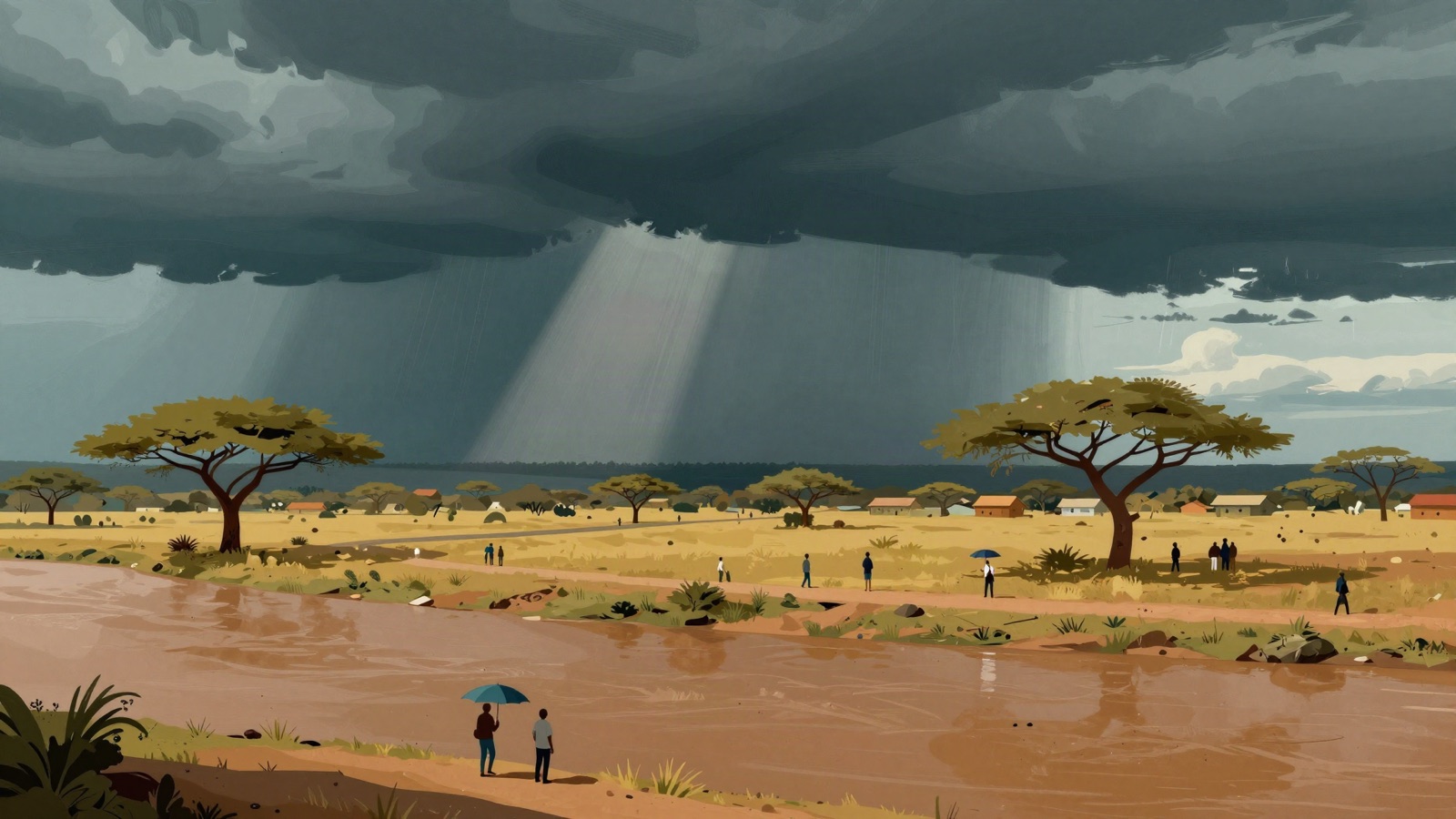
At least five people have died after four days of torrential rain. Schools will now open on 12 October, and more rain is forecast.
The Morning Brief
One email every weekday at sunrise: the stories that matter across Africa and the diaspora. See today’s Brief →
Follow on WhatsApp