Kilimanjaro: Africa's roof, and why its ice is vanishing
At 5,895 metres it is the world's highest free-standing mountain. Its glaciers, the largest in Africa, are shrinking fast.
Lire cet article en français →
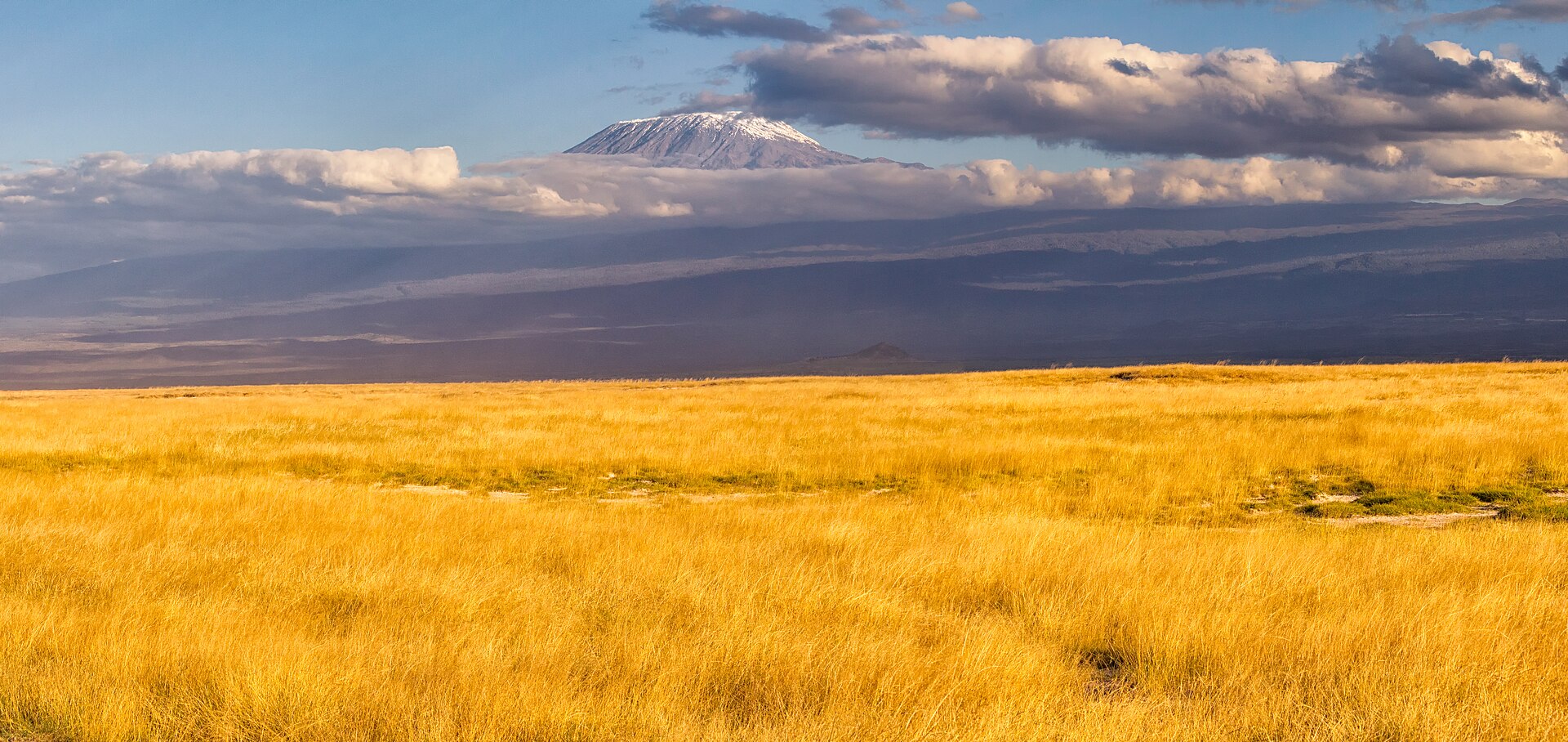
Moshi — Mount Kilimanjaro in northern Tanzania is the highest mountain in Africa and the highest free-standing mountain on Earth, rising to 5,895 metres above sea level and 4,900 metres above the plateau around it. It is also the highest volcano in the Eastern Hemisphere.
A sleeping volcano
Kilimanjaro is a dormant volcano, formed more than two million years ago by activity along the East African Rift. Its slopes rise through montane and cloud forests and are home to plants and animals found nowhere else, such as the giant groundsel Dendrosenecio kilimanjari.
People of the mountain
Its southern and eastern slopes were home to the Chagga kingdoms until 1963. No one knows for certain where the name comes from; suggested meanings include "mountain of greatness". The German missionary Johannes Rebmann was the first European to report it, in 1848, and Hans Meyer reached the summit in 1889.
A climb for everyone, with care
Kilimanjaro became a national park in 1973. As one of the Seven Summits, it draws climbers from around the world along seven established routes to Uhuru Peak, its highest point. It is not technically difficult, but its height brings a real risk of altitude sickness.
Melting snows
The mountain carries the largest glaciers in Africa, among them the Credner, Furtwängler and Rebmann glaciers. But its ice cap is shrinking fast: more than 80% was lost during the 20th century, and it is projected to disappear entirely by the middle of this century.
Background: Wikipedia.