Miriam Makeba: Mama Africa, the voice they could not silence
Barred from going home by apartheid, she took South African music to the world and testified against the regime at the UN.
Lire cet article en français →
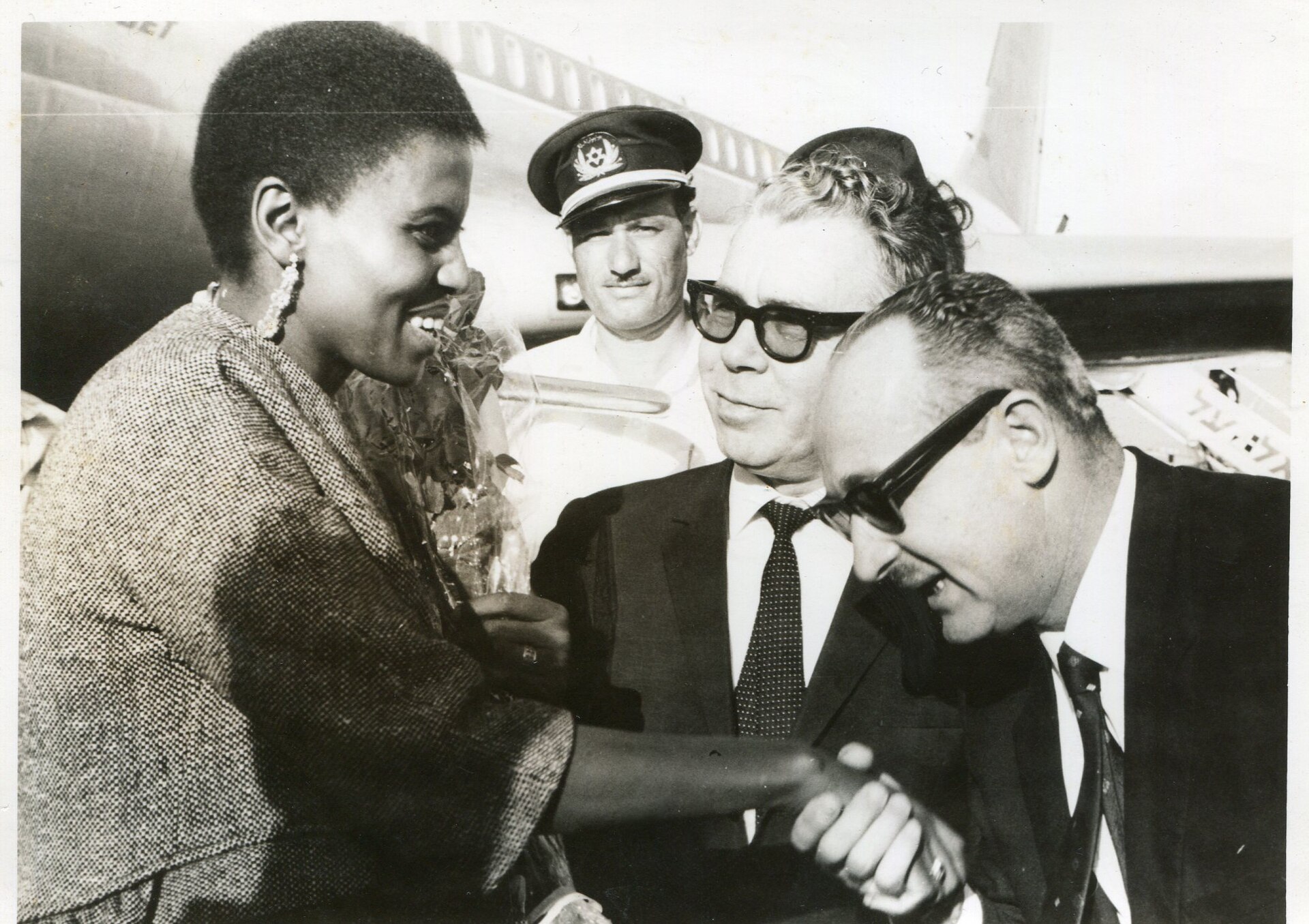
Johannesburg — Zenzile Miriam Makeba, born in Johannesburg on 4 March 1932 to Swazi and Xhosa parents, became one of Africa's best-loved voices, and one of apartheid's most powerful opponents. The world knew her as Mama Africa.
From Johannesburg to New York
Her father died when she was young and she had to work as a child. Her singing talent was noticed early, and in the 1950s she performed with the Cuban Brothers, the Manhattan Brothers and an all-woman group, the Skylarks, mixing jazz, traditional African melodies and Western pop.
A role in the 1959 anti-apartheid film Come Back, Africa brought her to international attention and to stages in Venice, London and New York. In London she met Harry Belafonte, who became her mentor and colleague. In 1960 she recorded her first solo album in New York. That same year South Africa's government stopped her from returning home for her mother's funeral.
Pata Pata and a Grammy
Her career flourished in the United States. Her best-known song, Pata Pata, came out in 1967, and she and Belafonte won a Grammy for Best Folk Recording for their 1965 album An Evening with Belafonte/Makeba.
A voice against apartheid
She testified against the South African government at the United Nations and joined the US civil rights movement. After her marriage to activist Stokely Carmichael in 1968, she lost support in America and moved to Guinea, where she kept performing across Africa, including at several independence celebrations, and wrote songs openly critical of apartheid, such as Soweto Blues.
She died on 9 November 2008.
Background: Wikipedia.