South African scientists close in on a natural enemy for invasive brambles
Thorny thickets choke grasslands and plantations. Untangling which brambles are which has opened the door to biocontrol.
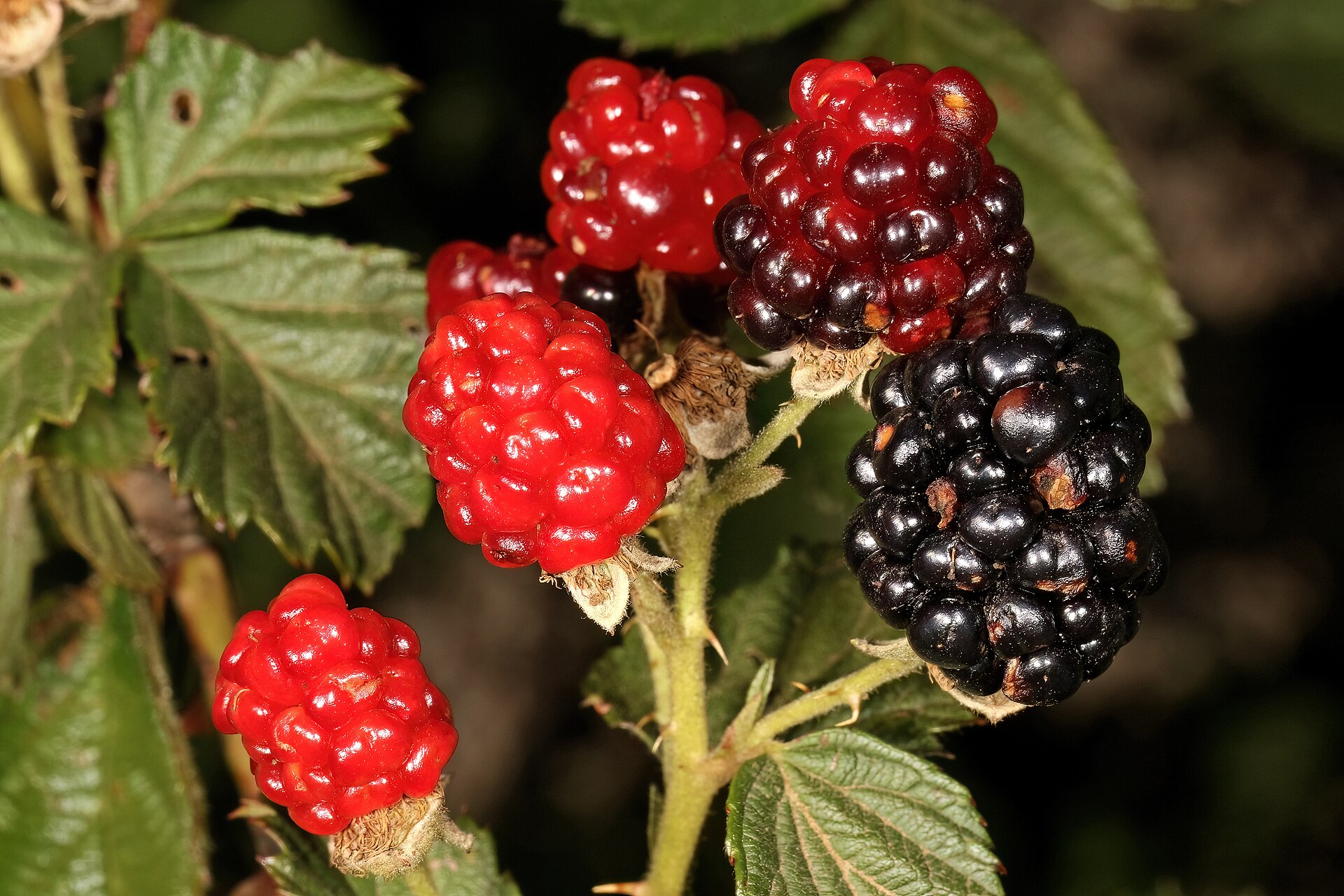
Makhanda — Invasive brambles, plants of the genus Rubus brought from North America and Europe, have been spreading across South Africa since the early 1900s. Known as braam in Afrikaans, ijingijolo in isiZulu and monoko-metsi in Sesotho, they form dense thorny thickets in grasslands, pastures and timber plantations.
They block livestock and wildlife, restrict access to water, smother young trees and crowd out native plants and the butterflies that depend on them. Spraying and cutting have not worked: the infestations are too large, the land too rugged, and the plants regrow from roots or from seeds spread by birds.
Biocontrol: a tested natural enemy
A researcher writing in The Conversation explains that biological control introduces a specialised natural enemy from the plant's original home to slow its growth or spread. Before release, it is tested in quarantine to make sure it attacks only the target weed.
First, know your weed
That depends on knowing exactly which plant you are dealing with. Work by the Agricultural Research Council, the Centre for Biological Control at Rhodes University, Czech bramble expert Michal Sochor and John Manning of the South African National Biodiversity Institute found 18 pure species and 12 hybrid lines of Rubus in South Africa. The main invader, long treated as one species, is in fact three forms.
A survey of 91 sites found the upright form dominated 42 of 69 grassland sites, especially in KwaZulu-Natal, as a single, genetically uniform clone. The team concludes that biological control of the main invaders is feasible, while South Africa's native brambles are protected.
Source: The Conversation, 27 October 2026.