Business
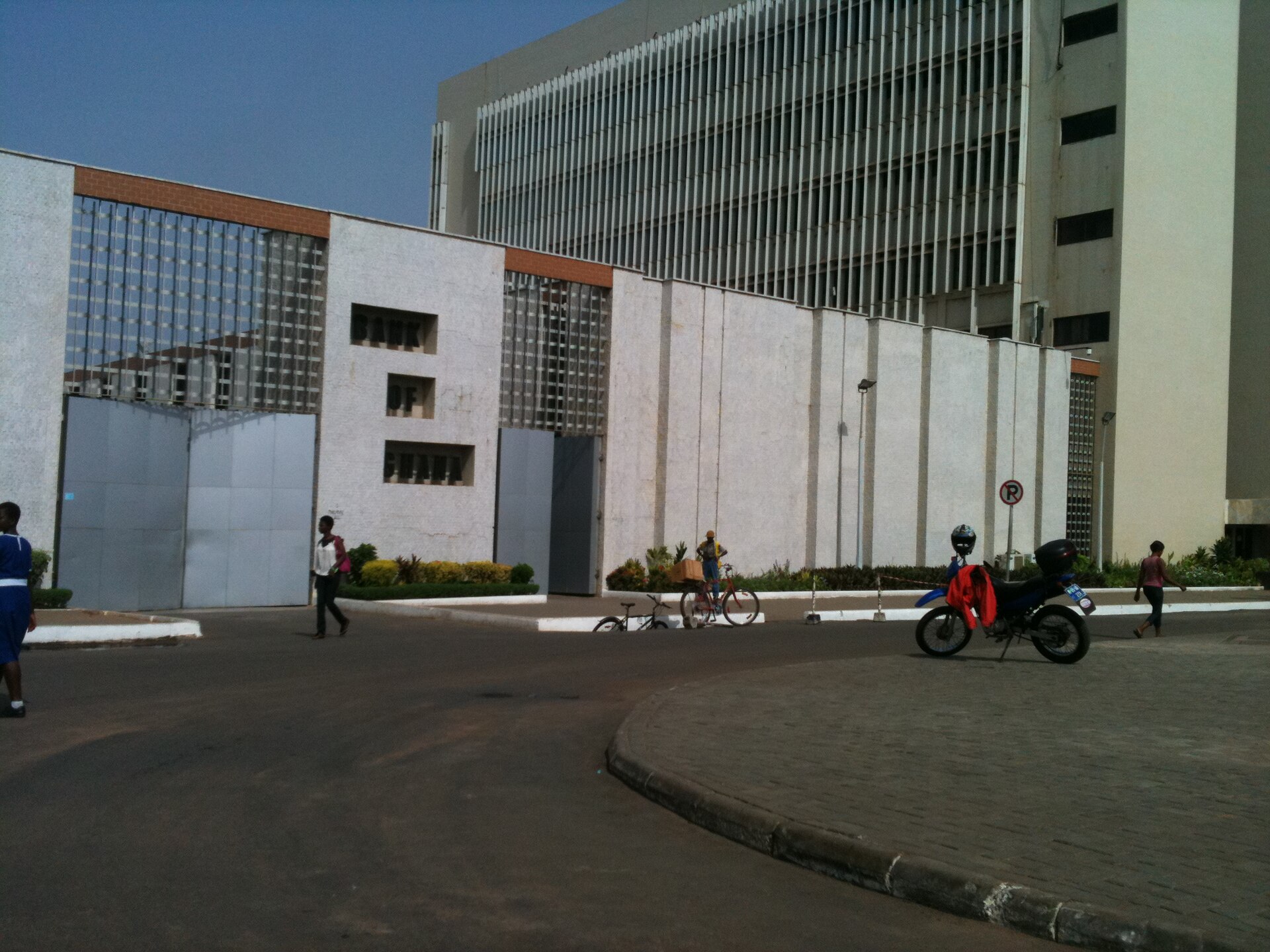
What Rwanda's new central bank law changes
Senate approval for the governor, new crisis powers and tighter limits on lending to the state, the latest step on a road that began in 1964.
Explainers
The big ideas behind the news, made clear: how African trade, money, courts and institutions work, and what they mean for you.
Senate approval for the governor, new crisis powers and tighter limits on lending to the state, the latest step on a road that began in 1964.
The Pan-African Payment and Settlement System lets a trader in Accra pay a supplier in Nairobi in cedis while the supplier receives shillings. Here is how it works.
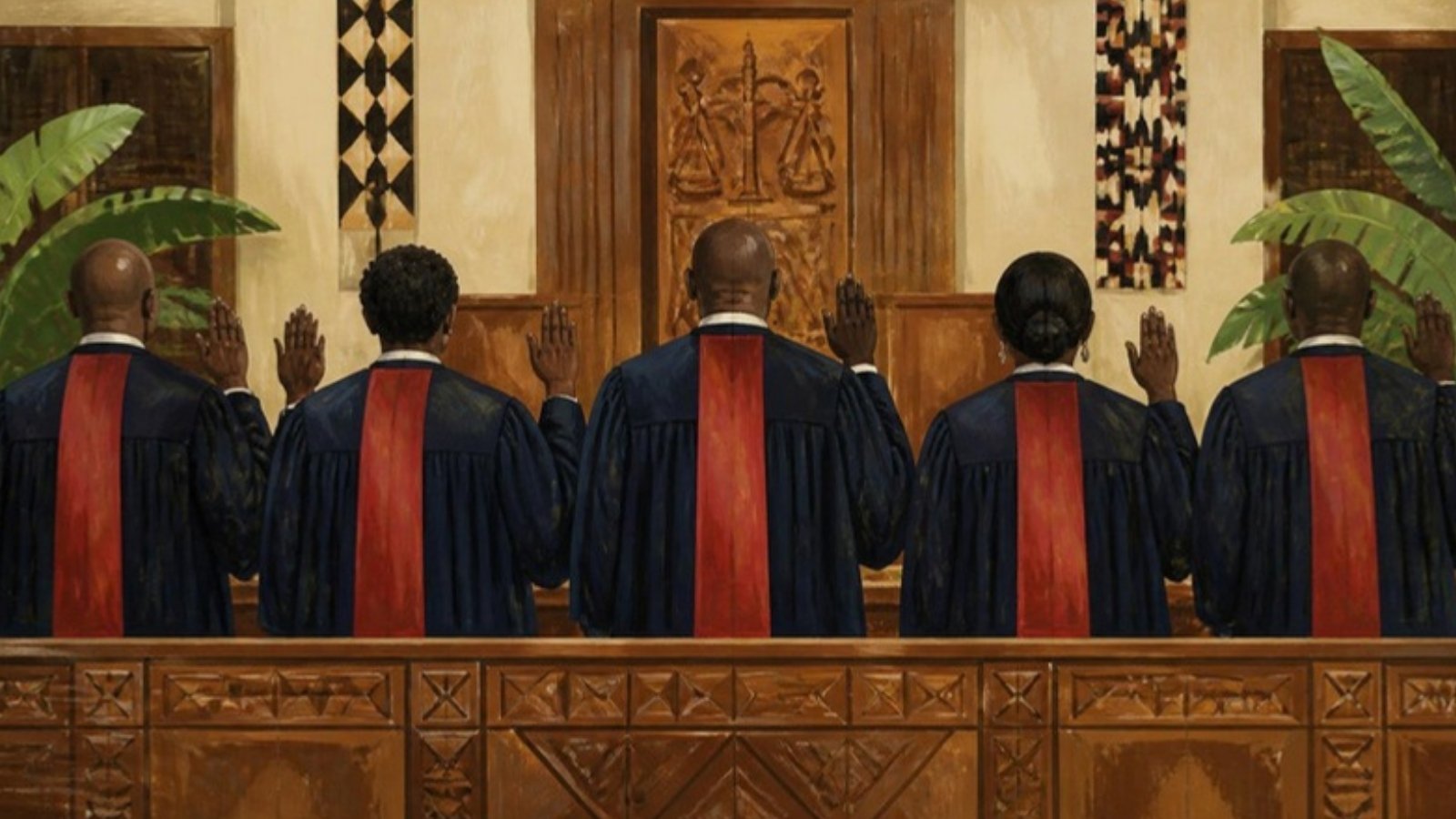
The ECOWAS Court lets individuals bring cases directly, and has ordered states to change policy. A KNUST lawyer explains what works and what needs fixing.
Africa has about $4 trillion in domestic capital and fewer than 4,000 credit ratings. A UCT expert explains how AfCRA can put that money to work at home.
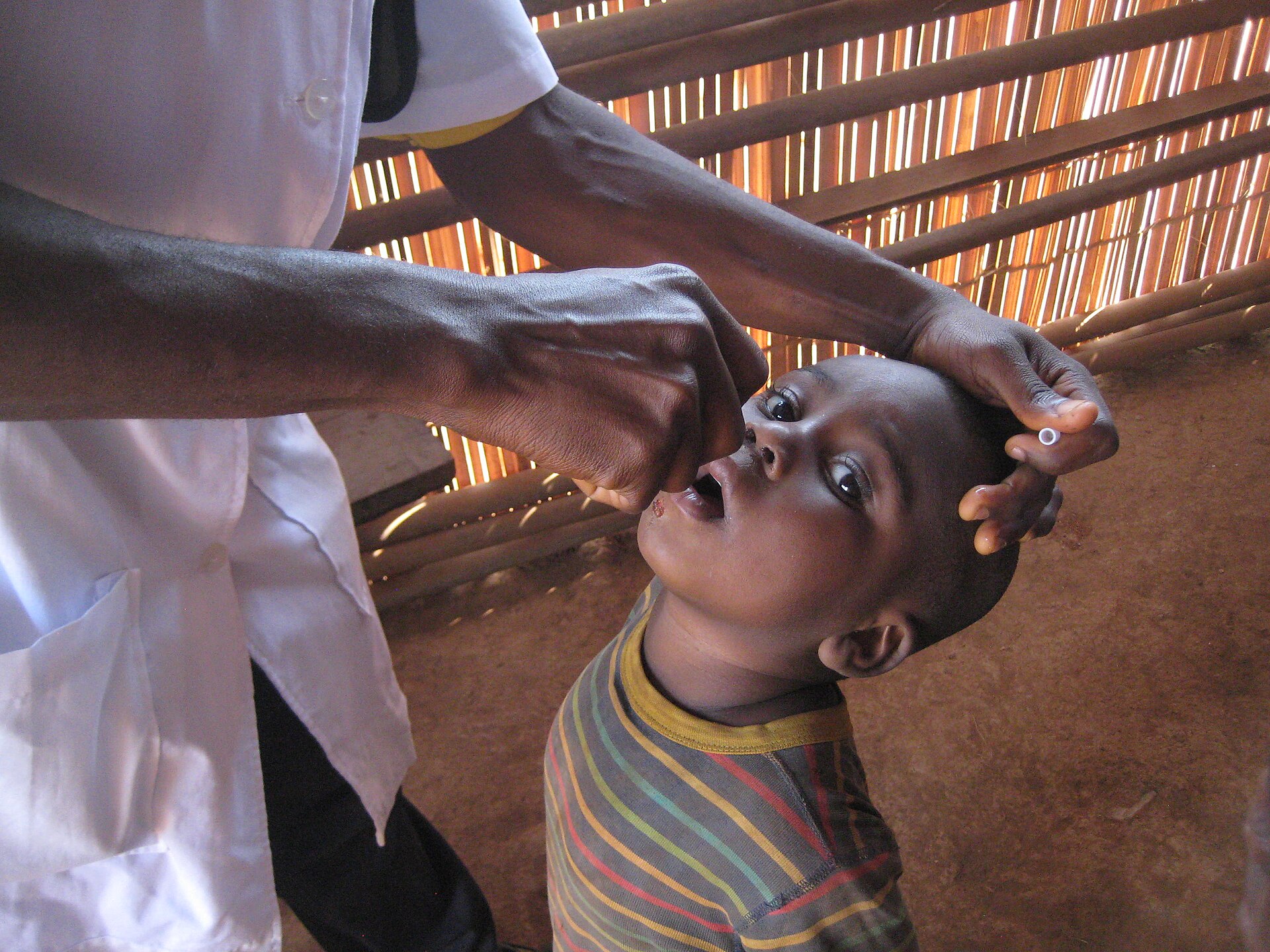
A tetanus-diphtheria vaccine stable for two years at 30°C has passed its first human trial. Stellenbosch researchers explain the promise and the practical hurdles.
Given R10,000 and the job of "décor", two of the court's first justices chose bottle green over the old black and red, and a Makhanda family firm made the robes.
Two neighbours, two very different programmes under the same name. What an Extended Credit Facility is, and why the sums differ tenfold.
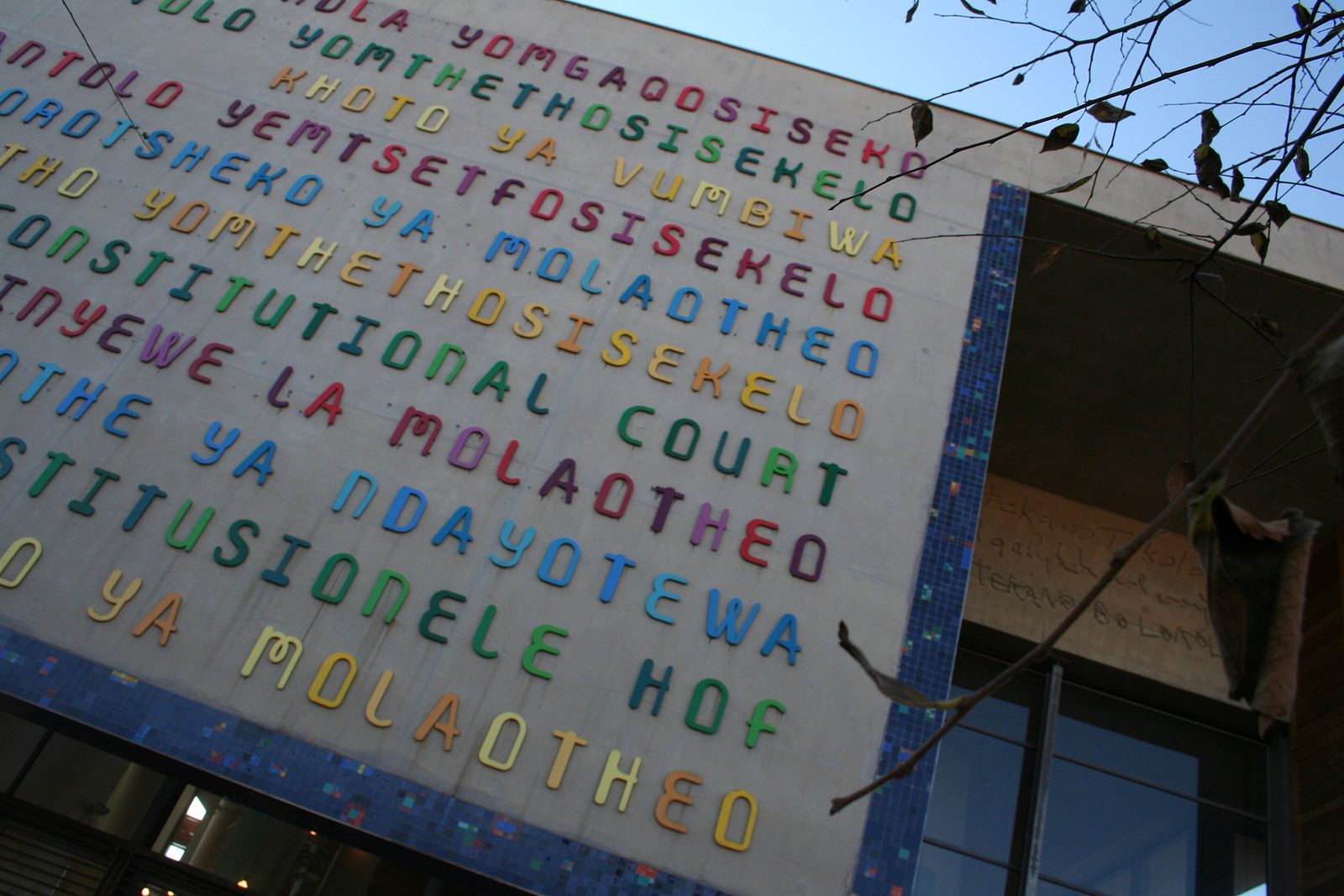
The court judgment behind a week of unrest gives no one the right to stay. It gives them the right to be heard. An explainer.
The pentagon at the family home in Bondo recalls the raised fist that became his signature, and the five-member team that carried his 2007 campaign.
The Morning Brief
One email every weekday at sunrise: the stories that matter across Africa and the diaspora. See today’s Brief →
Follow on WhatsApp