Why South Africa's Constitutional Court judges wear green
Given R10,000 and the job of "décor", two of the court's first justices chose bottle green over the old black and red, and a Makhanda family firm made the robes.
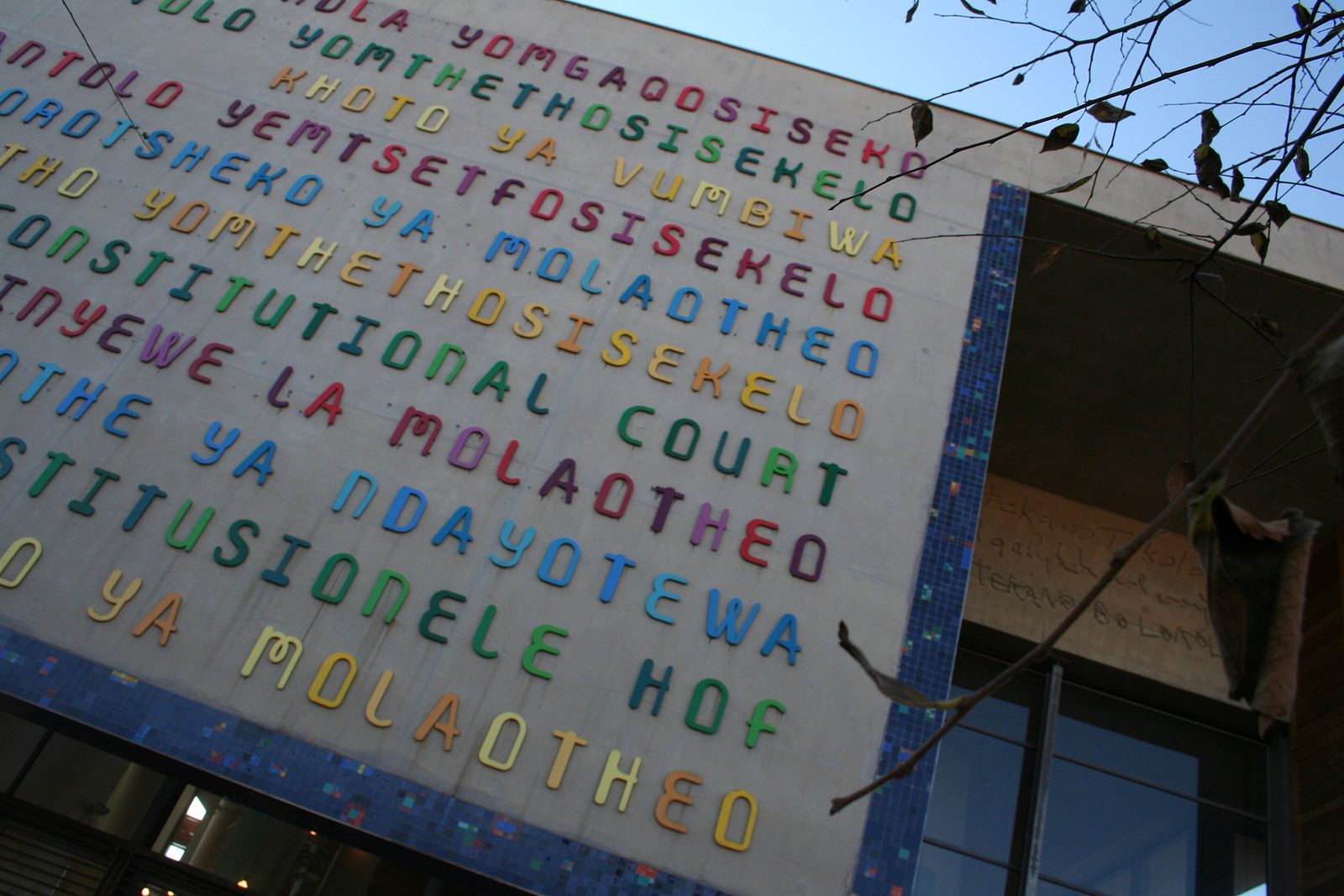
Johannesburg — When South Africa's new Constitutional Court first met, it had no building, no robes, no rules and no books. Its president, Arthur Chaskalson, handed Justices Albie Sachs and Yvonne Mokgoro the job of "décor", with a budget of R10,000, Daily Maverick reports in its series marking 30 years of the Constitution.
Choosing green
Established courts wore black for criminal cases and red for civil ones. The founding judges wanted to set their court apart, and quickly settled on green, which Sachs described as warm and organic. They dropped titles such as "My Lord", but kept robes because a shared gown made the judges equal and less individually prominent. Mokgoro said the green stood for the earth, while red and black trim represented criminal and civil law.
The court also chose its own emblem: people gathered under a tree, the idea of "justice under a tree", which later shaped the design of its building. Sachs said the judges did not talk of "decolonisation"; they acted out of pride in the new Constitution.
Made in Makhanda
Justice Toli Madala approached Birch's, a family business founded in 1860 in Makhanda (then Grahamstown). The robes were cut from a soft but durable polyester cashmere, about five metres each, in bottle green, chosen from three shades. Sachs had his right sleeve cut short: he had lost his right arm in a bomb attack.
About 15 years later, when four of the original judges left at once and there was not enough cloth for their successors, the court adopted a smarter design, still in green. Birch's, now run by the fifth generation, Christopher and Nick Mowbray, can still make them.
Source: Daily Maverick, reporting by Anna Cox, 15 October 2026.