Forecasts are not enough: Africa works on getting weather warnings to the people who need them
About 40% of Africans still lack early warning systems. An AU workshop in Namibia looked at how to turn forecasts into timely action.
Lire cet article en français →
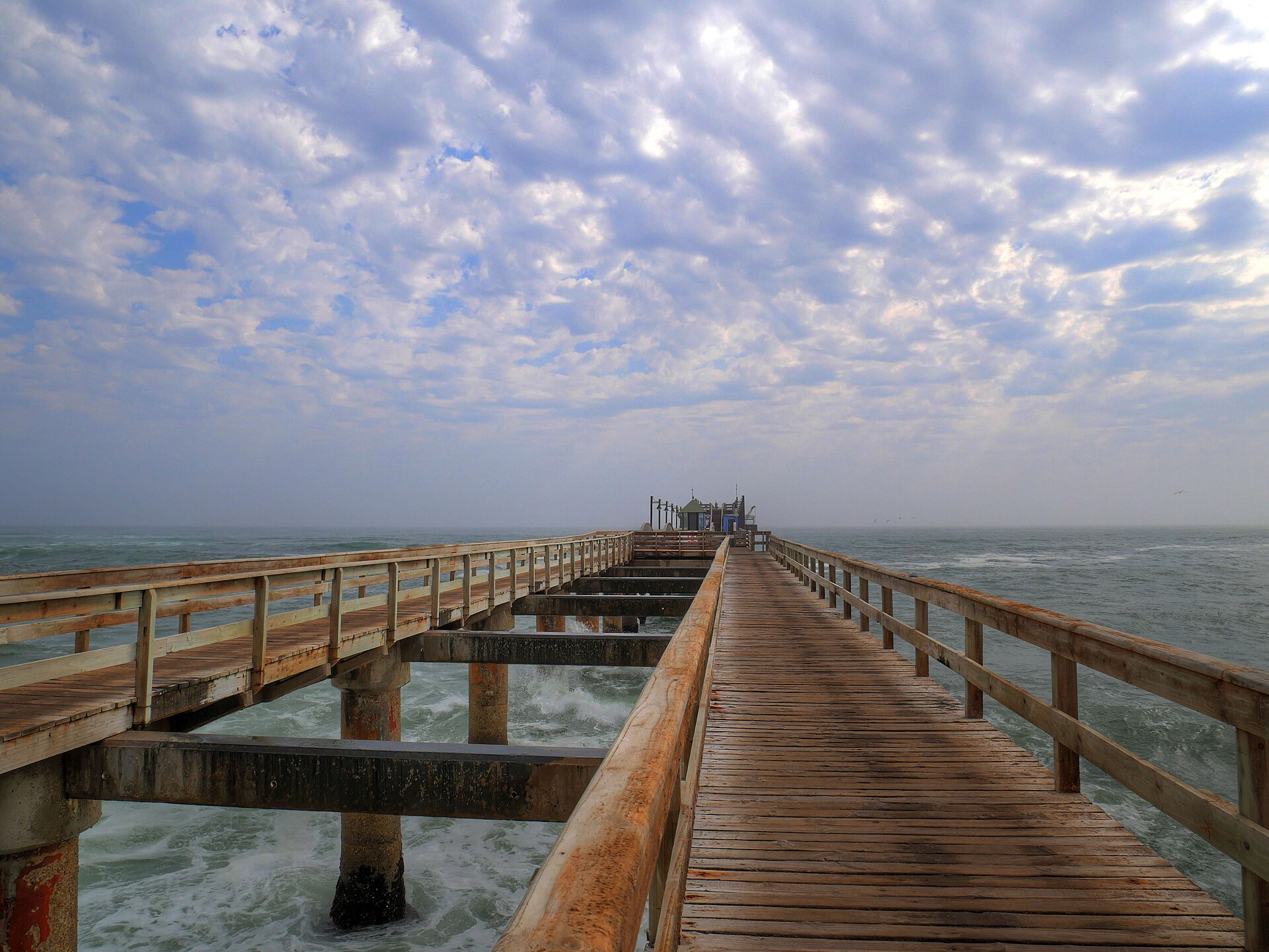
Swakopmund — Roughly 40% of Africa's people still lack access to early warning systems, and droughts, floods, storms and cyclones cause about 70% of the continent's disaster losses. An accurate forecast is only useful if it reaches the right people, in a form they understand, early enough to act. That was the focus of a four-day workshop the African Union Commission convened in Swakopmund, Namibia, from 21 to 24 September, the AU said.
The meeting brought together the people who produce forecasts and those who use them: regional climate centres, national meteorological services, regional economic communities, disaster situation rooms and communicators.
What was said
- Dr Sam Ntelamo, speaking for the governor of Namibia's Erongo Region, said the whole chain from issuing a warning to people acting on it must improve.
- Dr Jolly Wasambo, who coordinates the AU's ClimSA climate services programme, said technical advances must bring real benefits to citizens and communities.
- Dr Obadias Cossa of SADC's Climate Services Centre said information should be "easier to understand, easier to trust and easier to act upon".
Cameroon, Kenya, Tanzania, Uganda and Namibia shared how they involve users in designing climate services and choosing the channels that reach them. The lessons will feed a roadmap of priority actions and training, including e-learning.
Keeping it going
ClimSA, funded by the European Union, is nearing its final phase, so a key aim is to embed its systems, skills and partnerships in African institutions so they keep working afterwards. Priorities include training on weather and environmental stations and supporting Central Africa's regional climate centre.
Source: African Union Commission, 15 October 2026.