Algeria's farmers and the endangered Barbary macaque
In Béjaïa, macaques raid figs and apples, and a third of farms surveyed have been abandoned. Researchers propose ways for people and monkeys to share the land.
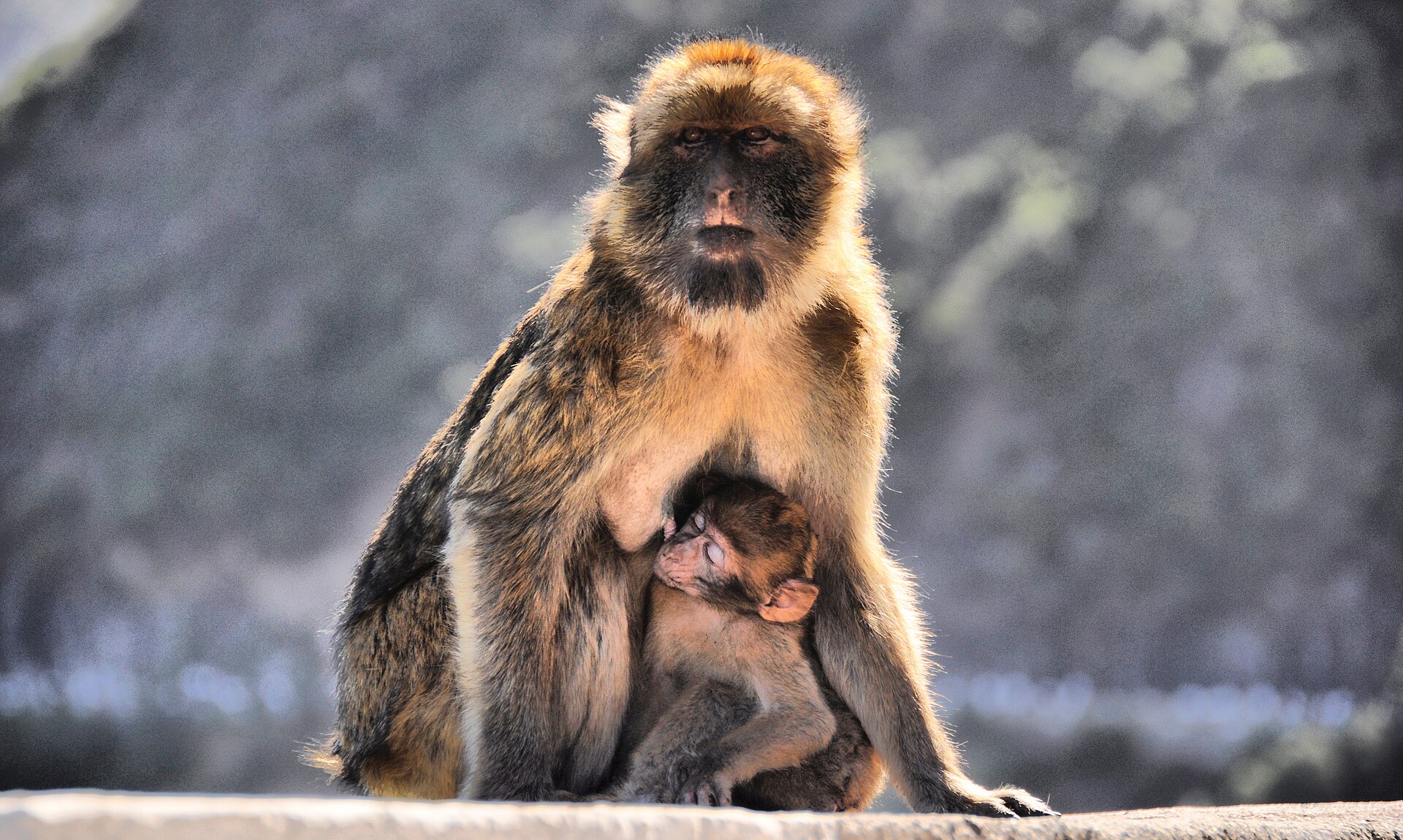
Béjaïa — The Barbary macaque is a primate native to North Africa, and it is endangered. In the mountains of Béjaïa province in northern Algeria, it is also a farmer's headache. Rassim Khelifa of Concordia University and Mohammed Khalil Mellal of the Agrifood Technologies Research Center in Béjaïa surveyed 94 farms, they write in The Conversation.
What they found
- About a third of the farms had been abandoned because of crop losses to macaques.
- About 68% saw macaques foraging every day during the season.
- Figs were hit on almost every farm, followed by apples, pears, grapes and nuts.
- Raids peaked from July to September, when figs ripen, and fell in winter when acorns are plentiful.
- The conflict is economic: no farmer reported aggression or disease.
- Farming made up about 35% of household income, and all of it for some families.
Béjaïa lost about 50,400 hectares of forest between 2001 and 2023, about 40% of its cover, with the biggest loss in 2023, a year of deadly wildfires, though the authors cannot prove this is what drives the monkeys onto farms.
Sharing the land
Algeria protects the macaque by law, and few farmers reported using poison or guns. The researchers suggest:
1. Training and technical support for farmers, which almost none had received. 2. Testing electric fences and motion-activated deterrents. 3. Buffer zones of less tempting crops, such as citrus. 4. Compensation, as Algeria's conservation strategy already proposes. 5. Protecting forest habitat and environmental education.
Source: The Conversation, 4 October 2026.