How Timbuktu's families saved 350,000 manuscripts
Seven centuries of African scholarship, on astronomy, medicine, law and poetry, survived a 2012 occupation because librarians and families smuggled it to safety.
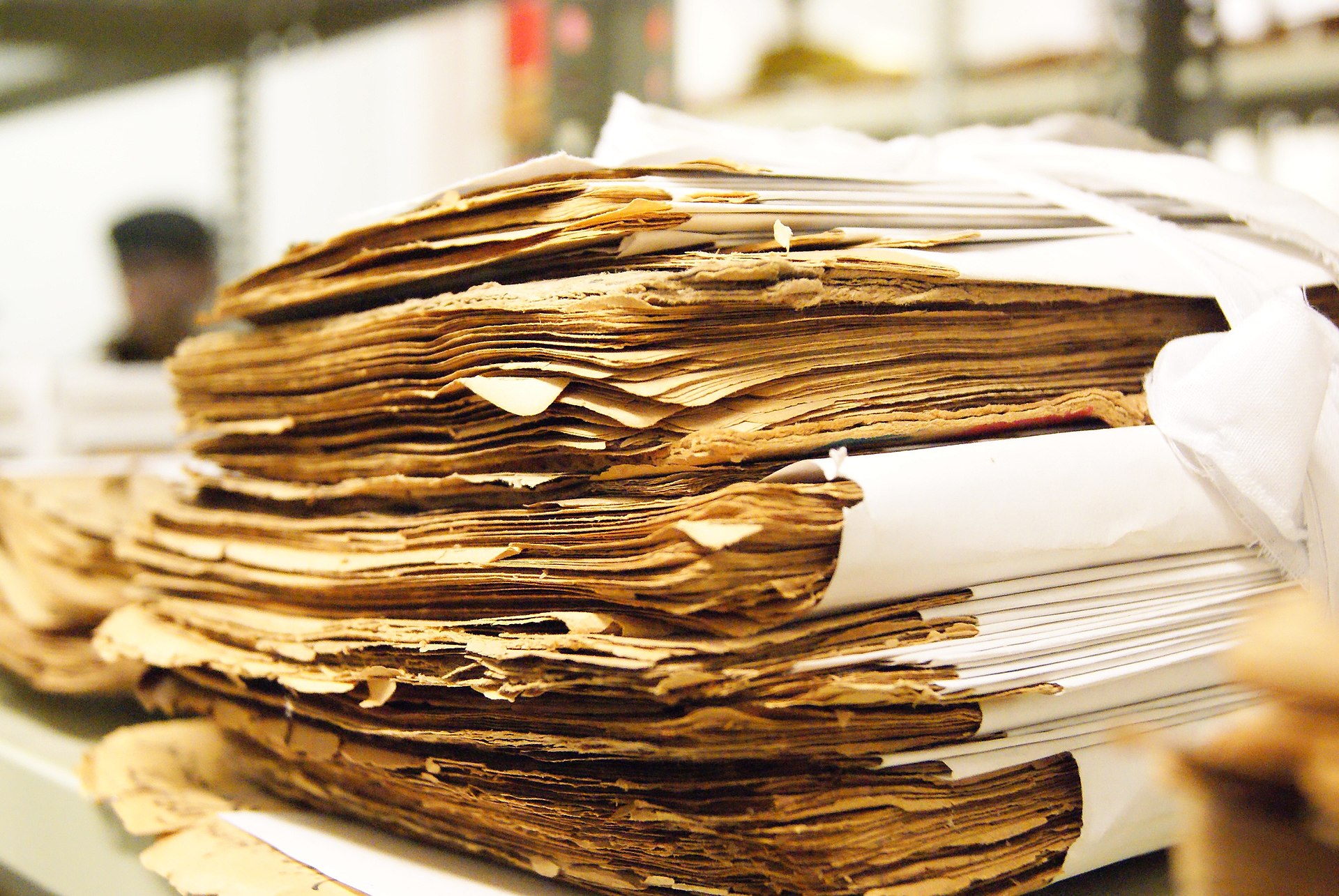
Timbuktu — For centuries, families in Timbuktu, northern Mali, kept libraries in their homes. Their manuscripts, written from the late 13th to the early 20th century, are the best-known record of West Africa's written scholarship, and proof that the region was a centre of learning long before colonial rule.
What they contain
- Astronomy, medicine, philosophy, science, law, history and poetry, as well as copies of the Quran.
- Most are in Arabic script. Many use Ajami, Arabic letters adapted to write African languages such as Fula, Songhay, Tamasheq, Bambara and Soninke.
- Most have never been fully studied or catalogued, so no one knows exactly how many exist.
The rescue
In 2012–13, armed groups occupied Timbuktu and burned or stole 4,203 manuscripts. It could have been far worse. Abdel Kader Haidara and Stephanie Diakité organised the evacuation of about 350,000 manuscripts to Bamako, while local families hid their own collections. Much of the work was organised through the association SAVAMA-DCI. About 300,000 were still kept in Bamako in 2022.
Preserving them for the world
- Since 2013, SAVAMA-DCI and the Hill Museum & Manuscript Library have photographed more than 150,000 manuscripts.
- A project with the British Library, launched in 2017, has digitised collections held in Timbuktu's three main mosques.
- Earlier, the University of Oslo's Tombouctou Manuscripts Project (1999–2007) worked on preservation and cataloguing.
The rescue of Timbuktu's libraries is one of the great acts of cultural courage of our time, carried out by Malians themselves.
Background: Wikipedia.