East Africa's herders should lead rangeland restoration
Rangelands feed most of East Africa's livestock. A Djibouti researcher says restoration has sometimes hurt herders, and sets out how to put them at the centre.
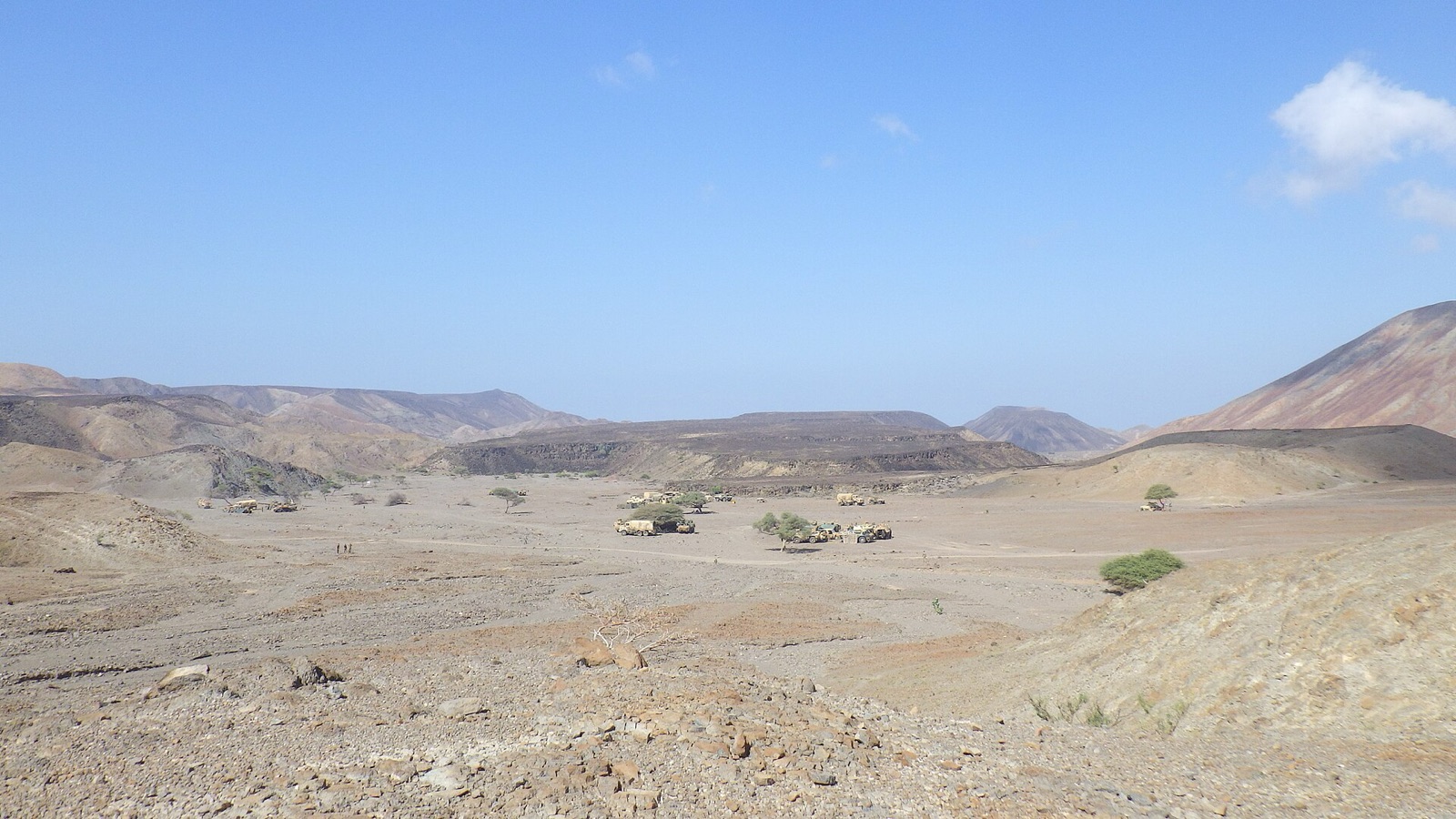
Djibouti — Rangelands cover 54% of the world's land and support about two billion people, looked after by some 500 million pastoralists. In East Africa they provide most of the grazing for livestock; in Tanzania they cover nearly three-quarters of the country. Sougueh Cheik, a soil scientist at Djibouti's Centre d'Étude et de Recherche (CERD), argues in The Conversation that restoring them must start with herders.
When good intentions go wrong
On Djibouti's Hanlé plain, Prosopis juliflora trees planted against desertification spread into dense thickets around water points, crowding out native acacias, cutting forage and blocking herders' access to water.
What worked better
In Tanzania, villages worked with the International Livestock Research Institute to plan land use together. Four villages secured a shared grazing area of 30,000 hectares under collective customary certificates issued to a herders' association. But certificates alone did not stop bare soil spreading; grazing rules are needed too. The Great Green Wall has also moved from a single belt of trees to a mosaic of practices that fit how land is used.
Six recommendations
1. Recognise herders' collective land rights, with grazing rules attached. 2. Measure forage animals can actually reach, not just green cover. 3. Favour local forage species and treat herd mobility as climate adaptation. 4. Fund long-term monitoring, perhaps through a permanent IGAD mechanism co-designed with herders. 5. Give pastoralists a voice in national and international decisions. 6. National ownership: land rights and budgets are decided at home.
Only 24 countries include rangelands in their climate plans, compared with 181 for forests. The next UN desertification conference is in Egypt in 2028.
Source: The Conversation, 8 September 2026.