75 pupils, one teacher: what Kenya's classrooms need
An APHRC study of 398 teachers in 200 schools found large classes push teachers back to the blackboard. Its recommendations are practical and affordable.
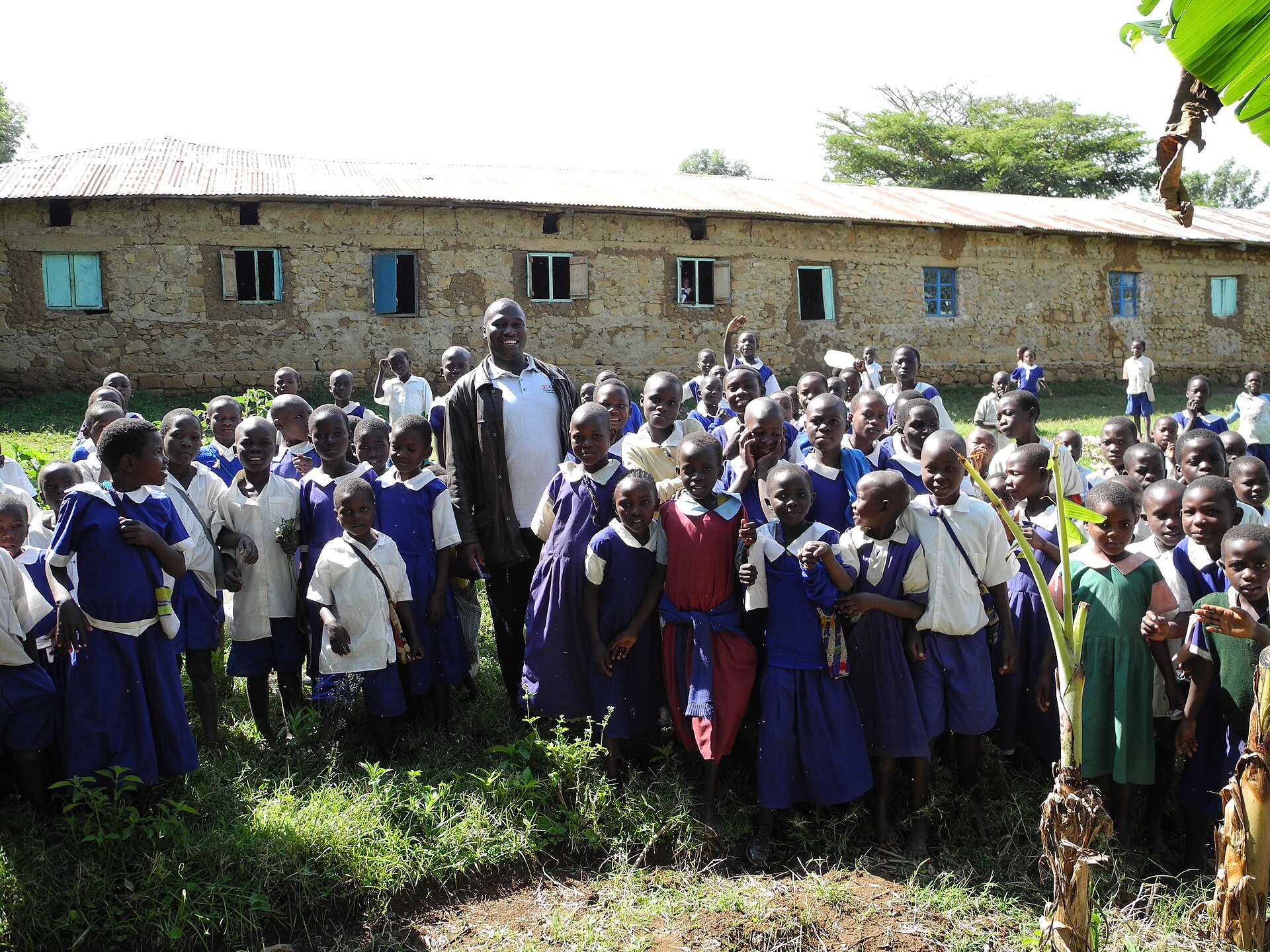
Nairobi — Kenya's competency-based curriculum, introduced in 2017, puts learners at the centre: thinking critically, creating and working in groups. But what happens in a class of 75? Fridah Gatwiri Kiambati of the African Population and Health Research Center (APHRC) in Nairobi reports in The Conversation on what researchers saw in classrooms.
The study
APHRC observed 398 grade 1 and grade 3 teachers teaching literacy and numeracy in 200 schools across 11 counties, then interviewed them.
What they found
- Teachers taught the whole class 84.5% of the time in literacy and 62.8% in numeracy. Small-group and one-to-one help took up less than 10% of lessons.
- Pupils spent much of their time listening, watching and copying.
- Teaching relied on the blackboard and printed materials; technology was barely used, held back by equipment, cost, time and training.
- Most schools had fewer than two pupils per textbook, but in Marsabit there were three.
- Teachers said whole-class teaching was the only practical option with large classes and a crowded curriculum, and reported high fatigue.
Why it matters
A 2026 report found six in ten grade 3 pupils could not read and understand an English story, and eight in ten could not solve a basic maths problem for their grade.
What would help
1. Mentoring and coaching for teachers. 2. Peer learning, with teachers watching each other teach. 3. Training to give extra help to pupils who are behind, during lessons. 4. A textbook for every learner. 5. Working technology and the skills to use it.
Source: The Conversation, 1 October 2026.