Biokineticists could help rural South Africans beat chronic disease
South Africa has about 1,831 registered exercise-medicine specialists, mostly in private practice. A Univen study shows how to bring them to rural clinics.
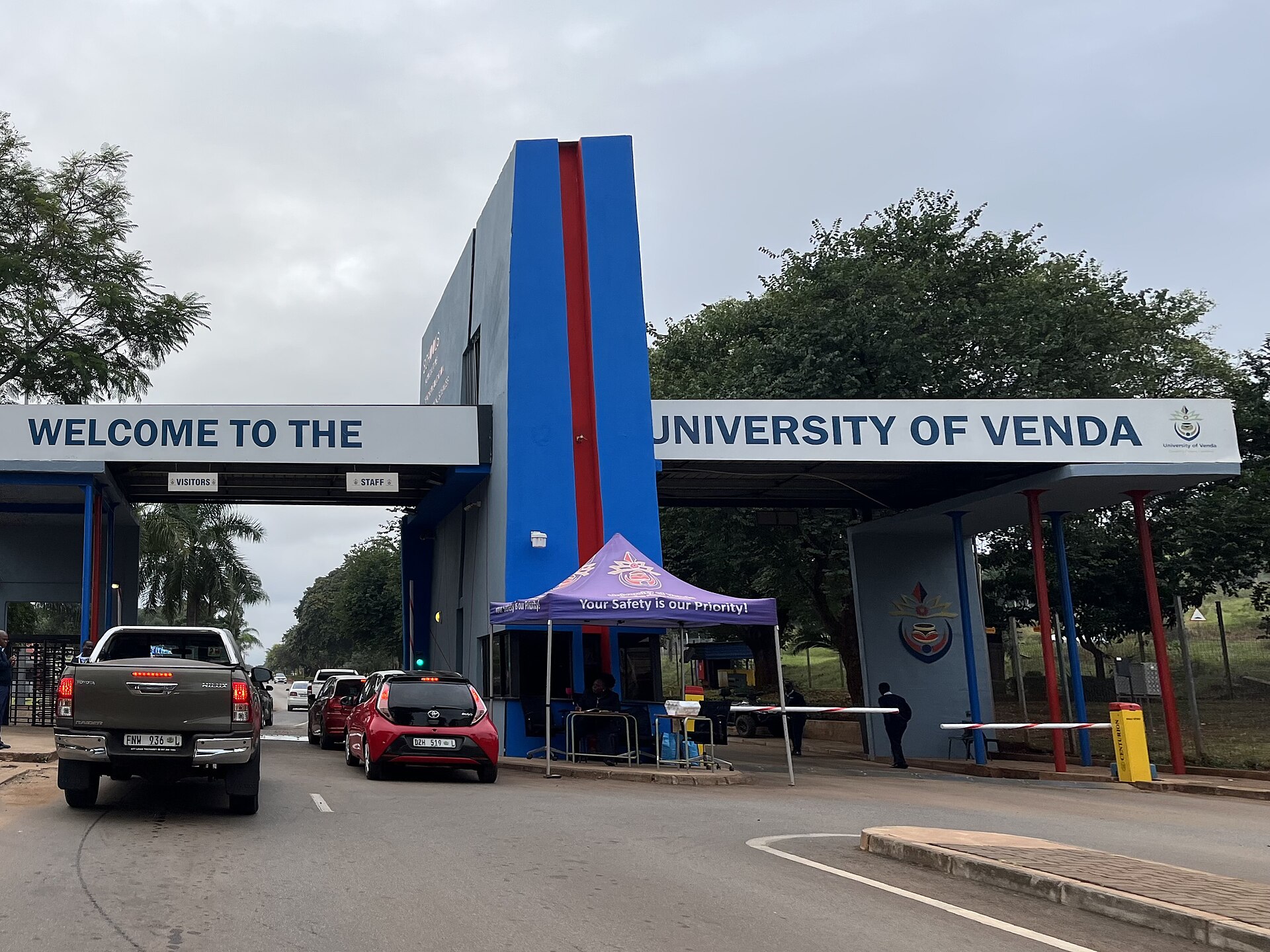
Thohoyandou — Heart disease, diabetes, chronic lung disease and cancer cause about 75% of deaths worldwide. One group of health professionals in South Africa specialises in fighting them with exercise: biokineticists. Gudani Goodman Mukoma, a lecturer at the University of Venda, writes in The Conversation about getting their skills to the people who need them most.
What biokineticists do
They are regulated health professionals who use exercise science to prevent disease and help people manage chronic conditions. They routinely check blood pressure, blood sugar, cholesterol, body mass index and waist size, and some use a simple traffic-light system (green, yellow, red) so patients can understand their results.
The gap
South Africa has an estimated 1,831 registered biokineticists. Most work in private practice, and few are found in public primary care, especially in rural areas.
What the study found
Mukoma interviewed 10 biokineticists with rural or public-sector experience. The main problem was not skills but a "referral vacuum": risks were picked up, but there was no reliable route to send patients for further care or follow-up. The military health service, with structured multidisciplinary referrals, was the exception. Rural patients also faced long distances and taxi fares, and programmes did not always fit local cultural and religious practices.
The fix
1. Publicly funded biokineticist posts. 2. Formal referral pathways between clinics and biokineticists. 3. Work with community health workers. 4. Sustainable funding for prevention under National Health Insurance.
The skills already exist in South Africa. Connecting them to rural clinics could keep many people healthy for longer.
Source: The Conversation, 30 September 2026.