West Africa's court where women can sue their own governments
The ECOWAS Court lets individuals bring cases directly, and has ordered states to change policy. A KNUST lawyer explains what works and what needs fixing.
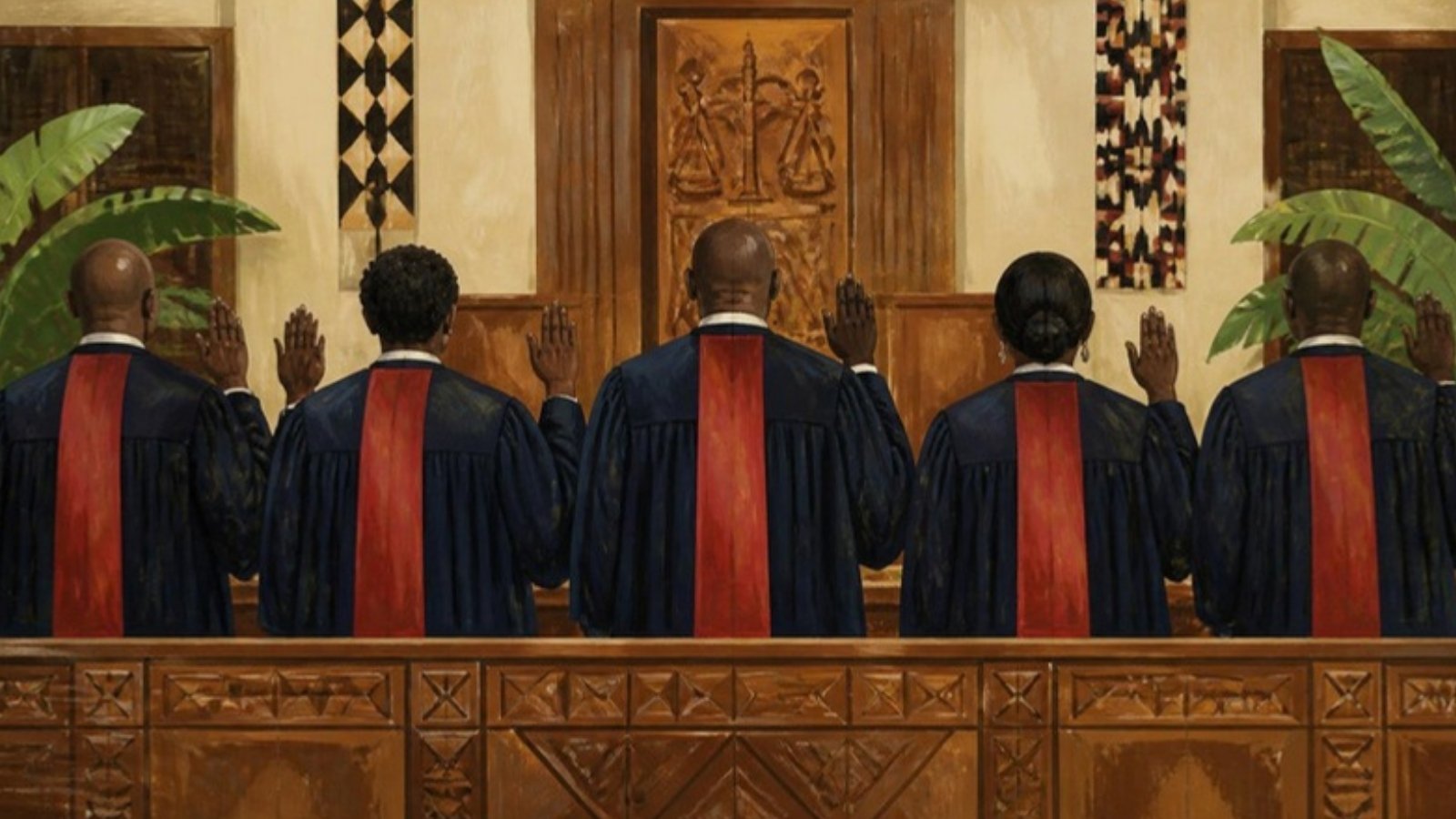
Abuja — If a West African state violates a woman's rights and its own courts will not act, she has somewhere else to go: the ECOWAS Court of Justice in Abuja. Maame Efua Addadzi-Koom, senior lecturer at Kwame Nkrumah University of Science and Technology in Ghana, assesses its record in The Conversation.
How it works
- Set up for economic disputes, the court gained a human rights mandate in 2005.
- Nearly 90% of the hundreds of cases it has heard concern human rights.
- Individuals can file directly, without first exhausting their national courts, and electronic filing has made it easier.
A landmark win
In ***WAVES and CWS-SL v Sierra Leone* (2019), rights groups challenged a ban that kept an estimated 3,000 pregnant schoolgirls** out of mainstream schools. The court ordered Sierra Leone to revoke the ban and close the separate "alternative" schools. The court has also ruled on marriage, widowhood, domestic violence, employment and education.
What needs fixing
- Enforcement: member states are meant to set up national authorities to enforce judgments; eight of 12 have not.
- Compensation: awards vary, which makes outcomes hard to predict.
- The Maputo Protocol, Africa's own treaty on women's rights, adopted in 2003, is rarely relied on, with a 2025 Sierra Leone case a notable exception.
The way forward
The author recommends a uniform compensation framework, more use of the Maputo Protocol, continued public-interest cases by lawyers, and readiness for cases about online violence against women. The court has built a reputation as a fair forum where West African women can get justice, and that is worth strengthening.
Source: The Conversation, 1 October 2026.