$203 million for Niger, $2.2 billion for Senegal: IMF deals explained
Two neighbours, two very different programmes under the same name. What an Extended Credit Facility is, and why the sums differ tenfold.
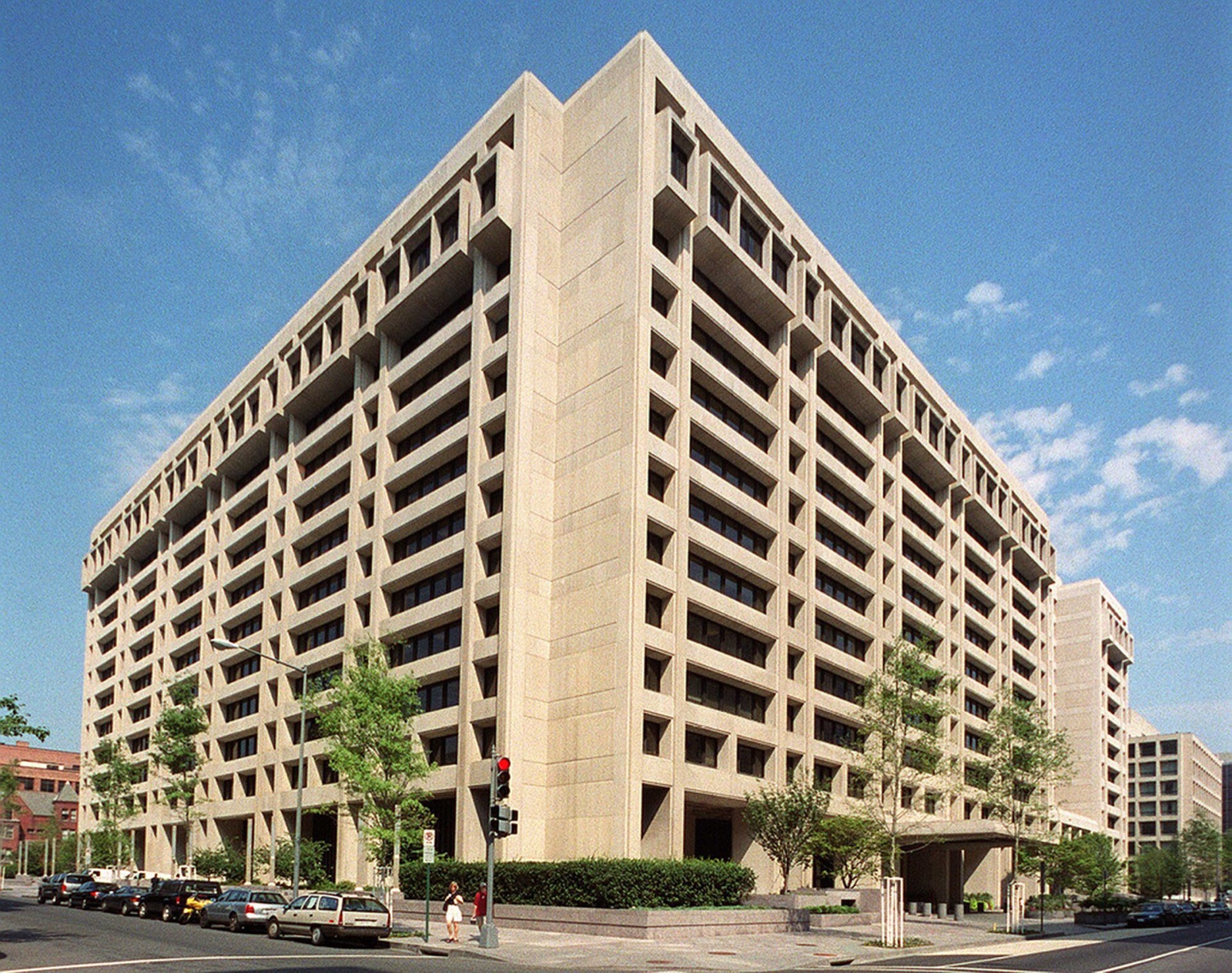
PANM — Within six weeks of each other, Niger and Senegal have each reached a preliminary agreement with the International Monetary Fund on a new loan programme. Both are called an Extended Credit Facility. One is worth about $203 million and the other $2.2 billion. Here is what lies behind the difference.
What an Extended Credit Facility is
It is the fund's main medium-term loan for lower-income countries. Money is paid out in instalments over about three years. Before each instalment, IMF staff check that the government has done what it promised.
What "staff-level agreement" means
It means the fund's negotiating team and the government have agreed terms. Nothing is paid until the IMF's executive board approves it. For Niger, that meeting is expected in early December.
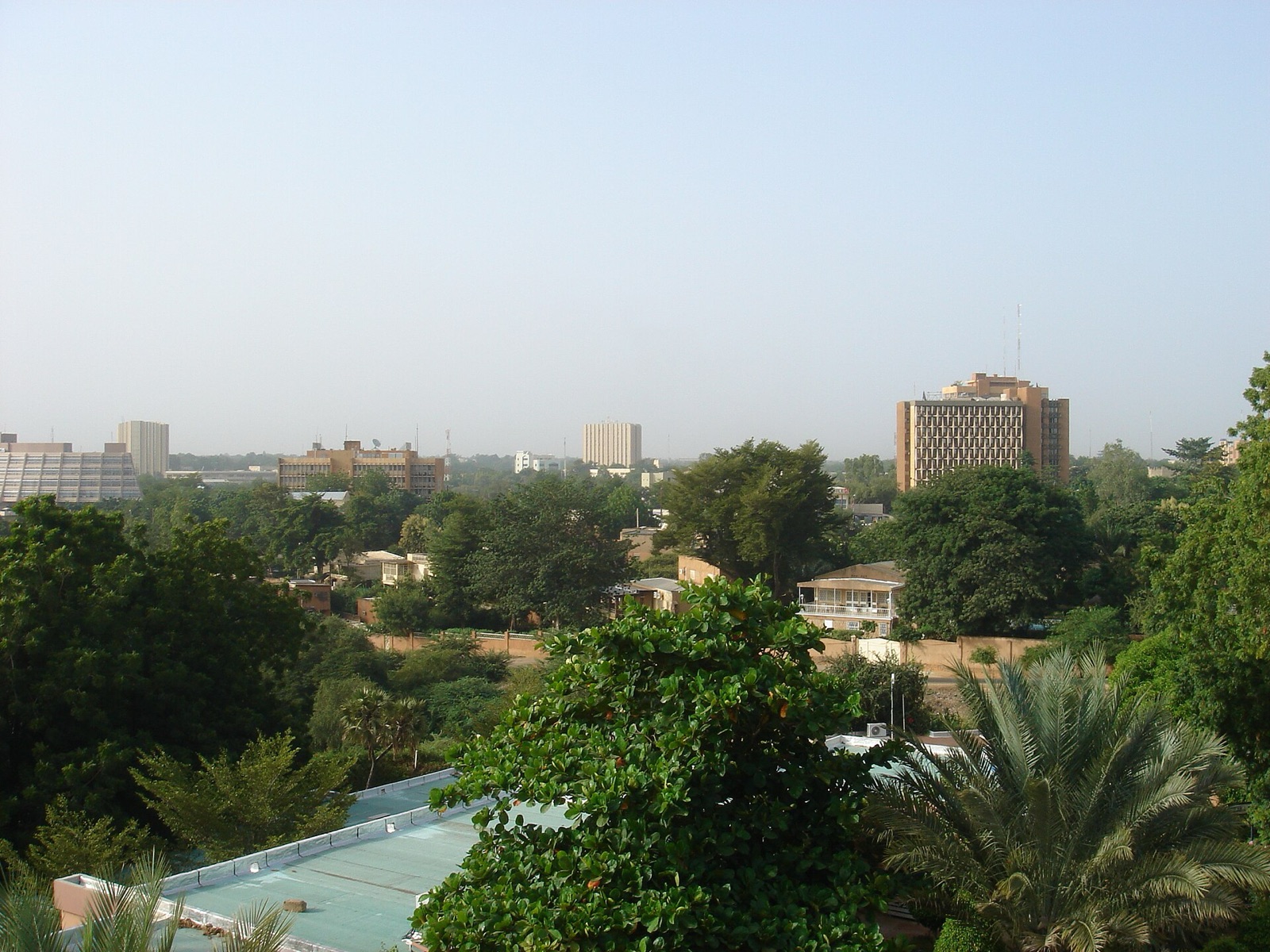
Niger: a continuation
Niger's deal follows directly from a programme that is just ending. The fund says that programme "helped Niger preserve macroeconomic stability and deliver meaningful fiscal and external adjustment while faced with exceptional shocks".
- Size: about $203 million over 38 months, with about $36 million available on approval.
- Scale: 114% of Niger's quota, its financial stake in the fund, which is the yardstick for how much a member can borrow.
- Outlook: growth of 7% this year and 6.7% next, a budget deficit of 3.4% of economic output, and prices falling by 2.5% this year.
- Risks: insecurity and climate shocks.
Senegal: a rescue
Senegal's deal, announced on 1 September, is of a different order.
- Size: $2.2 billion over 36 months.
- Scale: 475% of Senegal's quota, more than four times Niger's ratio.
- Purpose: to "restore macroeconomic stability and debt sustainability".
It also comes with conditions that must be met before the board will even consider it. Senegal must take "decisive corrective actions" over a case of misreporting to the fund, and its other lenders must give assurances about their own financing. The government has said it intends to seek a treatment of its debt.
Senegal's economy grew by 6.7% in 2025, but that was driven by new oil and gas production. Outside that sector, growth was 2.2%.
The short version
Niger is borrowing modestly to keep a working arrangement going. Senegal is borrowing heavily to repair its public finances. The name of the programme is the same. The situations are not.
Sources: IMF press releases on Niger, 8 October 2026, and Senegal, 1 September 2026.