In Baidoa, fighting returns to a city already starving
Two million Somali children are malnourished. The World Food Programme, which once fed four million people a month, now reaches 670,000.
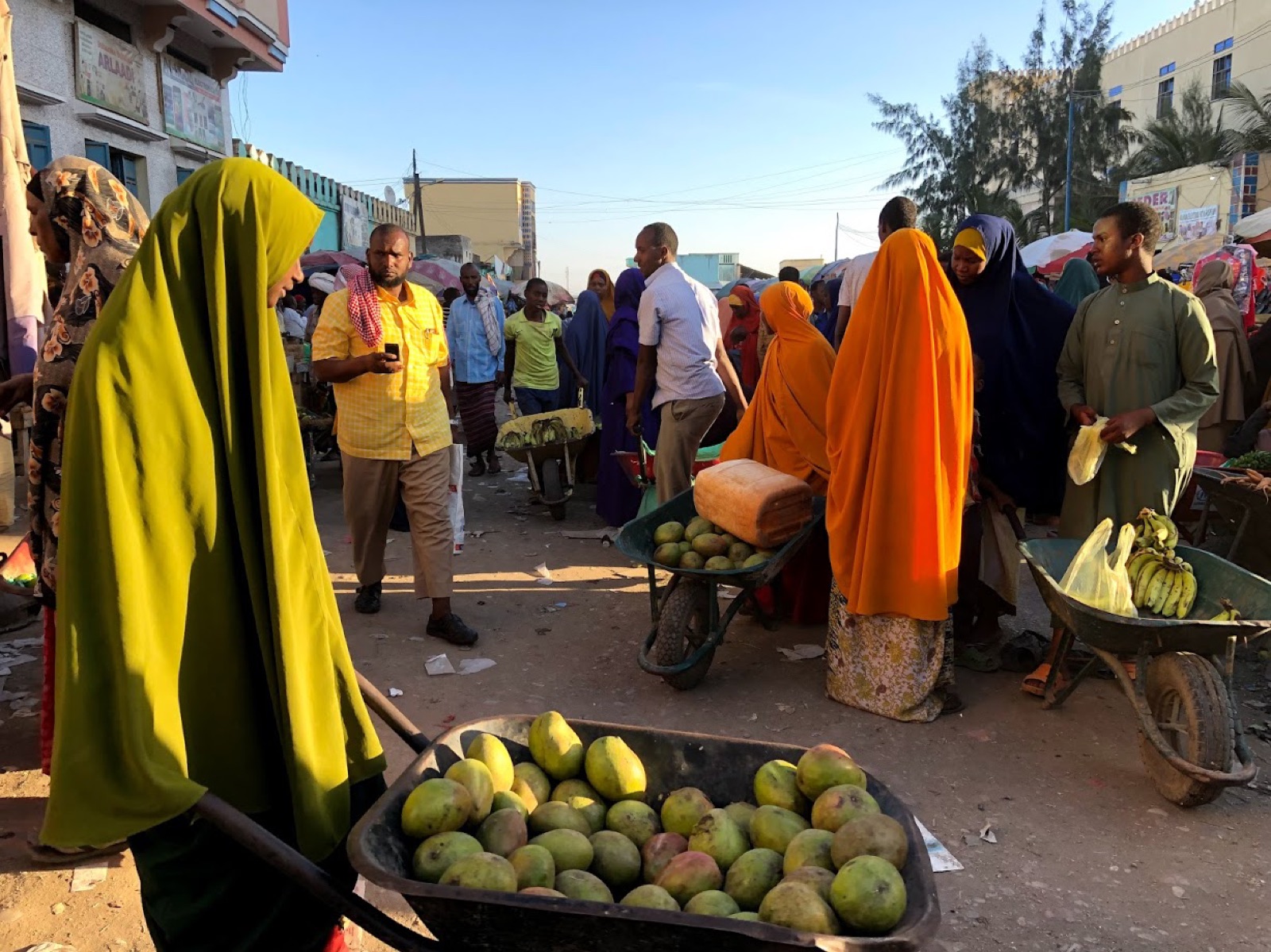
Baidoa — Fresh fighting in the Somali city of Baidoa has killed and injured children in a place where 26,000 people are already at the highest level on the international hunger scale, United Nations agencies say.
Clashes broke out at the end of September between government forces and fighters loyal to the former president of South West State, who was removed from office in March. Thousands of local fighters entered the city on the morning the violence flared.
A health facility was damaged. The UN account does not give a casualty figure.
Hunger before the fighting
The violence has landed on a population with nothing in reserve.
Across Somalia, two million children are acutely or severely malnourished. In Baidoa itself, 26,000 people face what the UN classifies as catastrophic food insecurity.
One clinic in the city has been turning away women and children because it has run out of supplies.
Aid cut to a sixth
The World Food Programme used to reach more than four million people a month in Somalia. It now reaches 670,000.
"Today, severe funding shortfalls mean we are only reaching a fraction of those in need," said its country director, Hameed Nuru.
What comes next
The agencies warn that worse may follow. The El Niño weather pattern is expected to deepen the crisis during the October to December rainy season.
Source: UN News, 30 September 2026.