Senegal is preparing a new sukuk. What is a sukuk, and why does the finance minister want companies to use them too?
Islamic bonds pay investors from real assets instead of interest. Minister Cheikh Diba says Senegal's next issue is being structured and wants green sukuk for solar and infrastructure.
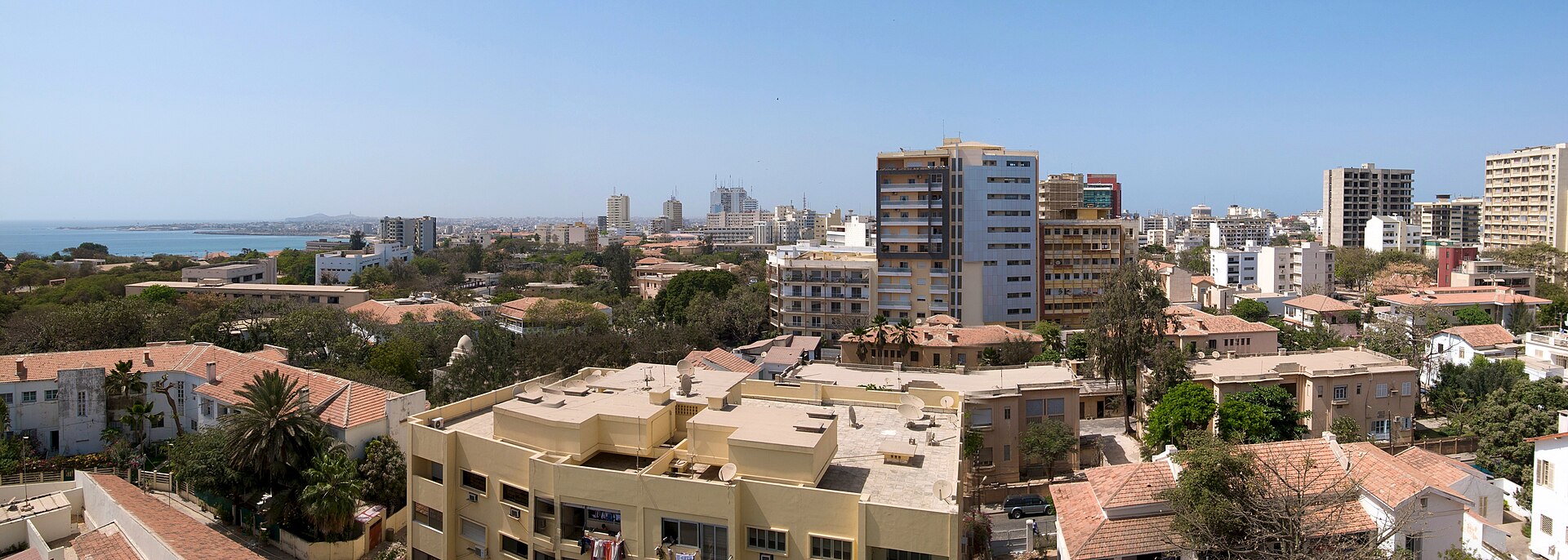
Dakar — Senegal is preparing a new sukuk, an Islamic bond. Economy, Finance and Planning Minister Cheikh Diba announced it in Dakar at the first International Forum on Islamic Finance, organised by the Banque Islamique du Sénégal (BIS) with the support of the state and the BCEAO, Dakaractu reported.
The operation is part of the state's financing plan and is "being structured", the minister said, adding that he expects it to attract investors' interest.
What is a sukuk?
A sukuk works like a bond, but follows the rules of Islamic finance, which the minister summed up as risk sharing, financing backed by real assets and a ban on interest.
- Instead of lending money and receiving interest, investors buy certificates that give them a share in a real asset or project, such as a road, a building or a power plant.
- Their return comes from the income or the use of that asset, for example rent paid by the state.
- At the end of the term, the state buys the assets back and investors get their money back.
For governments, sukuk open the door to investors who avoid interest-bearing products, including many in the Middle East and the Gulf. Senegal has issued sukuk on the regional market before.
Not only for governments
The minister wants the market to open up to private businesses. "The potential of sukuk must not be limited to financing the needs of states," he said.
That will need credible issuers, better projects and simpler ways to structure deals, he said. He also suggested green sukuk to finance renewable energy, solar electrification and sustainable infrastructure, which could make the region's markets more attractive to investors from the Middle East and other financial centres.
He praised the BCEAO's work on rules for the monetary union, including Sharia governance guides based on international AAOIFI and IFSB standards.