Six in ten Ugandan children never see a pre-school
Primary and secondary school are free. The years before are left to private providers. A UN committee says that should end.
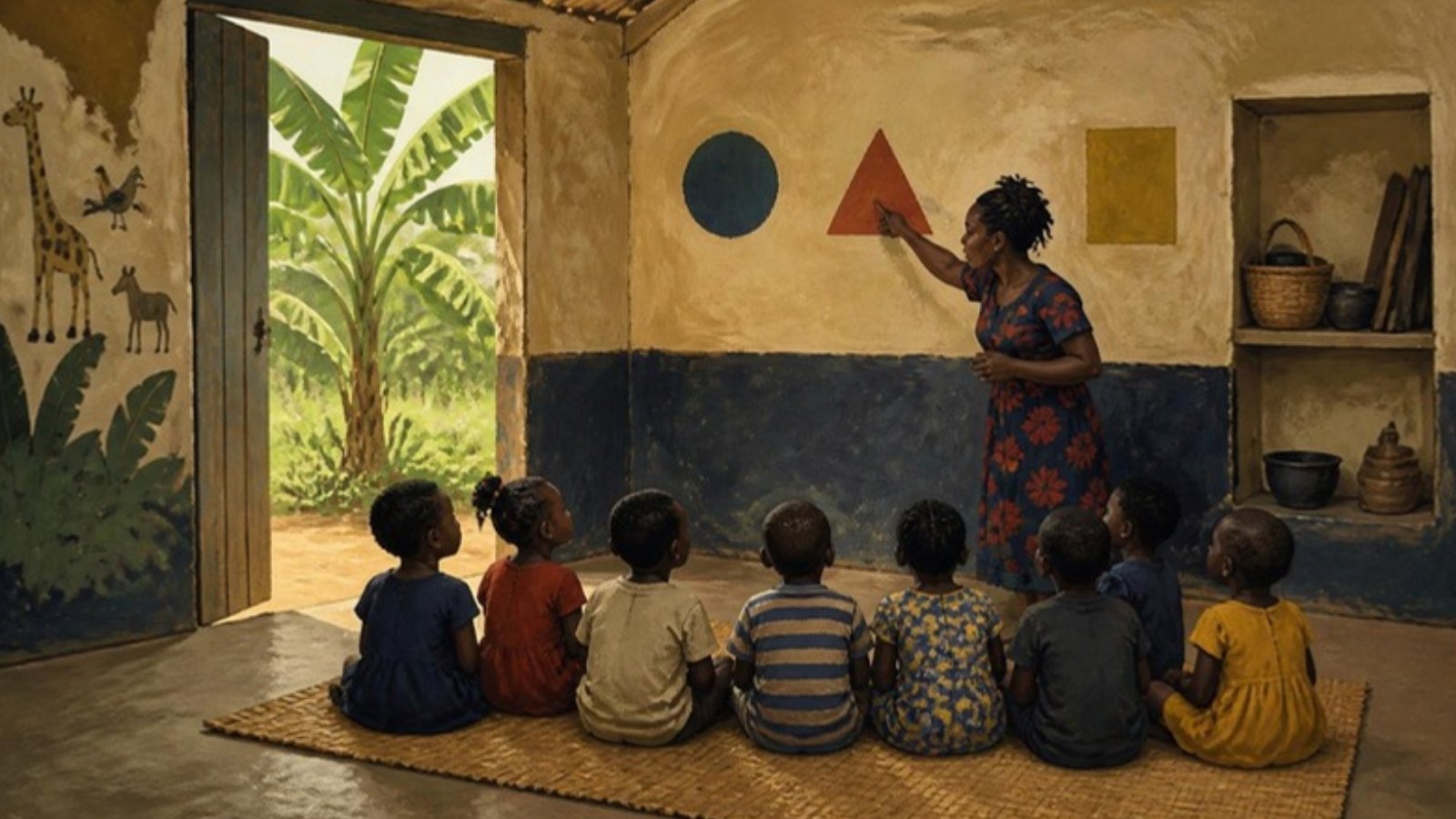
Kampala — Uganda should provide free, state-run pre-primary education to every child, a United Nations committee has said, after finding that most of the country's children start school with no early learning at all.
The UN Committee on the Rights of the Child published its review of Uganda on 1 October. It raised concern about "high numbers of children out of school due to financial barriers" and "very limited access to early childhood education", above all for children in rural areas and those with disabilities.
It called on the government to "significantly expand government support for early childhood education and provide free, state-run pre-primary education to all children".
The gap
Uganda offers free primary and secondary schooling. The years before that are left to private providers, who charge fees.
Research published in 2024 by Human Rights Watch and the Initiative for Social and Economic Rights, a Ugandan organisation, found that:
- fewer than one in ten children aged three to five were enrolled in a registered pre-primary school;
- 60% attended no school of any kind before starting primary.
The fees, the researchers said, are "an insurmountable barrier for many families, particularly those with low incomes and in rural areas". One mother told them she could not cover school costs for her eight children from selling charcoal, and had gone into debt trying.
What the government has done
In 2025 Uganda adopted an Early Childhood Care and Education Policy that commits it to widening access. Human Rights Watch calls the approach "piecemeal", because it leaves pre-school largely in private hands.
The group argues that the state should build pre-primary classes onto the existing Universal Primary Education system, and amend the Education Act to make pre-primary education a government responsibility.
Why the early years matter
Children who arrive at primary school having never held a pencil or sat in a class start behind and often stay behind. That is the argument the committee's recommendation rests on, and it is why the question is one of fairness as much as of budgets.
Source: Human Rights Watch, 8 October 2026.