Ebola has left 1,900 Congolese children without a parent
Children are a quarter of the cases but a third of the deaths. Among the under-fives who catch it, seven in ten die.
Bunia — More than 1,900 children in the Democratic Republic of Congo have lost one or both parents or a caregiver to Ebola, or have been separated from them, since the outbreak was declared in May, the UN children's agency UNICEF says.
Of those, 1,581 are in Ituri province and 322 in North Kivu.
"Ebola takes the people children depend on and unravels their lives," said Halimatou Amadou, UNICEF's head of communication in the country. "The parents fall ill, a child may be exposed, the parent is taken for treatment or dies. At the very moment a child most needs someone, fear and stigma can keep relatives and neighbours away."
Children are dying too
The disease is also killing children directly, and at a higher rate than adults.
By 29 September at least 2,017 children had been confirmed infected and at least 1,062 had died. Children make up just over one in four confirmed cases but about one in three deaths.
For the youngest the odds are worse. Seven in ten children under five who catch the disease die, up from six in ten a few weeks earlier.
"Children are not only losing their parents," Amadou said. "They're also losing their own lives."
A nursery at every treatment centre
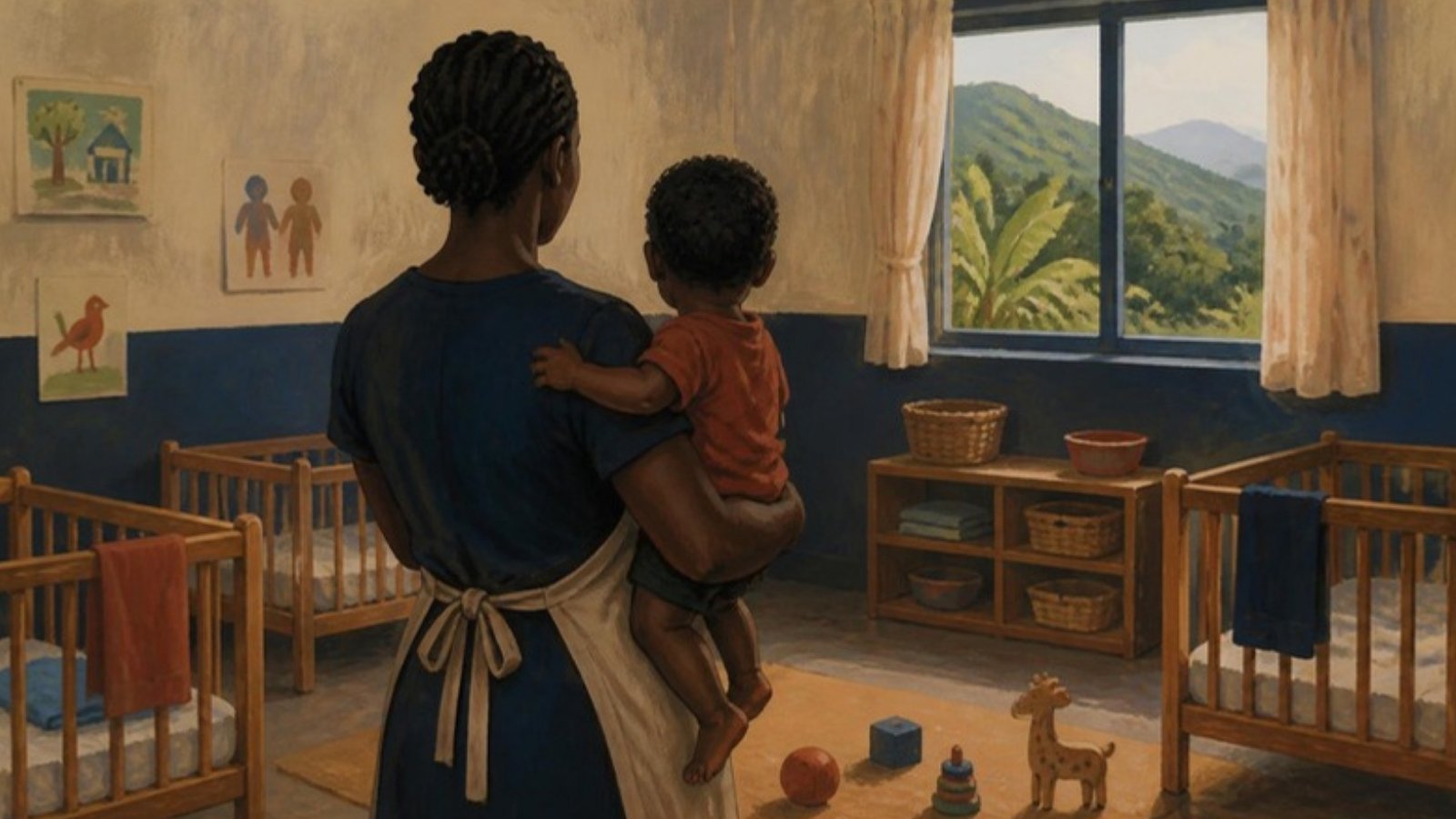
When a parent is admitted to a treatment centre, a child who may have been exposed needs somewhere safe to stay, be fed and be watched for symptoms.
UNICEF runs 12 nurseries in Ituri and North Kivu for that purpose, with paediatric care for children who have been exposed. It is calling for a nursery at every Ebola treatment centre.
Source: UN News, 6 October 2026.