ECOWAS puts its free movement promise to the test in Togo
Officials spent five days at four border posts with Benin and Ghana, timing the queues and asking traders and drivers what really happens.
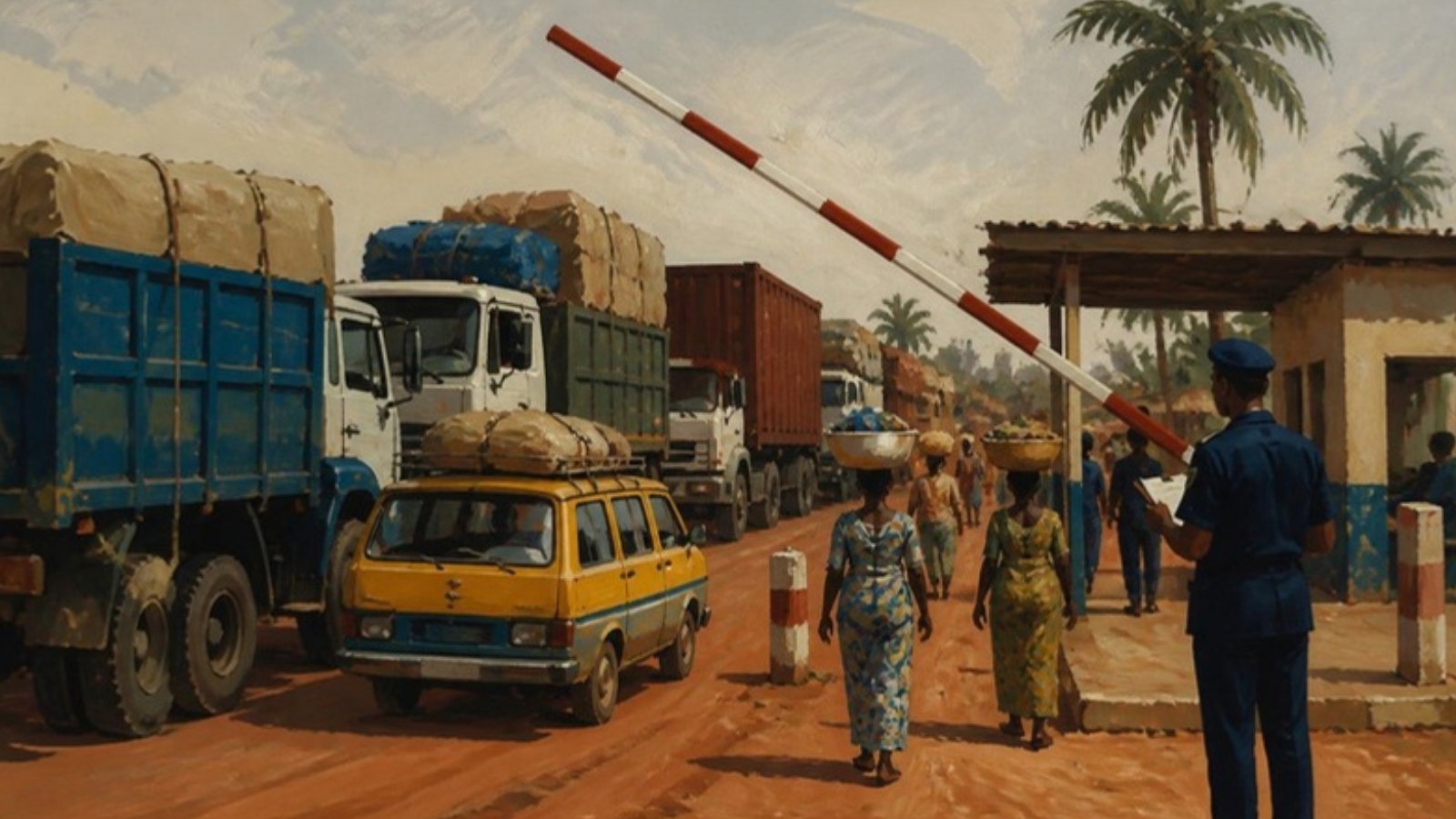
Lomé — West Africans have the right, on paper, to cross each other's borders without a visa and to trade goods made in the region without paying duty. ECOWAS has now sent a team to find out how far that is true at four of Togo's border posts.
The mission ran from 21 to 25 September and was led by the bloc's resident representative in Togo, Deweh Emily Gray. ECOWAS published its account on 10 October.
Where they went
On the border with Benin, the team visited Tohoun and Kémérida. On the border with Ghana, it went to Natchamba and Noépé-Akanu.
What they checked
The team looked at the points where the rules most often break down in practice:
- travel documents and the formalities travellers face;
- the movement of goods, and whether the bloc's trade liberalisation scheme is being applied;
- cross-border transport and the use of the ECOWAS Brown Card, the regional motor insurance;
- health requirements;
- how long processing takes, and how many checkpoints there are.
It watched operations directly and spoke to border officials, travellers, lorry drivers and traders.
What it found
ECOWAS has not yet said. The information is being analysed, it says, "to identify the main difficulties, highlight the good practices observed and formulate operational recommendations".
That report will be worth reading. Free movement is the benefit of membership that ordinary West Africans feel most directly, and delays and unofficial payments at borders are a long-standing complaint of traders across the region.
Source: ECOWAS Commission, 10 October 2026.