Vaccines that don't need a fridge: what they could mean for Africa
A tetanus-diphtheria vaccine stable for two years at 30°C has passed its first human trial. Stellenbosch researchers explain the promise and the practical hurdles.
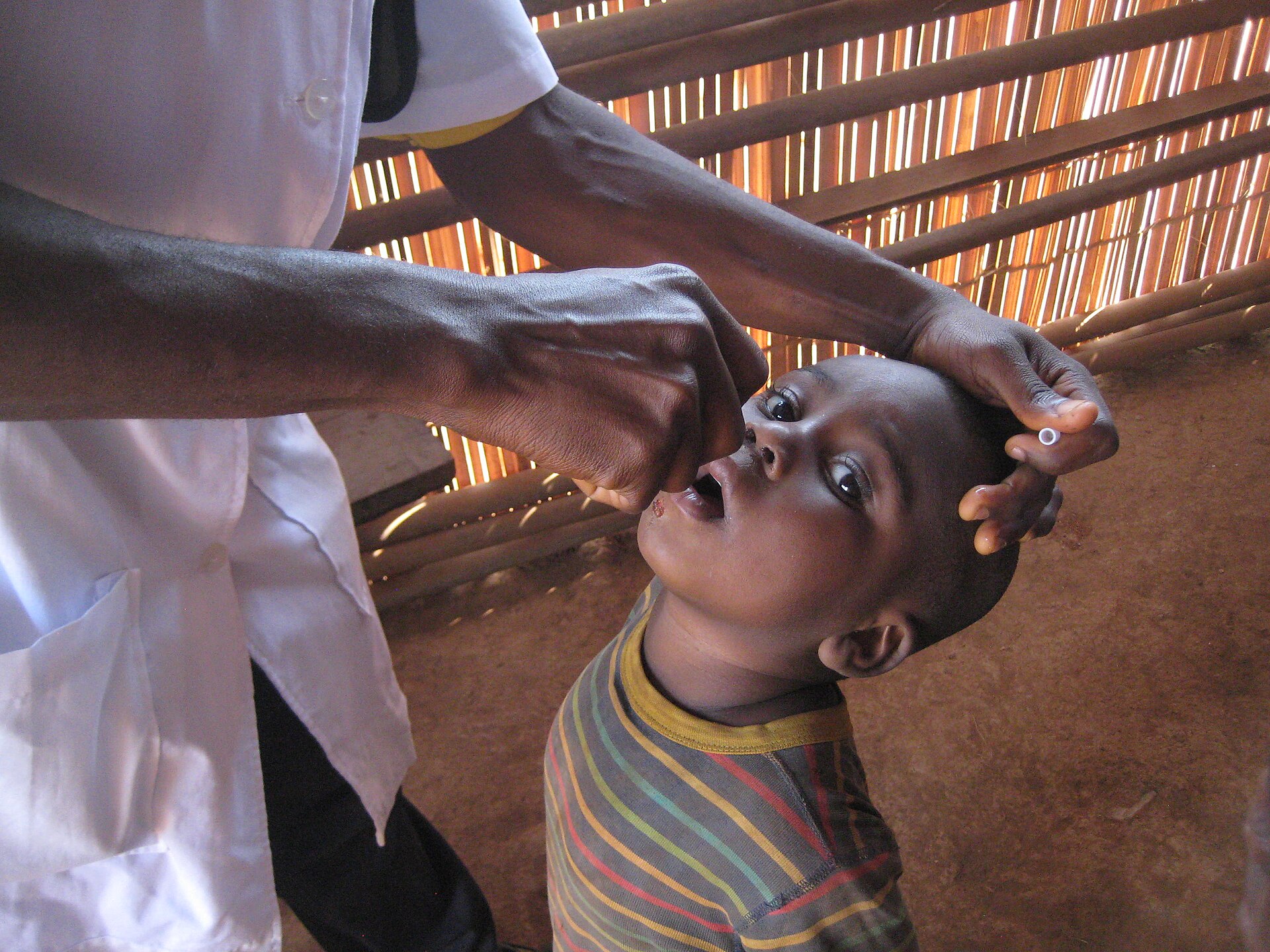
PANM — Most vaccines must be kept between 2°C and 8°C from factory to arm. That chain of fridges, cold rooms, cool boxes, fuel and trained staff is hardest to keep up in remote areas, conflict zones and places with unreliable power. Charles Shey Wiysonge and Chinwe Juliana Iwu-Jaja of Stellenbosch University explain in The Conversation how fridge-free vaccines could change that.
Africa already knows this works
- MenAfriVac, a meningitis A vaccine developed for Africa, can be kept at up to 40°C for four days before use, and was used in Benin to reach remote communities.
- HPV, typhoid and cholera vaccines approved by the WHO can also spend a limited, monitored time outside the cold chain.
- Vaccine vial monitors, labels that change colour with heat exposure, help health workers judge whether a dose is still usable.
The new candidate
A fridge-free version of a tetanus-diphtheria vaccine is freeze-dried with trehalose, a natural sugar, into a powder that is mixed with water before injection. Lab data show it stays stable for at least 24 months at up to 30°C. In a first trial of 60 UK adults, published in September 2026, it was well tolerated and produced strong immune responses.
What it could do
Mobile teams could reach pastoralist communities in the Sahel and the Horn of Africa without ice packs; doses could travel further on islands and in mountains, and be placed closer to displaced people in emergencies.
What to watch
It is still a proof of concept. Larger trials in African settings are needed, temperatures often exceed 30°C, mixing powder adds a step where errors can happen, and cost will decide everything. The authors say the earliest gains are likely in last-mile outreach.
Source: The Conversation, 19 October 2026.