Morocco could become a global hub for electric cars
Africa's biggest car exporter already builds 560,000 vehicles a year. Chinese battery plants and EU tariffs could make it a centre for electric vehicles too.
Tangier — Cars are already Morocco's biggest export. Now the country is positioned to become a hub for the next generation of them, ODI Global researchers Linda Calabrese and Jodie Keane argue in The Conversation.
Where Morocco stands
- About 560,000 vehicles built in 2024, about 50,000 of them electric.
- Renault and Stellantis exported $17 billion of cars and parts in 2024, and both have trained many Moroccan workers.
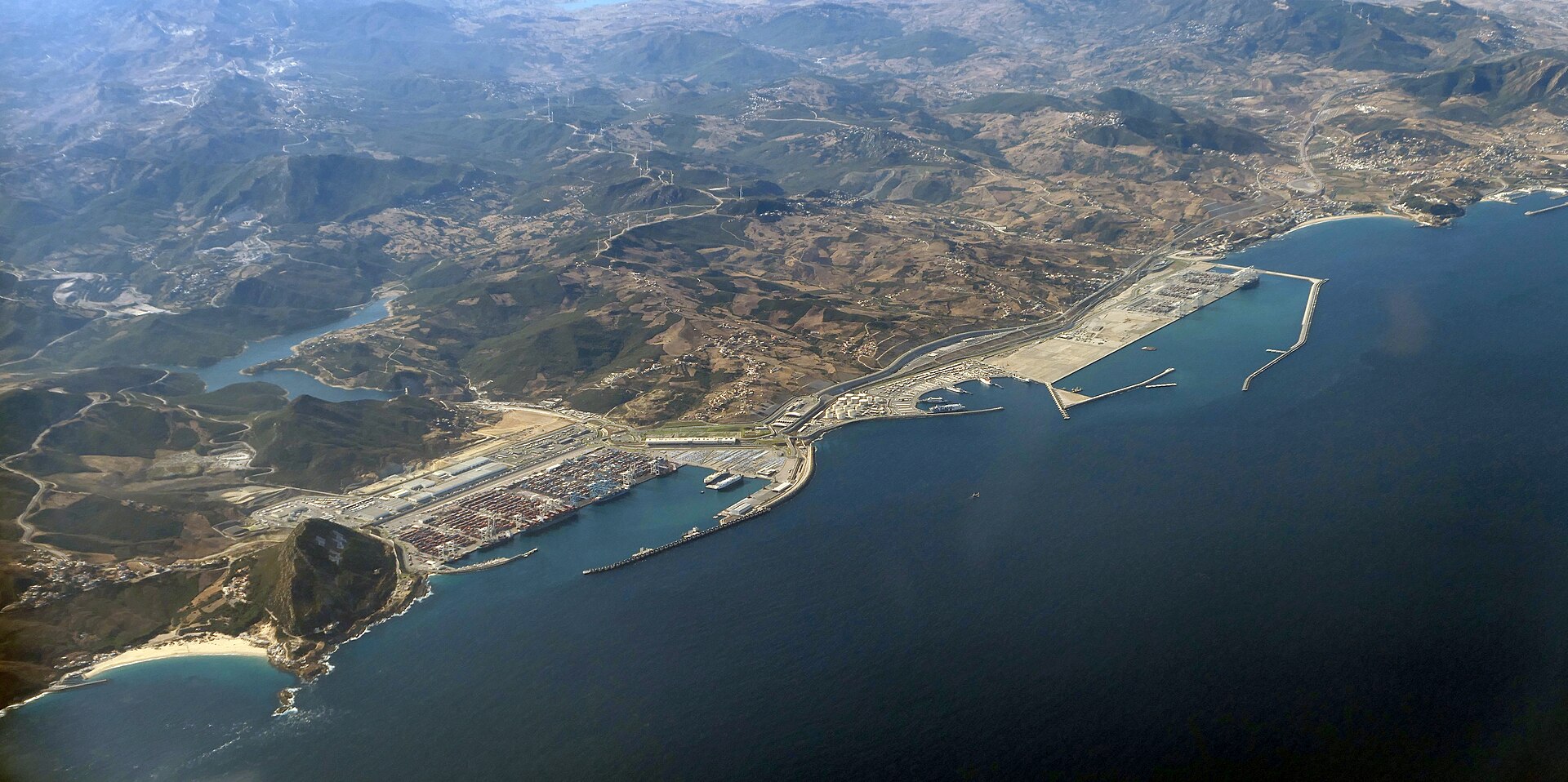
- The Tangier automotive city and state-backed industrial zones host carmakers and suppliers, next to Tanger Med, the largest port in Africa and the Mediterranean.
- Morocco holds about 70% of the world's phosphate reserves and has cobalt, both useful for batteries.
Why now
The EU has added duties of up to 35% on Chinese electric cars. Chinese firms that produce in Morocco, which has free trade agreements with both the EU and the US, can avoid them. Chinese companies have announced about $6 billion of investment in battery and EV component plants in Morocco, filling gaps in cathode and battery-cell production, while Stellantis and Renault are expanding EV and hybrid capacity. Morocco introduced a carbon tax in 2026 to keep its exports in line with EU rules.
Making it count
The authors see a real chance of green industrialisation, in line with the African Union's plan to link the continent's minerals to clean-energy manufacturing, if investors build real factories, share technology, train Moroccan engineers and buy from Moroccan suppliers. The risk to manage is becoming only a transit point for assembly with little local value. With a skilled workforce, a deep-water port and government support, Morocco has the foundations to get it right.
Source: The Conversation, 12 October 2026.