King Sunny Adé at 80: how a boy from Osogbo took jùjú to the world
Six decades after forming his first band, the King of Jùjú is remembered for modernising Yoruba music without losing its proverbs, praise songs and talking drums.
Lagos — King Sunny Adé turned 80 last month. Born Sunday Adeniyi Adegeye on 22 September 1946 in Osogbo, he became the man the world calls the King of Jùjú, and one of the first Africans to put a modern African sound on the global stage. Lagos State University lecturer Damilola Peter Olatade traced his career in The Conversation.
The beginning
His father was a church organist and his mother a trader, from a Yoruba family with royal ties to Ondo and Akure. After St Charles Grammar School in Osogbo, he moved to Lagos, played guitar and percussion with Moses Olaiya's highlife band, the Federal Rhythm Dandies, and was inspired by the jùjú star Tunde Nightingale.
The milestones
- 1965: forms Sunny Adé and His High Society Band.
- 1967: founds the Green Spots, later the African Beats.
- Mid-1970s: sets up Sunny Alade Records, taking control of his own recordings.
- 1982: signs with Island Records and releases Juju Music.
- 1983: Synchro System earns a Grammy nomination, described as the first for a Nigerian artist.
- 1998: Odu earns another Grammy nomination.
What he changed
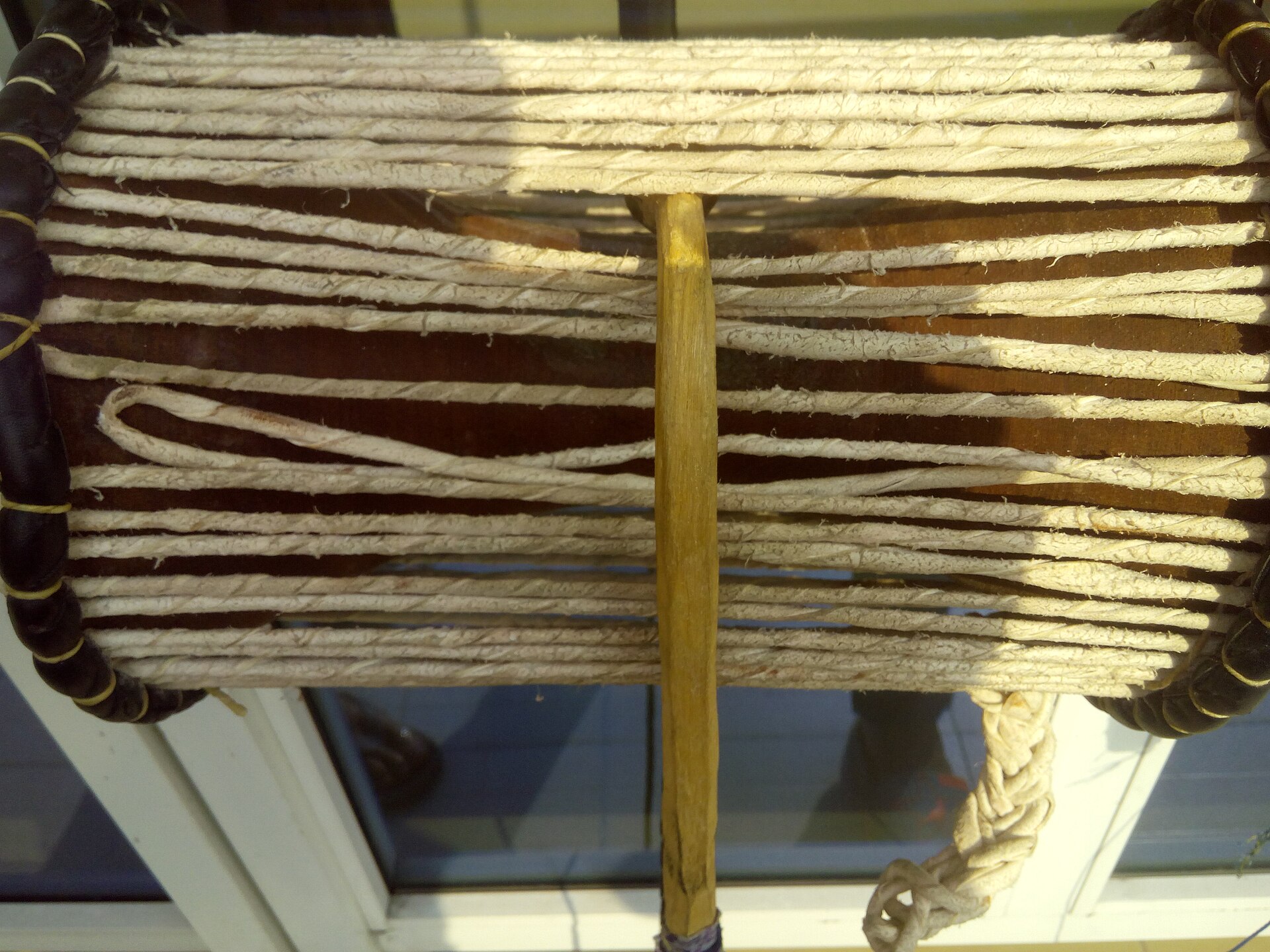
Jùjú blends intricate rhythms, guitars, talking drums, call-and-response and Yoruba oral culture. Adé kept all of that and added electric guitars, pedal-steel guitar and synthesisers, while singing mainly in Yoruba, with praise singing, proverbs and social commentary. His long, high-energy shows with big bands became legendary.
Beyond the stage
Through the King Sunny Ade Foundation he supports young musicians, and he has campaigned on copyright through the Musical Copyright Society of Nigeria. His career showed that African popular music could win global audiences while keeping its own language and traditions. Today's Afrobeats stars walk a road he helped build.
Source: The Conversation, 21 September 2026.