24 satellites could help Africa catch illegal fishing boats
Illegal fishing costs Africa up to $13bn a year. An aerospace researcher has designed a satellite constellation for the Somali Basin, but says enforcement matters most.
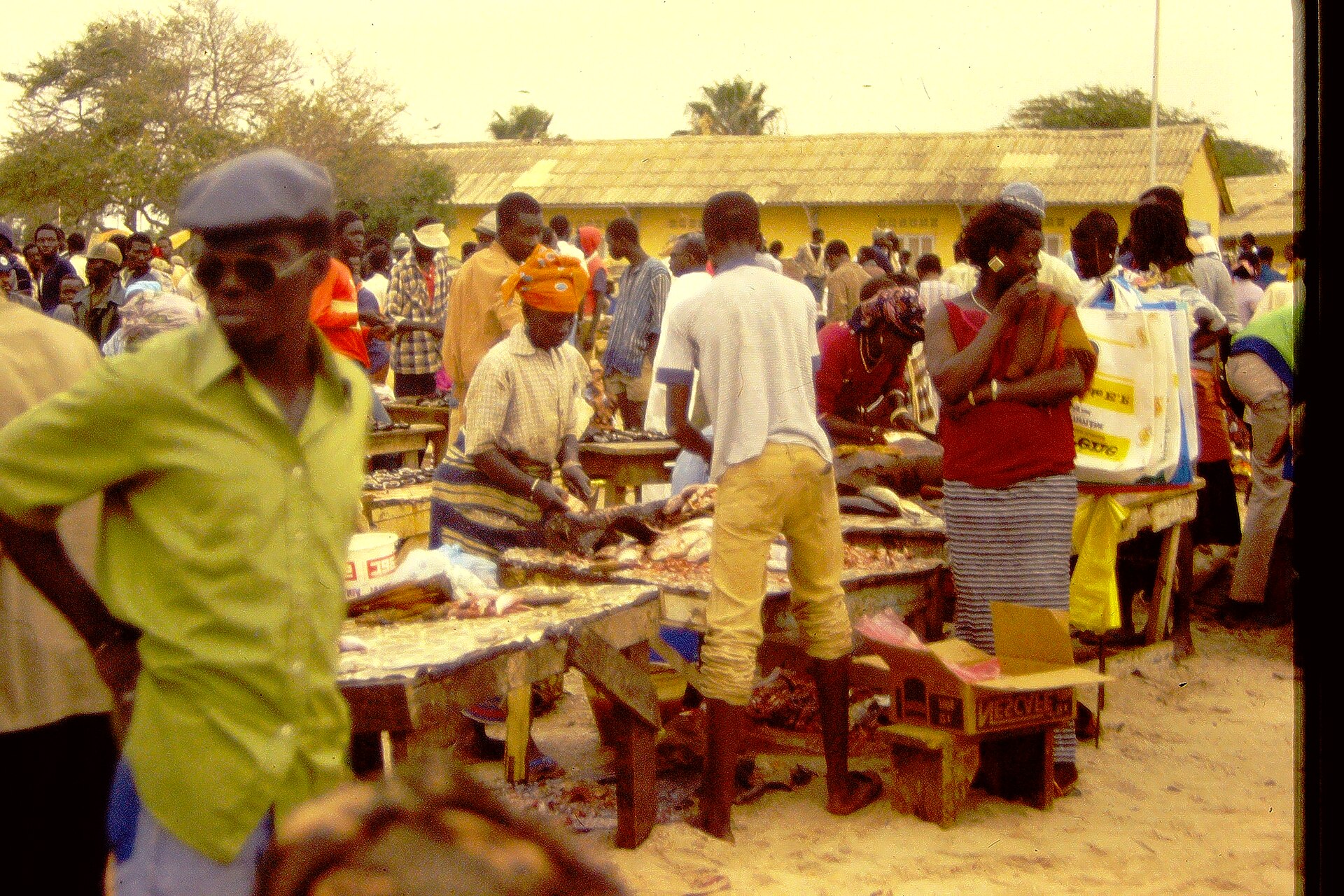
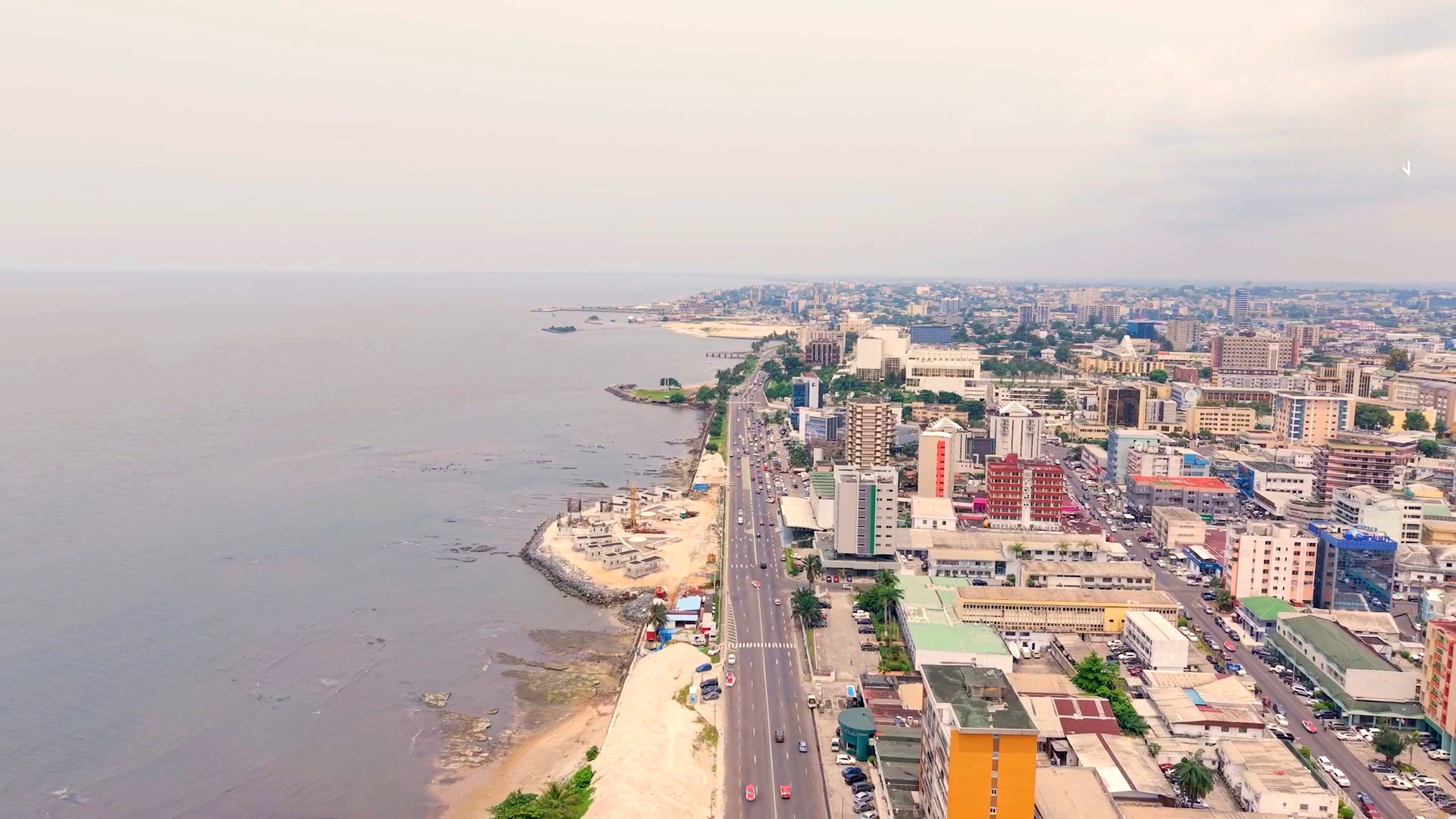
PANM — Africa's 30,500km of coastline, shared by 38 coastal states, loses an estimated $11 billion to $13 billion a year to illegal fishing. Many illegal vessels simply switch off the transponders that report their position. Wanjiku Chebet Kanjumba, a PhD candidate in aerospace engineering at the University of Florida, has designed a satellite system to find them anyway, she writes in The Conversation.
The design
- 24 satellites in an orbit tilted 20 degrees to the equator, built for the Somali Basin, a major tuna area between Somalia and Kenya.
- They would pass over the basin about every 1.1 hours, roughly three times as often as polar-orbit satellites.
- A wide-area radar spots possible vessels; a sharper sensor then zooms in, with the satellite deciding in seconds what is worth a closer look.
- Data could be received at the Broglio Space Centre in Malindi, Kenya, and South Africa's Hartebeesthoek antennas.
- Cost: about $347 million over five years. Shared among eight states, about $9 million a year each.
Africa is already acting
- In July 2026, a patrol boat in Gabon, guided by satellite analysis from Global Fishing Watch, intercepted three unlicensed trawlers inside the Grand Sud Reserve; their owner settled with the authorities.
- FISH-i Africa, a task force of eight western Indian Ocean states, has pooled intelligence since 2012 and run more than 35 investigations.
- In June 2026, 15 governments, seven of them African, signed the Mombasa Declaration to share data on vessel ownership and locations.
The key point
The system is affordable and buildable with existing technology, Kanjumba says, but satellites cannot board a ship. Inspectors, prosecutors and courts with the power to act are what turn detection into protection, and sharing costs and patrols among neighbours makes it achievable.
Source: The Conversation, 20 October 2026.