What South Africa's asylum ruling does and doesn't do
The court judgment behind a week of unrest gives no one the right to stay. It gives them the right to be heard. An explainer.
PANM — Cars have been burned and shops looted in South Africa over a court ruling that many of those protesting, and many of those queuing, appear to have misunderstood. This is what the government says the judgment means.
The case
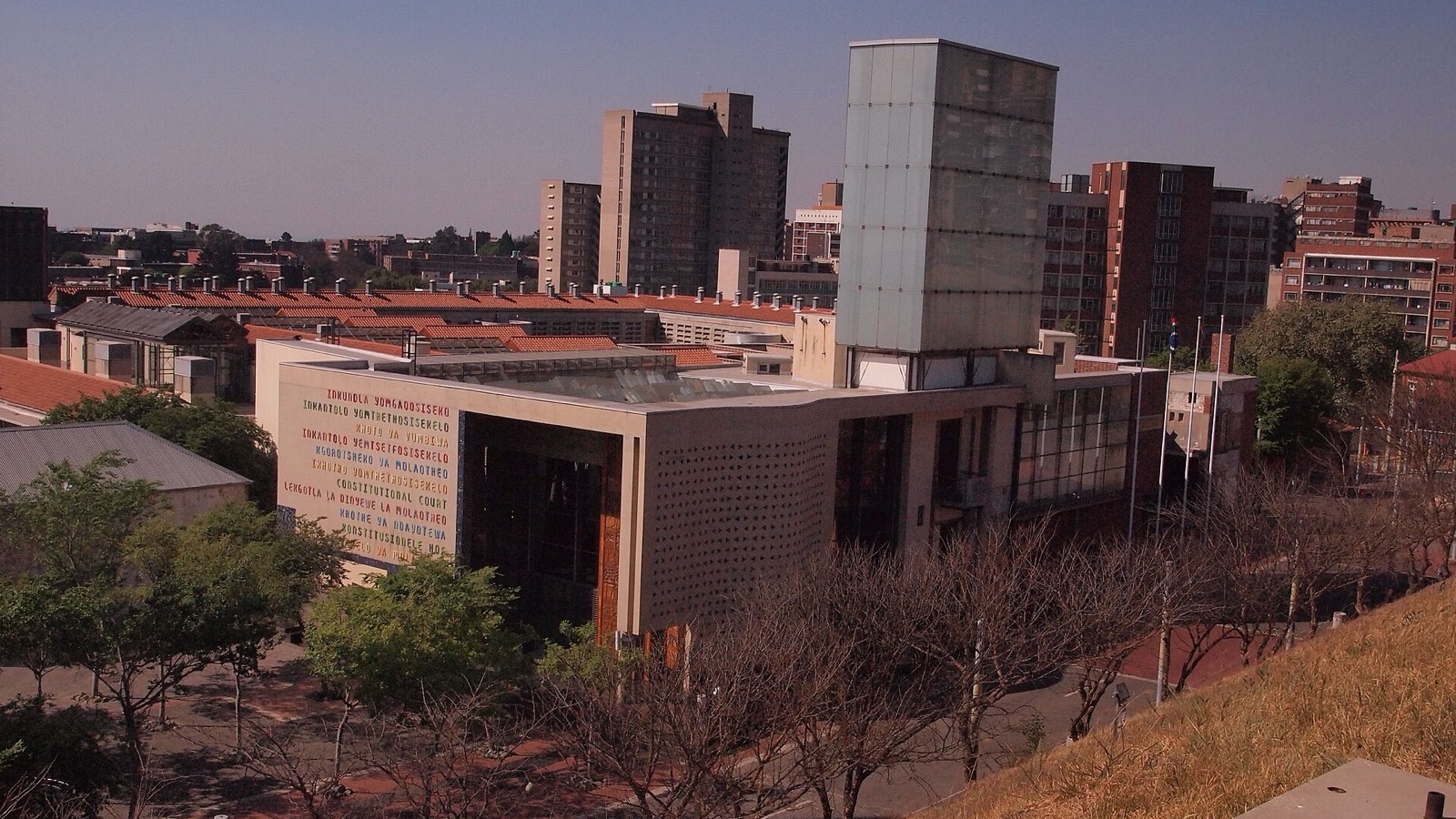
In July the Constitutional Court ruled in a case brought by the Scalabrini Centre of Cape Town against the Minister of Home Affairs. It declared parts of the Refugees Act unconstitutional.
Those provisions shut some people out of the asylum system on procedural grounds alone: because they had entered the country irregularly, lacked a transit visa or missed a deadline to report.
What it does
The ruling means a person who claims asylum must be allowed into the process in which the claim is examined on its merits.
It also upholds a principle of international refugee law known as non-refoulement: no one may be sent back to a country where they face persecution.
What it does not do
According to the government's committee of ministers on migration, the judgment does not:
- grant anyone refugee status or permanent residence automatically;
- make unlawful migration legal;
- give asylum seekers the right to vote;
- stop Home Affairs from serving South African citizens.
In short, it opens the door to a hearing. It does not decide the outcome.
Why it went wrong
On 28 September Home Affairs issued a directive to put the ruling into practice. Within days, the department says, its refugee reception offices were overwhelmed, its officials were at risk and public order was threatened. There are only five such offices in the country.
On 9 October the directive was withdrawn. The department says it still intends to comply with the court and will work out a different way to do it.
What the government plans
The ministers say they will expand the capacity to process claims, strengthen biometric screening and identity checks, and speed up decisions. They have recommended widening an existing corruption investigation to cover all refugee centres.
In June, President Cyril Ramaphosa announced that reception centres would be moved to border posts, starting with the one in Tshwane, so that claims are assessed at the point of entry. In the same address he warned against groups using "the legitimate concerns of South Africans" to incite violence.
"We can protect our borders while protecting human dignity," he said.
Sources: Inter-Ministerial Committee on Migration statement, 8 October 2026; Department of Home Affairs statement, 9 October 2026; address by President Ramaphosa, 7 June 2026.