The Ugandan lab turning seized ivory into convictions
Poachers now strip carcasses of anything that identifies them. In Entebbe, scientists use DNA to tell a court exactly which animal a piece of meat or tusk came from.
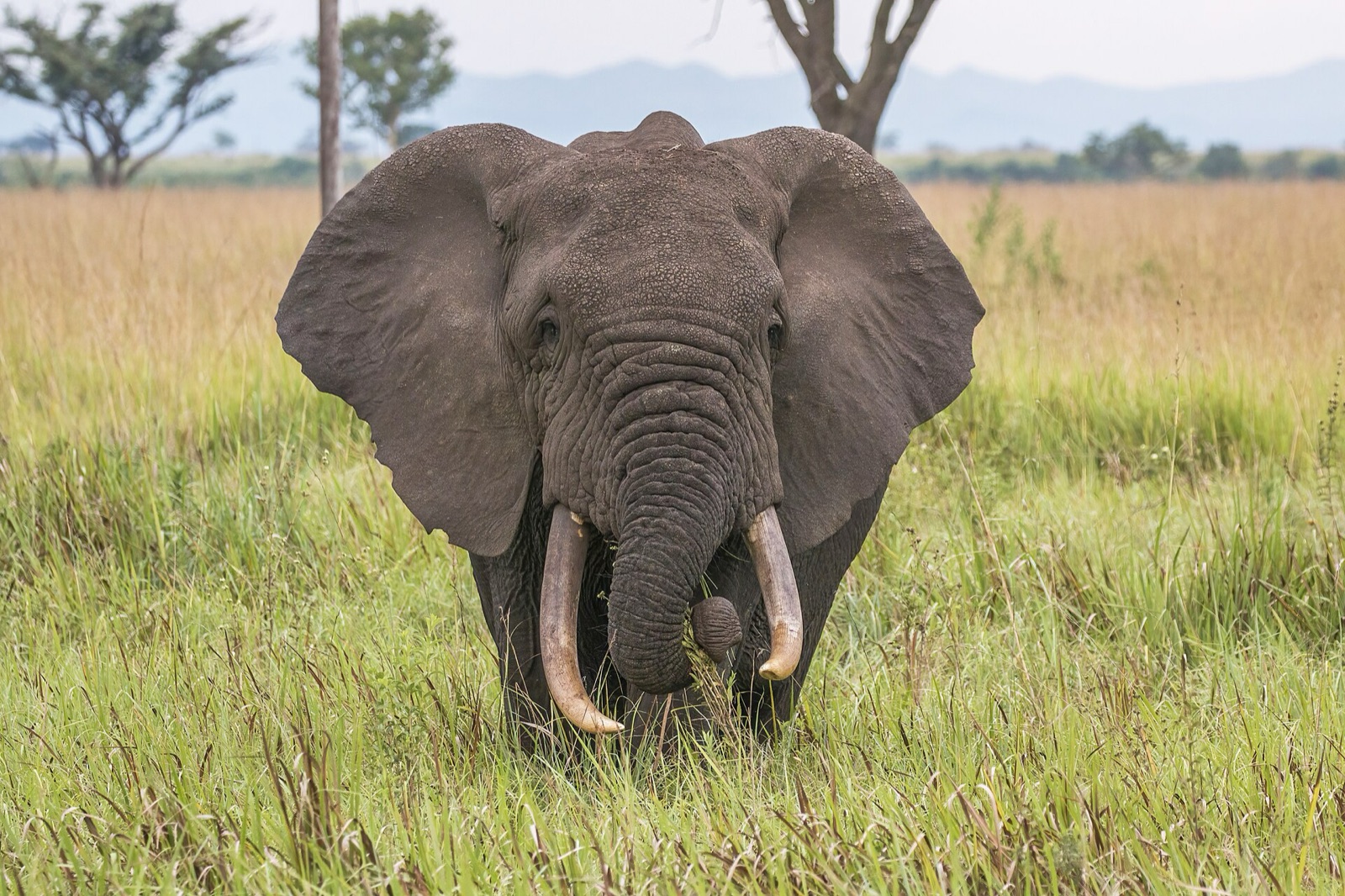
Entebbe — A parcel of ivory weighing 10 kilograms was stopped at Entebbe in January 2025 on its way to Cairo. To convict the person who sent it, prosecutors had to prove what it was.
That job fell to the Uganda Wildlife Forensics and Timber Laboratory. Its scientists confirmed by DNA that the ivory came from an elephant. The sender was sentenced to 15 years in prison or a fine of 140 million Ugandan shillings, about $35,000.
Evidence that cannot be argued away
The laboratory began as a pilot in 2019. An expanded facility, which can also analyse timber, opened in April this year.
Its staff use DNA analysis alongside simpler methods, such as reading the cross-hatched pattern that marks real ivory. Samples are photographed, sealed and moved under strict procedures so that the evidence stands up in court.
Most of what arrives is elephant ivory, bushmeat and pangolin scales, with some primates and birds.
A moving target
The work has become harder. "Poachers are removing identification features from wildlife carcasses to evade detection," said the laboratory's manager, Patrick Chiyo.
That is where DNA makes the difference. In a 2023 case, investigators recovered six animal skins, heads, meat and a foetus. Analysis showed they came from bushbuck. The suspect was jailed for three years.
What the court says
Uganda has a court that deals only with wildlife crime. Its chief magistrate, Gladys Kamasanyu, says the laboratory is "critical to the criminal justice system", because it provides "objective, scientifically validated evidence to protect Uganda's natural heritage".
The laboratory has been supported since 2019 by the UN Office on Drugs and Crime, with funding from Denmark and the European Union and help from the TRACE Wildlife Forensics Network.
Source: UN News, 3 October 2026.