Bundibugyo: the Ebola strain with no vaccine
The virus behind the outbreak in DR Congo is a rarer cousin of the one the world learned to vaccinate against. Here is what is known about it.
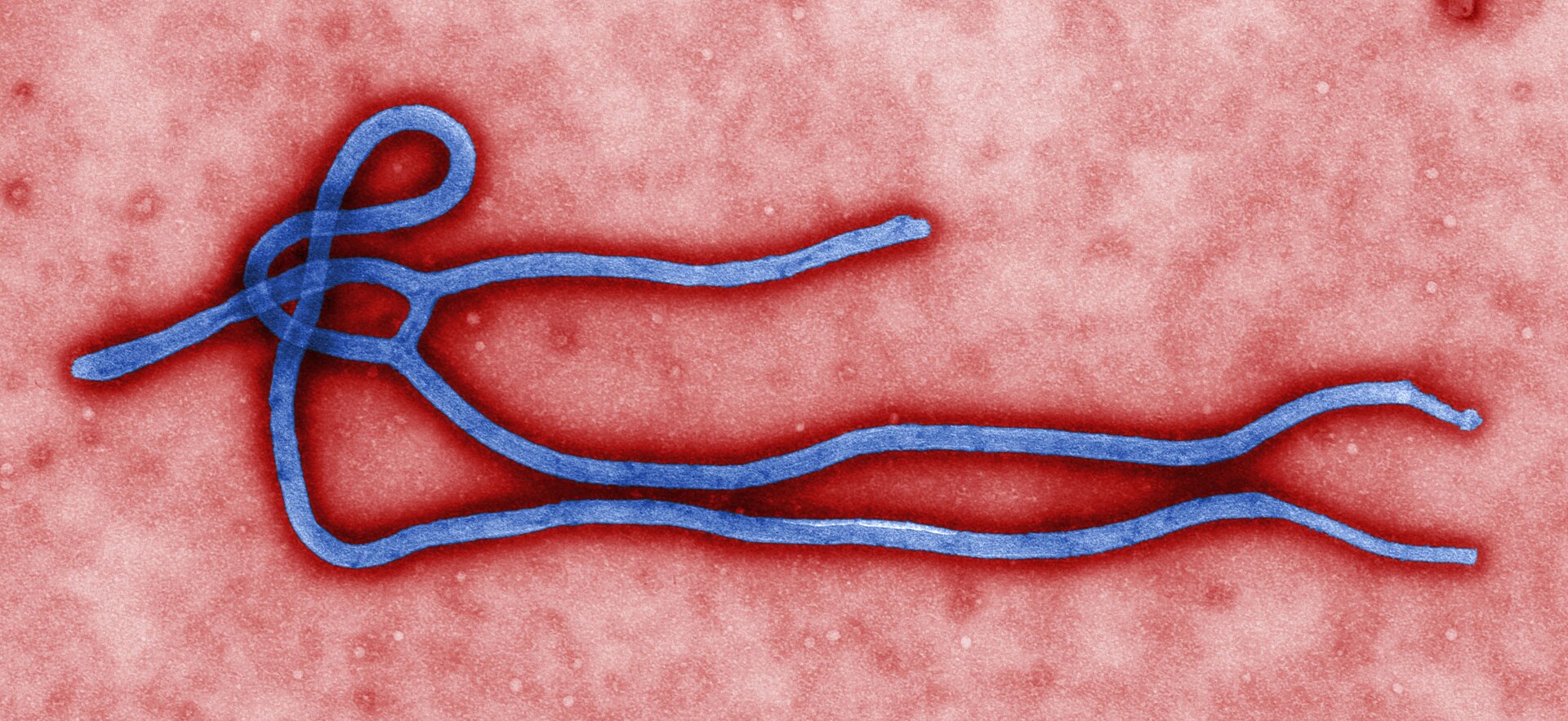
PANM — The word Ebola covers more than one virus. The outbreak now spreading in the Democratic Republic of Congo is caused by one of the less common ones, the Bundibugyo virus, and that changes what health workers can do about it.
What it is
Bundibugyo virus disease is a severe form of Ebola. Like the others it is thought to come from fruit bats. People are first infected through contact with the blood or fluids of infected wild animals. It then passes from person to person through direct contact with blood, body fluids or organs, or with surfaces contaminated by them.
How it shows itself
Symptoms appear between two and 21 days after infection. They begin with fever, tiredness, muscle pain, headache and a sore throat.
That is the difficulty. In its first days the disease looks like malaria or any of the other fevers common in the region. The World Health Organization says it cannot be told apart from them without a laboratory test. Later come vomiting and diarrhoea, organ failure and in some cases bleeding.
How deadly it is
In the current outbreak 48.2% of confirmed patients have died. An earlier outbreak in Congo, in 2012, killed about half of those infected. An earlier one in Uganda killed about 30%.
It is the largest Ebola outbreak Congo has recorded, with 8,728 confirmed cases by 6 October.
Why there is no vaccine
"No approved vaccines or specific treatments currently exist" for the disease, the WHO says.
Work is under way. Patients in Congo are being enrolled in a trial of possible treatments, and a WHO expert group met for the third time on 31 July to decide which candidate vaccines to prioritise.
What works in the meantime
Without a vaccine, control depends on older methods: finding cases fast, isolating and caring for them, tracing everyone they have been in contact with for 21 days, burying the dead safely and winning the trust of communities.
Care matters too. The WHO says that recognising cases quickly, testing them and giving good supportive treatment reduces deaths, and makes people more willing to come forward.
Should people stop travelling?
No, according to the WHO. It advises against any restriction on travel to or trade with the affected countries, and rates the risk outside Congo's neighbours as low.
Source: World Health Organization, Disease Outbreak News, 8 October 2026.