Kaniola–Nindja: Walungu remembers its dead and demands peace, justice and reparations
As survivors gather to honour the victims of the Kaniola and Nindja massacres, Patricia Maisha, candidate for national deputy for Walungu, calls for an end to fear and impunity in a territory where civilians are still being killed.
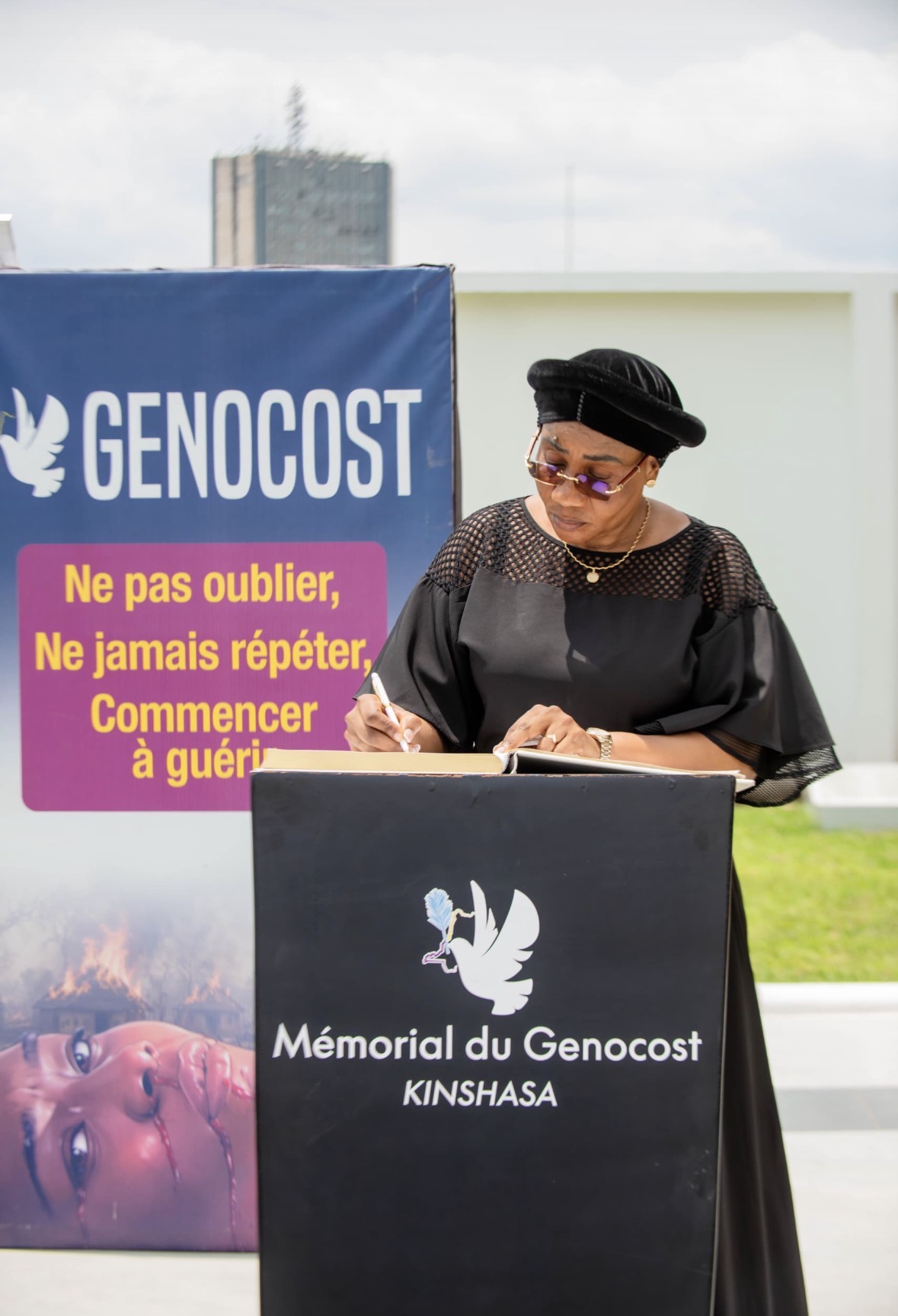
Kinshasa — Every year on October 10, the communities of Kaniola and Nindja, in Walungu territory, South Kivu, gather to remember the civilians killed in the massacres that devastated their villages. This year, the commemoration carries a heavier message: the violence has never truly stopped.
Patricia Maisha, candidate for national deputy for Walungu, used the occasion to speak for a population she says has carried its wounds for three decades. Her message was direct: the people of Walungu refuse to keep living in fear and uncertainty, and they demand peace, justice and reparations. She called for an end to a reality in which counting the dead and announcing new tragedies has become routine.
A tragedy that marked a generation
Kaniola lies about 50 kilometres from Bukavu. In October 2006, armed men identified locally as fighters of the Democratic Forces for the Liberation of Rwanda (FDLR) carried out mass killings and abductions in Kaniola and the neighbouring area of Nindja. Local accounts reported by Actualite.cd put the toll at more than 500 people, and several mass graves were later discovered in the area.
The violence in the area goes back further. The massacres of Kaniola and Nindja are documented in the UN Mapping Report, which catalogues more than 600 serious crimes committed in the DRC between 1993 and 2003. For Walungu, the "thirty years of wounds" invoked by Patricia Maisha refer to this long cycle of violence that began with the wars of the 1990s.
Survivors have for years asked for an international criminal tribunal, recognition of the victims, reparations and development projects for their villages. Two decades later, those demands remain largely unmet.
Killings that continue today
The commemoration takes place against a backdrop of fresh violence. In September 2026, the South Kivu provincial government denounced a new massacre of civilians in Kaniola during the night of September 6 to 7, which it attributed to the AFC/M23 rebellion. It called on the national government to urgently protect civilians and asked the United Nations, MONUSCO and human rights organisations to investigate.
Earlier, in November 2025, the civil society coalition Pamoja kwa Amani reported summary executions in Kaniola attributed to AFC/M23 elements.
For the people of Walungu, the armed groups have changed over the years, but the fear has stayed.
Three demands: peace, justice, reparation
Patricia Maisha's message is built around three demands that echo those of survivors for two decades.
- Peace: restoring security so that families can live, farm and send their children to school without fear.
- Justice: ending impunity for the crimes committed in Kaniola and Nindja, past and present.
- Reparation: recognising the victims and supporting survivors and their communities.
Her call goes beyond remembrance. It is a refusal to accept that violence in Walungu should be treated as normal, or that each new tragedy should simply be announced, counted and forgotten.
Commemorating the dead is a duty. Making sure there are no more to commemorate is the real test.
Thirty years on, Walungu is still waiting for peace, justice and reparation. The question now is whether those in power will finally answer.