ICC tells member states its fate is in their hands
Sanctioned by Washington as an institution, the court says it will not be deterred. The US says allies must rein it in or watch it be dismantled "brick by brick".
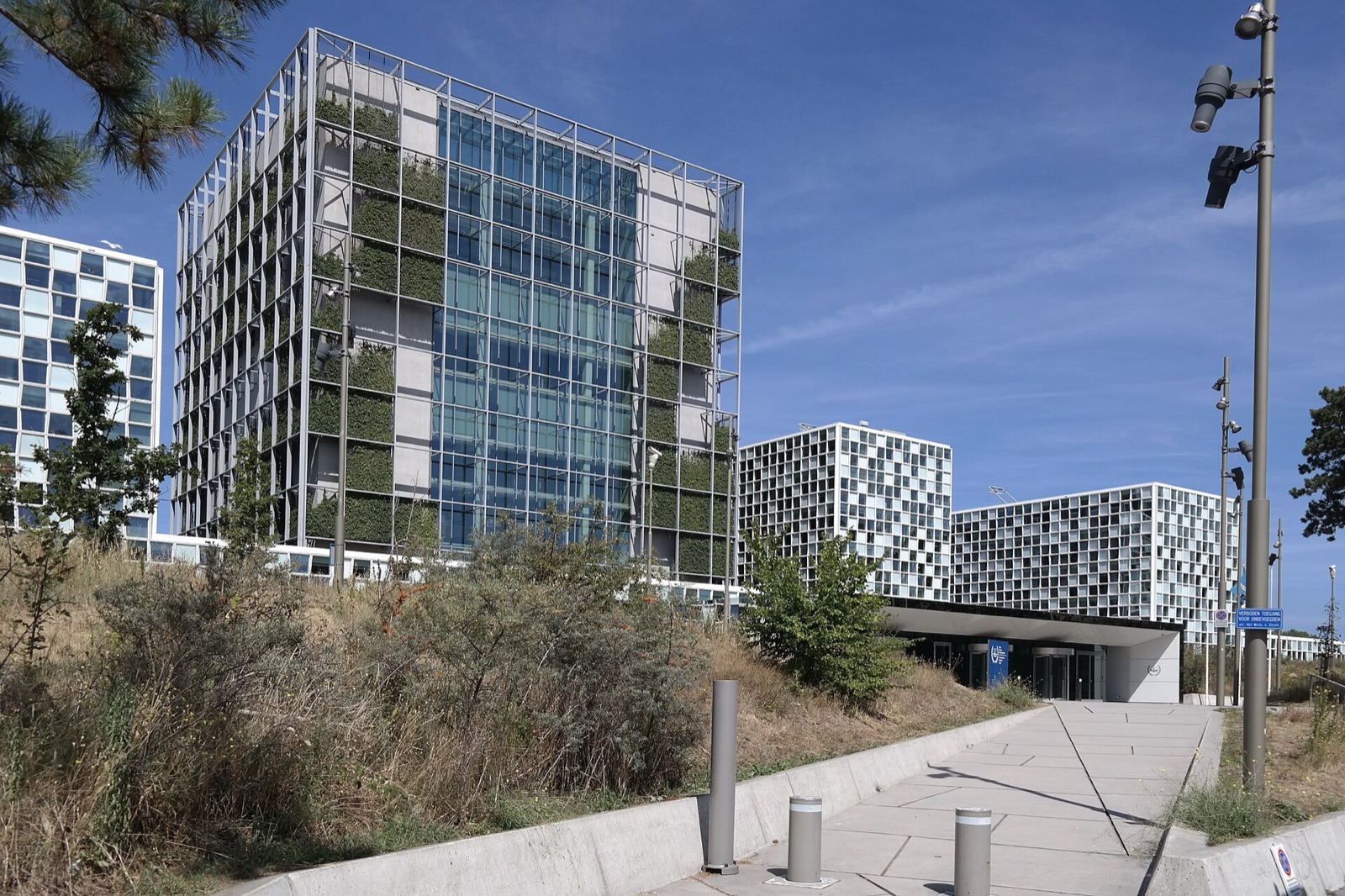
The Hague — The International Criminal Court has told the 125 countries that belong to it that its survival now depends on them, after the United States placed sanctions on the court itself.
"The Court cannot stand alone," it said in a statement on Friday. "Its fate now rests also in the hands of the States that created it."
It called the US move "an assault on the rule of law" and an attempt to obstruct justice and to intimidate those who work for the court or cooperate with it.
"The Court will continue to fully discharge its mandate, with independence and impartiality, acting only on the basis of the law and the evidence, for the sake of the countless victims of grave crimes," said its president, Judge Tomoko Akane.
What Washington said
The sanctions were announced by the US Secretary of State, Marco Rubio. Until now Washington had sanctioned individuals. The court says thirteen of its judges and prosecutors had already been designated.
"We will ban transactions with this rogue court, cutting off their resources and crippling its ability to operate," Rubio said.
His statement makes clear that the pressure is aimed at the court's members as much as at the court. The US, he said, had held back for more than a year in the hope that the court would change course or be restrained by its member states, and had designed the measure to leave room for them to negotiate.
"We expect our allies, many of whom are part of the ICC and that rely on American servicemembers for their defense, to rein in the court," he said. If they do not, the US "will continue its campaign to dismantle the ICC, brick by brick".
What the court is asking for
The court asked its members to keep taking "concrete actions", including making sure it has the means to go on working. It said it had already made considerable efforts with them to keep its operations running.
"History will judge this moment," the statement said. Victims of mass atrocities "will ask how we responded when an institution created to protect them came under attack".
Africa's voice
The sanctions came on the day Navi Pillay, a South African former judge of the court, won the Nobel Peace Prize.
The chairperson of the African Union Commission, Mahmoud Ali Youssouf, congratulated her on Saturday, saying her work on accountability for genocide and crimes against humanity had "helped strengthen the foundations of international justice". Lasting peace, he said, "must be grounded in justice, accountability and respect for the rule of law".
His statement did not mention the sanctions.
Sources: International Criminal Court statement, 9 October 2026; US Department of State, 9 October 2026; African Union Commission, 10 October 2026.