Africa's first seed summit backs a continental gene bank
Governments meeting in Eswatini agreed to link national seed banks, breed climate-hardy varieties and make it easier to trade seed across borders.
Ezulwini — African governments have agreed to build a continental seed and gene bank system, at the first Africa Seed Summit, held in Eswatini from 5 to 7 October.
The summit was convened by the African Union Commission and the Kingdom of Eswatini under the theme "Resilient Seed Systems for a Food Secure Africa".
"No fertilizer, irrigation or machinery can make up for poor seed," King Mswati III said as he opened it.
What was agreed
The meeting adopted the Ezulwini Outcome Document. It commits governments to:
- invest more in plant breeding and in seed companies;
- support varieties that can withstand a changing climate;
- create an integrated African Seed and Gene Bank System, linking national and regional banks under a continental institution;
- bring national seed rules into line with each other and lower the barriers to trading seed within Africa;
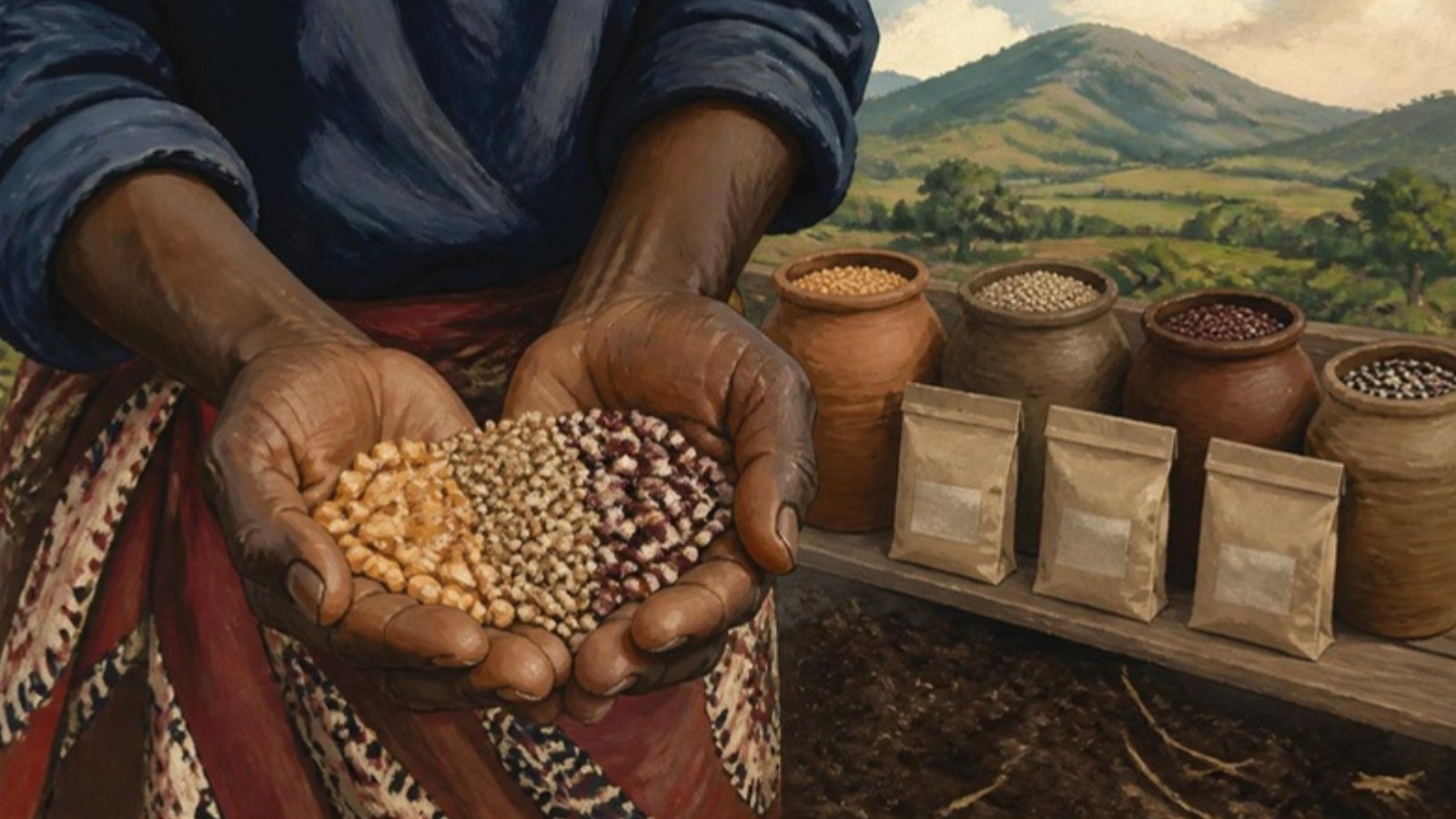
- support the seed systems farmers run themselves, including community seed banks.
Seed first
The argument running through the summit was that seed is where food security starts.
Speaking for the chairperson of the African Union Commission, Ambassador Selma Malika Haddadi said farmers' access to quality seed had to be at the centre, and called for investment in research, breeding, testing, certification and advice to farmers.
King Mswati asked for the wider system to be fixed with it: soil testing, dams, better storage and transport. He pointed to Eswatini's own work to upgrade its gene banks and train groups of farmers to produce seed.
What comes next
The African Union's commissioner for agriculture, Moses Vilakati, called the document "the start of a new phase of implementation" and pledged the commission's "full commitment".
The announcement does not put a figure on the investment or set a date for the gene bank system.
Source: African Union Commission, 7 October 2026.