The Serengeti: 1.5 million wildebeest and the endless plains
Tanzania's best-known park hosts the world's largest annual animal migration and Africa's largest lion population.
Lire cet article en français →
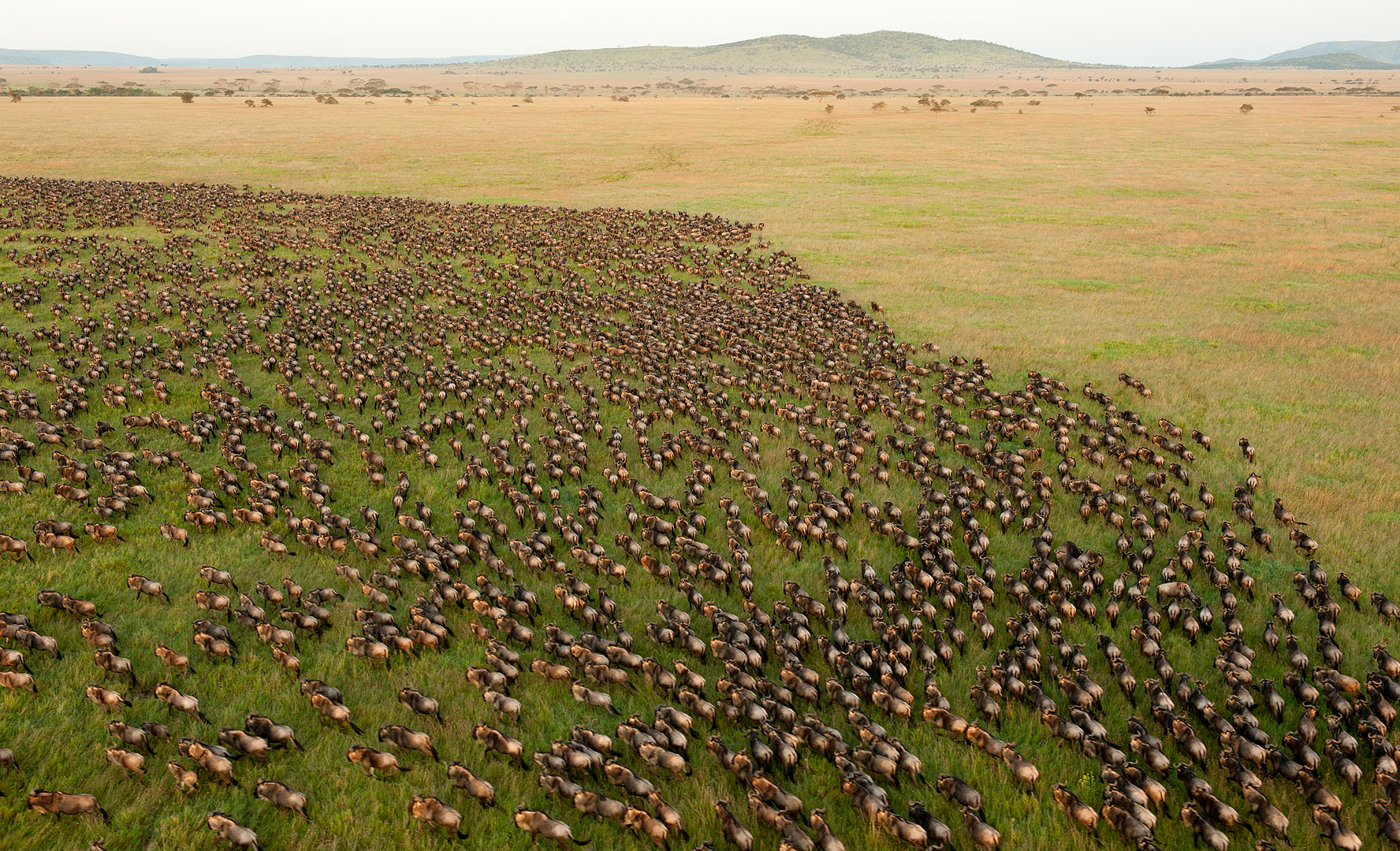
Arusha — The Serengeti National Park in northern Tanzania covers more than 14,700 square kilometres of savanna. Its name is often said to come from the Maasai word siringet, "the place where the land runs on forever".
The greatest migration on Earth
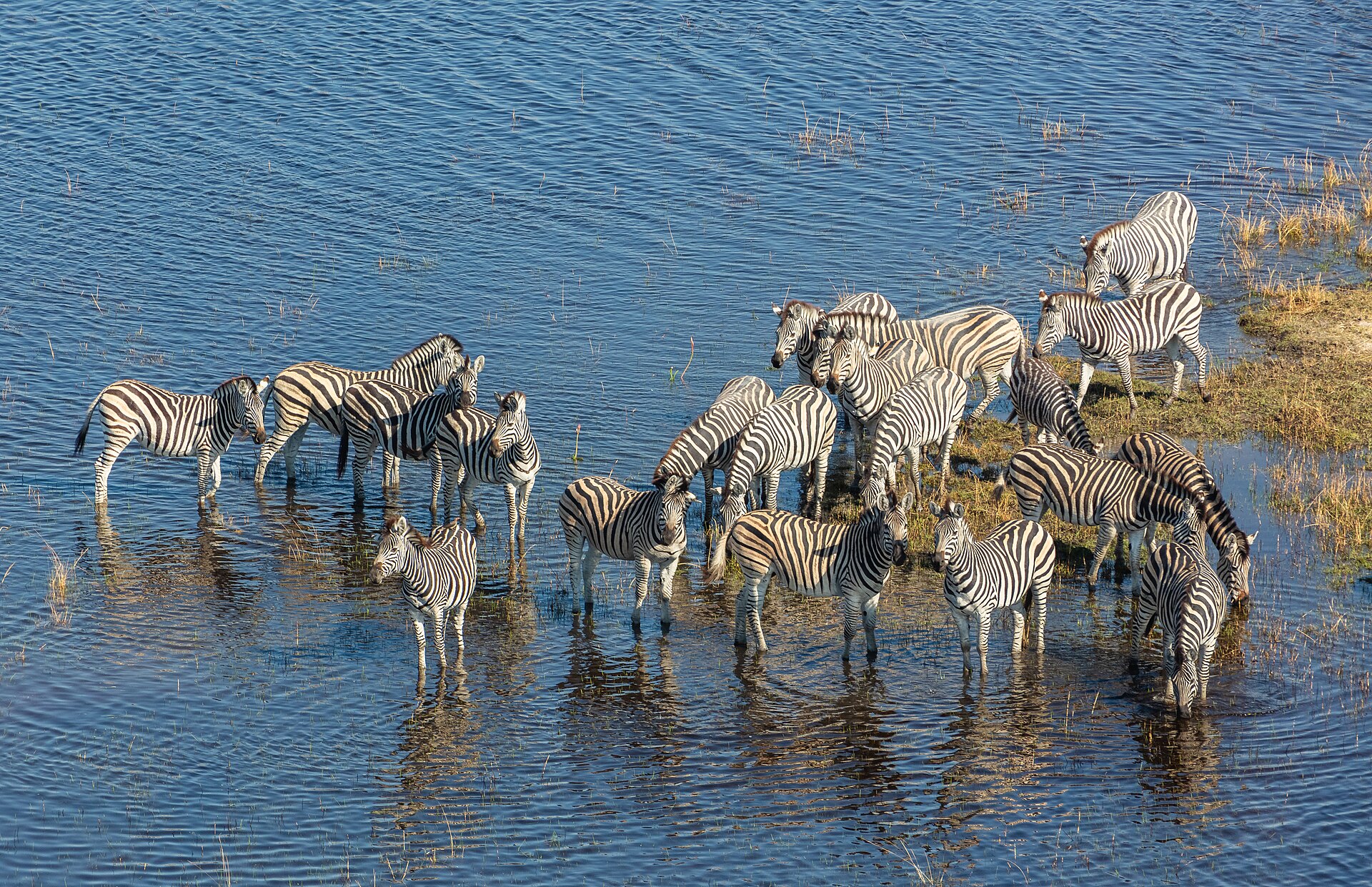
The Serengeti is famous for the largest annual animal migration in the world. More than 1.5 million wildebeest, about 250,000 zebras and between 400,000 and 500,000 Thomson's gazelles move across the plains each year in search of grazing and water, along with smaller herds of eland. The park is also home to the largest lion population in Africa.
Together with Tanzania's Ngorongoro Conservation Area and Kenya's Maasai Mara reserve, it forms the stage for this Great Migration.
A park and its people
The Serengeti became a national park in 1940, and its boundaries were settled in 1951. The movements of the resident Maasai people were restricted. In 1959 an area of 8,300 square kilometres in the east was separated to create the Ngorongoro Conservation Area, so that Maasai herders could continue their traditional land use there.
In 1966 the Serengeti Research Institute opened at Seronera to study the migration.
Today the park faces pressures from deforestation, population growth, poaching and ranching. Protecting it remains one of Tanzania's great conservation tasks, and one of the world's.
Background: Wikipedia.