Chinua Achebe and Things Fall Apart: Africa telling its own story
His 1958 novel is the most widely read African novel, and his work at Heinemann launched a generation of African writers.
Lire cet article en français →
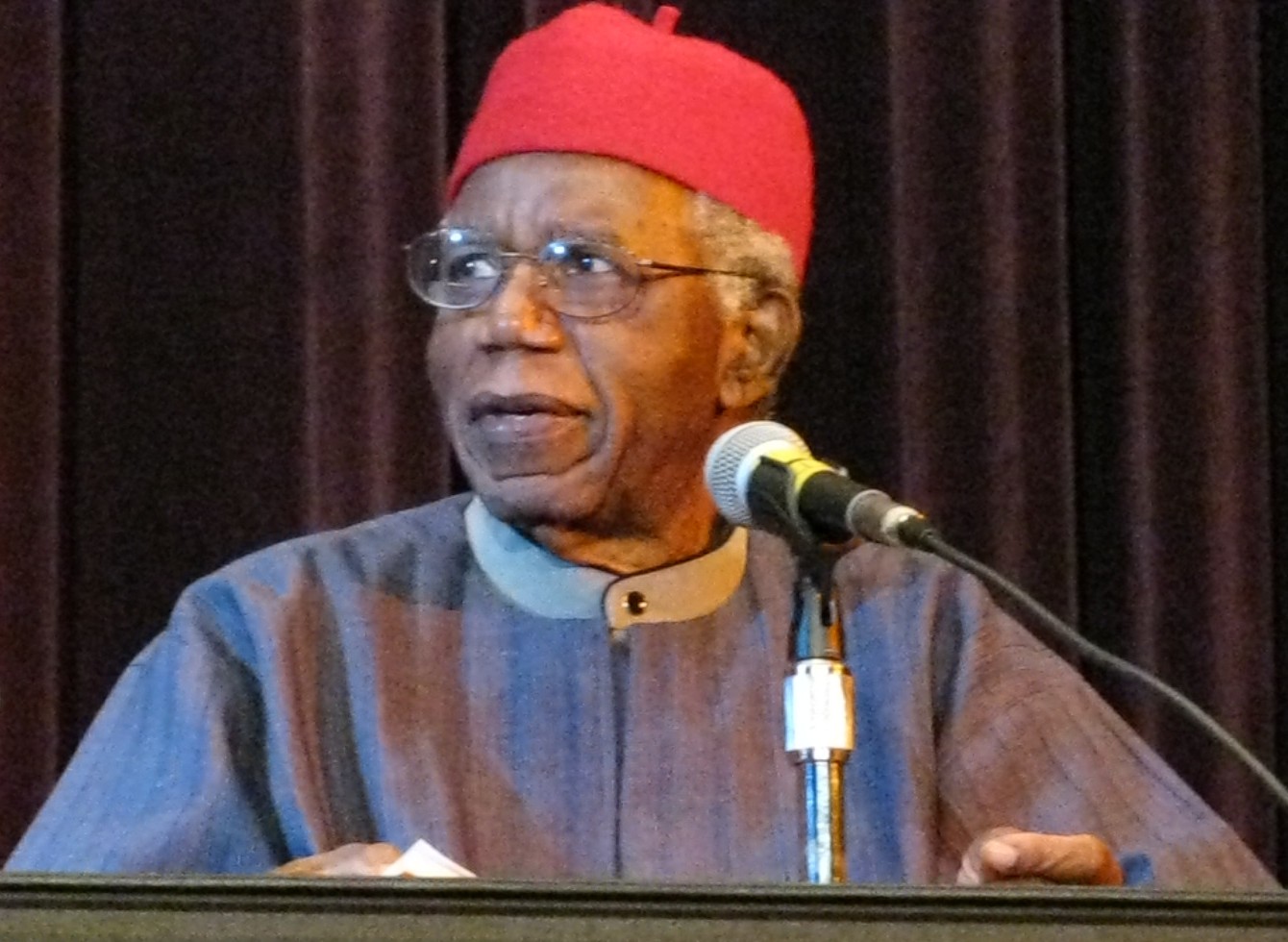
Enugu — Chinua Achebe, born in Ogidi in south-eastern Nigeria on 16 November 1930, is regarded as a central figure of modern African literature. His first novel, Things Fall Apart (1958), remains the most widely studied, translated and read African novel.
Writing back
Achebe grew up between Igbo tradition and colonial Christianity. At what is now the University of Ibadan he became fiercely critical of how Western literature portrayed Africa, and set out to escape the colonial lens. Things Fall Apart tells the story of an Igbo community and a proud man, Okonkwo, at the moment colonialism arrives, from the inside.
Together with No Longer at Ease (1960) and Arrow of God (1964), it forms his "African Trilogy". Later novels include A Man of the People (1966) and Anthills of the Savannah (1987).
Opening doors for others
After university Achebe worked for the Nigerian Broadcasting Service in Lagos. With the publisher Heinemann he helped launch the African Writers Series, which boosted the careers of writers such as Ngũgĩ wa Thiong'o and Flora Nwapa and put African literature on bookshelves around the world.
Achebe is often called the "father of modern African literature", a title he firmly rejected. He died on 21 March 2013. More than six decades after it was published, Things Fall Apart is still the first African novel many readers ever open.
Background: Wikipedia.