Every dollar spent on cleaner air could return $26 in southern Africa
Cleaner cooking, better transport and smarter waste handling cut both air pollution and emissions. Ghana's shift from charcoal to gas shows the gains are real.
PANM — Air pollution caused nearly 1 million premature deaths in sub-Saharan Africa in 2023, and it is the region's second-largest health risk after malnutrition. The good news, say Chris Malley, Caroline Sawe and Kevin Hicks of the University of York and the Stockholm Environment Institute in The Conversation, is that fixing it pays off, and fixes the climate problem at the same time.
The return
In parts of southern Africa, each dollar spent on cutting air pollution could bring about $26 in economic benefits. Childhood vaccination, one of the best investments in health, returns about $16. Carrying out all 25 proven measures across southern Africa would cost about $11 billion by 2035.
Why it works twice
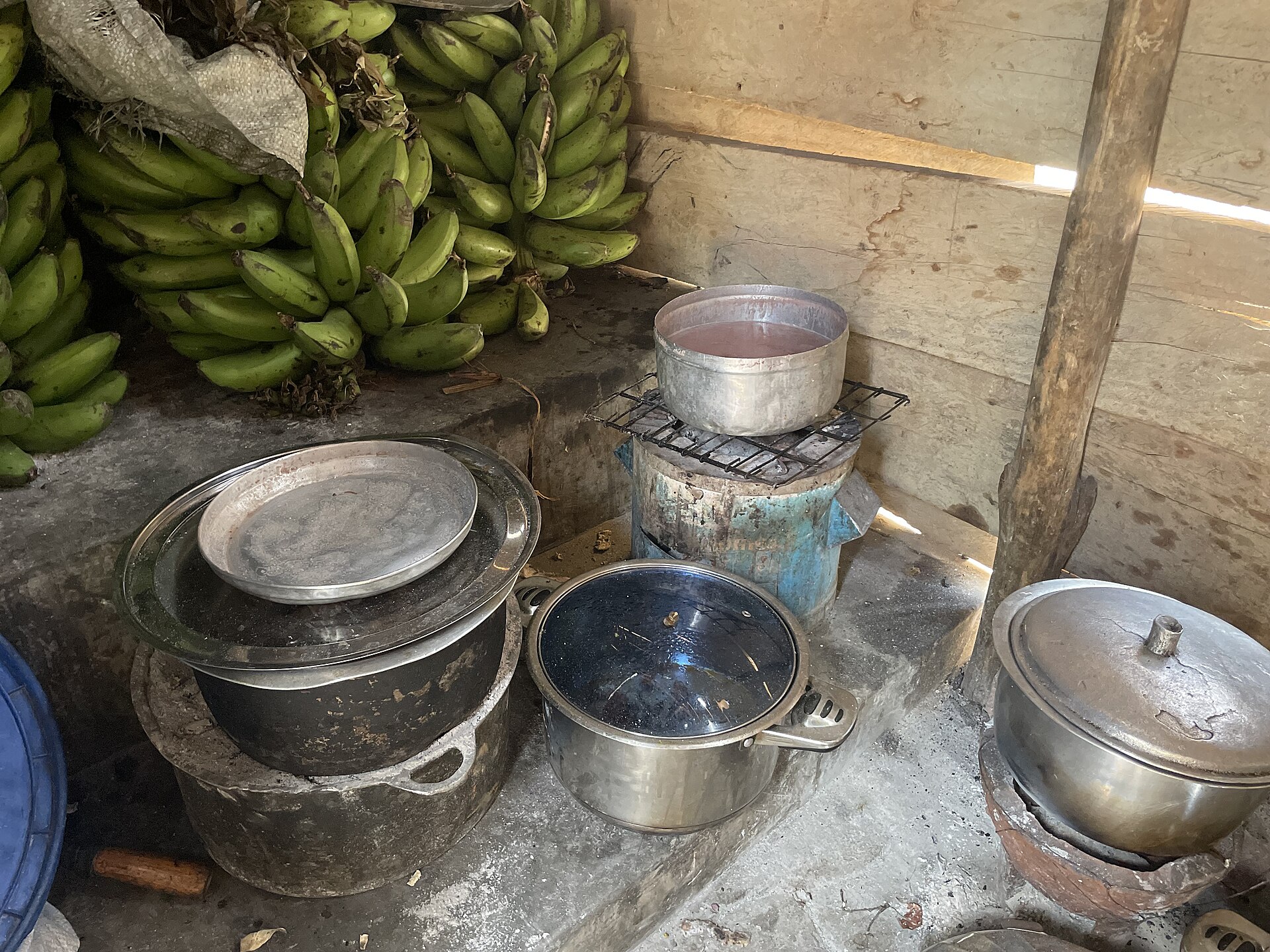
Most pollution in the region comes from household cooking with wood and charcoal, with the rest from industry, power, transport, farming and waste. These are also the main sources of greenhouse gases, so the same actions cut both: cleaner cooking, better public transport, renewable power, moving freight to rail, efficient factories, ending crop burning, and composting, biogas and capturing gas from dumps.
Ghana leads the way
Between 2000 and 2021, the share of Ghanaian households cooking with wood or charcoal fell from 75% to 54%, and use of LPG gas doubled. Deaths from household air pollution are estimated to have dropped by about 30%. Côte d'Ivoire's national climate plans, fully carried out, could avoid about 7,000 early deaths a year, and Nigeria has used the same combined approach.
Unlocking the money
Only about 1% of international development finance goes to air pollution. The authors want development banks and climate funds to count the combined health and climate benefits, and countries to cost their plans sector by sector to show funders what the money would deliver.
Source: The Conversation, 18 October 2026.