San master trackers help scientists read ice-age lion tracks
On South Africa's southern Cape coast, Ju/'hoansi trackers from Namibia confirmed the only fossil lion tracksites known in southern Africa, one about 70,000 years old.
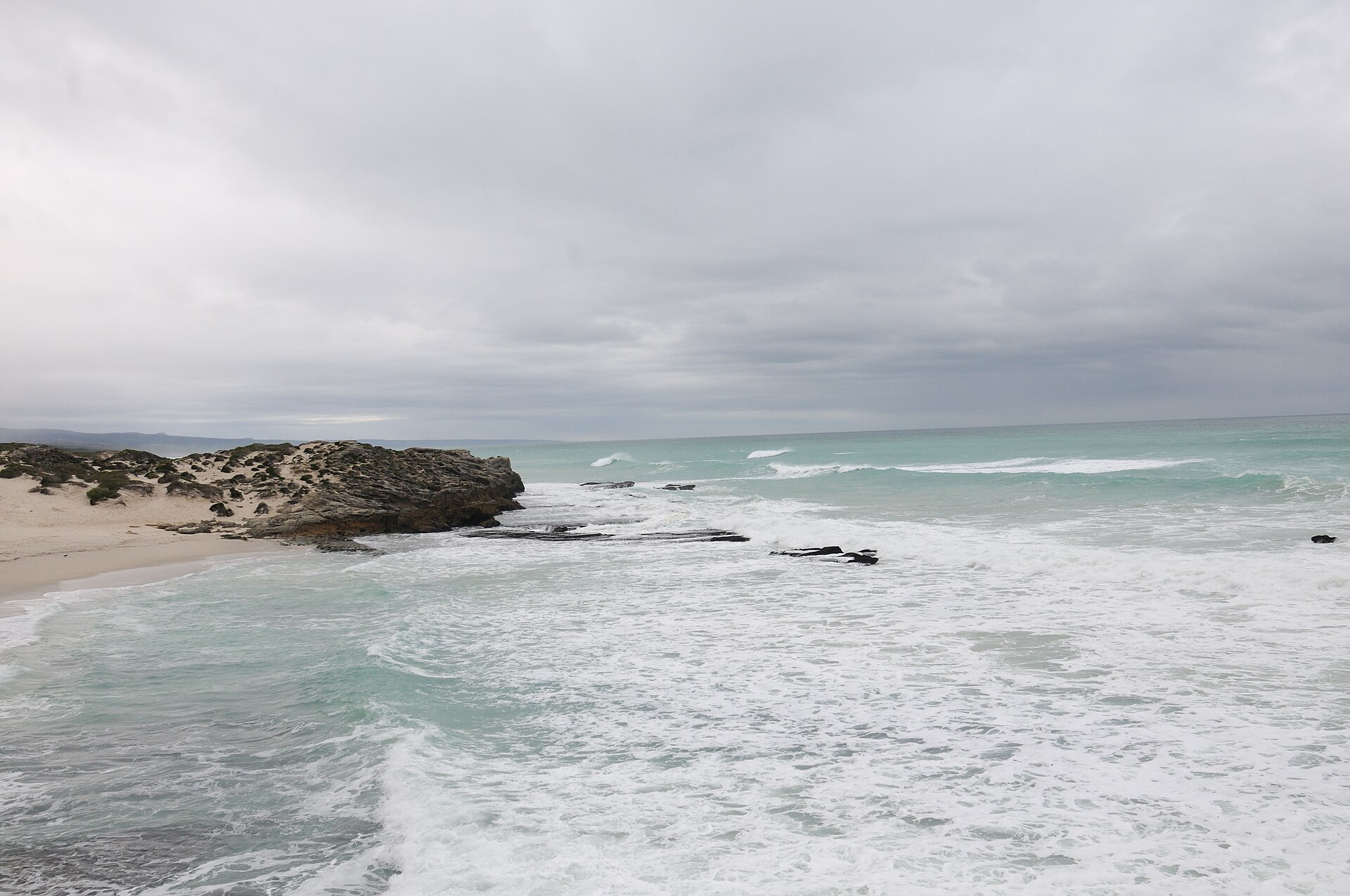
PANM — Lions have not roamed wild on South Africa's southern Cape coast for a long time. But they left their footprints in rock. A team from Nelson Mandela University and Wits has identified ice-age lion tracks at three sites, with the help of master trackers whose knowledge no laboratory can match, Charles Helm, Clive Thompson and Jan Carlo De Vynck write in The Conversation.
The trackers
#oma Daqm and /uce Nǂamce are Ju/'hoansi San trackers from the Nyae Nyae Conservancy in north-eastern Namibia, recognised as Indigenous Master Trackers by the nonprofit CyberTracker. They have worked with the team since 2023, examining each site, discussing the evidence in Ju/'hoan and giving their verdicts. The late Steve Kunta also took part.
What they found
- Goukamma Nature Reserve: the trackers confirmed lion tracks and identified both a male and a female.
- De Hoop Nature Reserve: two side-by-side prints pointing the same way were read as a lion crouching to pounce.
- Near Witsand: tracks no one had been able to identify were declared a lion tracksite, again with a male and a female.
- One site has been dated to about 70,000 years ago.
These are the only fossil lion tracksites reported in southern Africa; the only other one in Africa is in Tanzania.
Two ways of seeing
The Cape South Coast Ichnology Project has found more than 400 tracksites since 2008. Combining fossil-track science with San tracking knowledge, the authors say, has again proved its worth, giving a far richer picture of how ancient animals moved and behaved. The trackers will return to look for possible human tracks and for trackways of the extinct bloubok antelope.
Source: The Conversation, 15 October 2026.