The diaspora's $124bn could help Africa adapt to climate change
Remittances to Africa dwarf adaptation aid. A researcher explains when that money builds resilience, and how governments can help it go further.
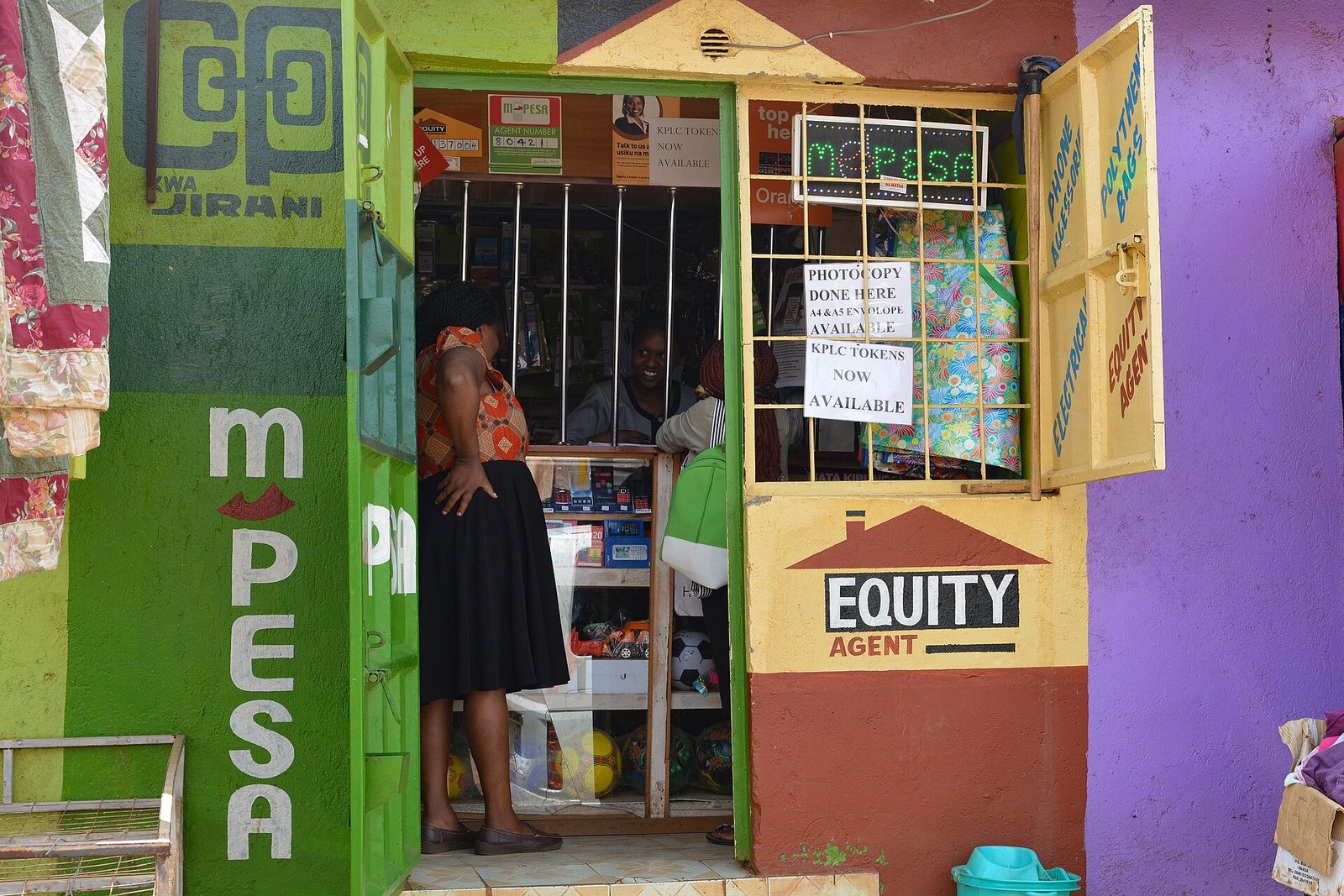
PANM — Africans abroad sent home $124.2 billion in 2025, according to IFAD. That is far more than the $26 billion in international public money for climate adaptation that went to all developing countries in 2023. Zack Ahmed of the Remitting for Resilience project at the Balsillie School of International Affairs asks in The Conversation how that money can help families cope with a changing climate.
What the research shows
- In Burkina Faso, remittances improved household food security and softened the effects of erratic weather.
- In Ghana, cash from relatives abroad improved food security and welfare at home, although the pressure to send money weighed on migrants' own budgets in Qatar.
- In Somalia, remittances fell after climate shocks, and mobile money alone did not strengthen coping.
The lesson: remittances help most when they can go into water, drought-resistant farming, insurance or new income sources, not only emergency food.
What already exists
ResilientRemit, a €4.26 million IFAD and EU programme launched in 2025, links remittances and diaspora investment with savings, credit, insurance and climate resilience, including in Senegal.
Five ideas
1. Cut the cost of sending money. Sub-Saharan Africa is the most expensive region in the world to receive remittances; the global target is 3% by 2030. 2. Count remittances in national adaptation plans. 3. Pair them with social protection, so migrants are not the only safety net. 4. Match collective remittances, when diaspora groups pool money for community projects, with public or climate-fund money. 5. Track all that flows home: money, goods, skills and care.
Ahmed stresses that remittances are private money and do not replace governments' duty to fund adaptation, but the diaspora's commitment to home is a strength worth building on.
Source: The Conversation, 6 October 2026.