Maps can find the children vaccines are missing
About 13.5 million children worldwide have never had a single vaccine. A review of 102 studies shows how better mapping, led by local researchers, could reach them.
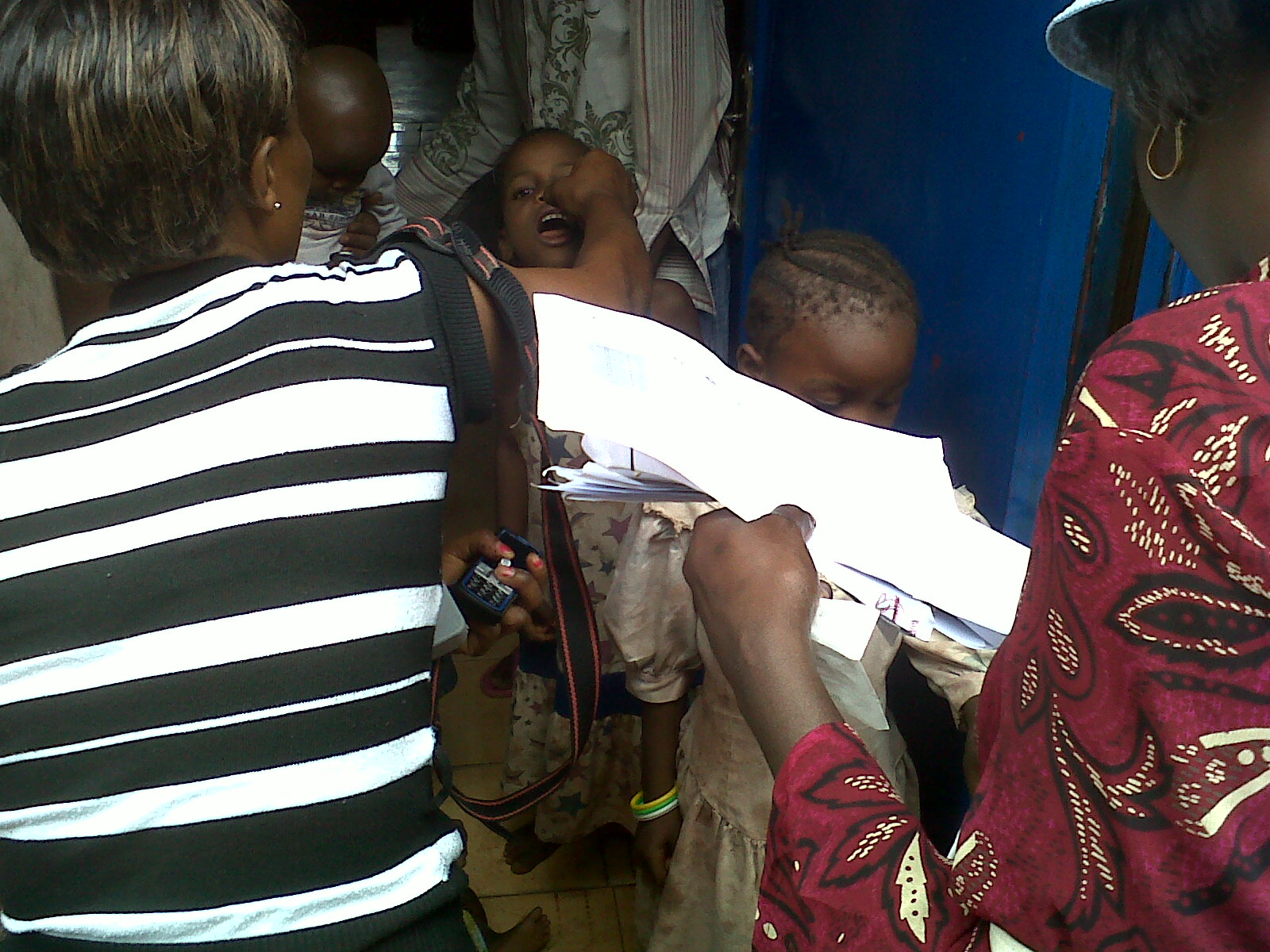
PANM — Some children have never received a single vaccine. Globally there are about 13.5 million of these "zero-dose" children, and they are often clustered in places national averages hide. In Kenya, the national figure was 2.1% of children aged 12 to 23 months in 2022, but Mandera and Garissa counties each exceeded 36%. Researchers on the REACH-OUT project write in The Conversation that mapping can show where to look.
Ann Muthoni Njogu and Peter M Macharia of the Institute of Tropical Medicine Antwerp and Carlo Federici of Bocconi University reviewed 102 studies from 68 countries that together have more than 80% of the world's zero-dose children. Most came from Nigeria, Ethiopia and India.
What they found
- Mapping is widely used for vaccination coverage, but only about one study in five focused on zero-dose children.
- Most relied on household surveys, which run every three to five years and are not designed to find small local pockets. Routine clinic data, such as from DHIS2, were rarely used.
- Nomadic families, refugees, people in conflict areas, migrants and residents of informal settlements were often missing.
Four fixes
1. Combine surveys and clinic data, and strengthen both. 2. Track individual children, not monthly totals, and better estimate how many children each clinic should reach. 3. Add conflict, displacement and settlement data, from satellite maps and displacement tracking, to the models. 4. Build mapping skills in the hardest-hit countries, with local researchers, health workers and community leaders.
Knowing exactly where unvaccinated children live is the first step to reaching them, and African researchers are leading that work.
Source: The Conversation, 19 October 2026.