Ngorongoro: a volcanic crater, a cradle of humankind
Tanzania's conservation area holds a vast caldera full of wildlife and Olduvai Gorge, one of the world's key sites for human origins.
Lire cet article en français →
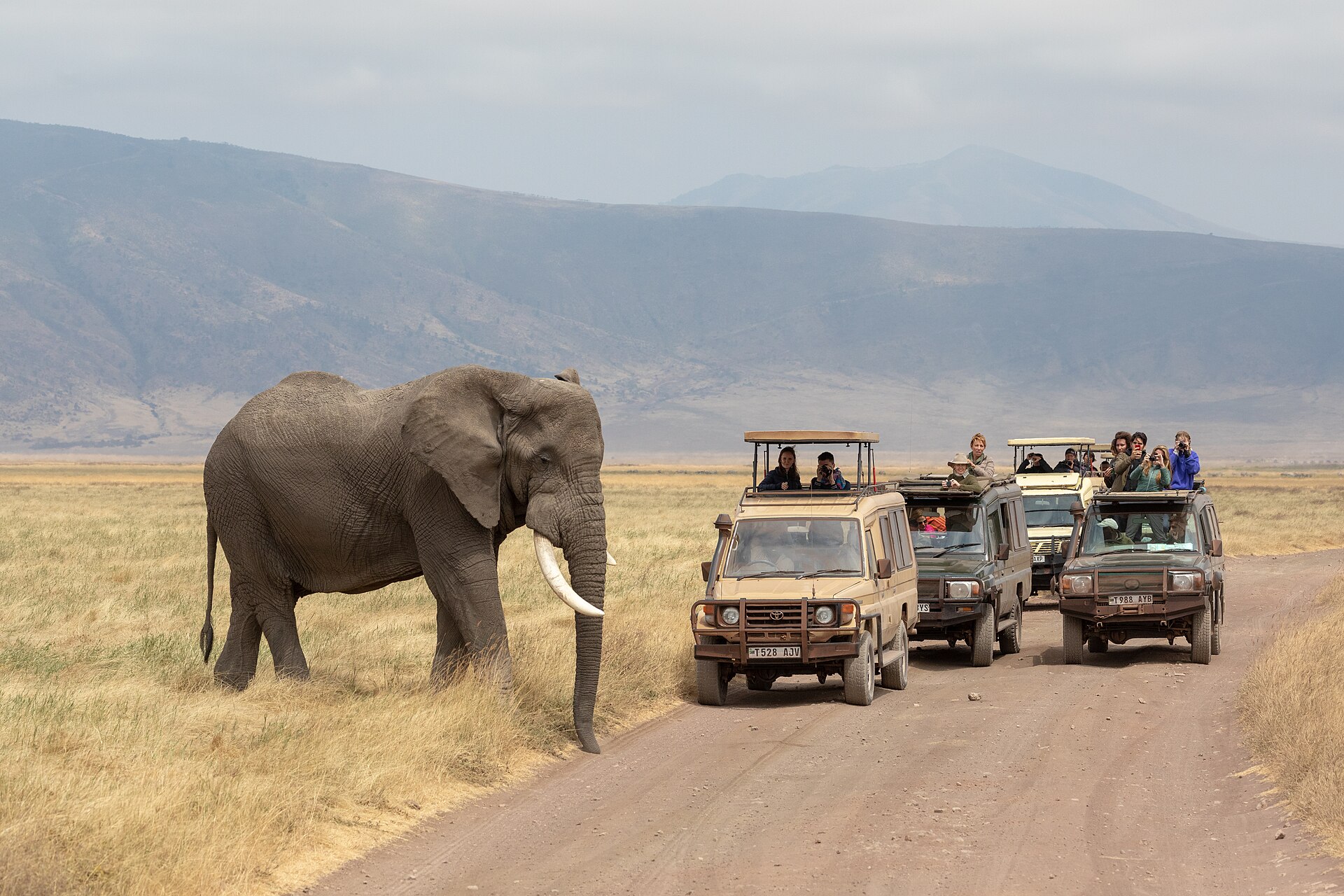
Arusha — About 180km west of Arusha, in the Crater Highlands of northern Tanzania, lies the Ngorongoro Conservation Area, named after the Ngorongoro Crater, a huge volcanic caldera.
Wildlife and the Great Migration
The area borders Serengeti National Park to the west. Together with the Serengeti and Kenya's Maasai Mara reserve, it forms the setting for the Great Migration of millions of wildebeest, zebras and gazelles. It is one of Tanzania's most popular attractions, with more than 752,000 visitors in 2023.
Olduvai Gorge
Ngorongoro also contains Olduvai Gorge, one of the most important sites in the world for the study of human origins. Fossils found there show that early human species lived in the area for more than a million years.
Twice a World Heritage Site
UNESCO first listed Ngorongoro in 1979 for its wildlife and the crater. In 2010 it became a mixed natural and cultural site, recognising the importance of Olduvai Gorge to the story of humankind.
People and the park
The area is run by the Ngorongoro Conservation Area Authority, part of the Tanzanian government. It was set aside in 1959 so that Maasai pastoralists could keep using the land alongside wildlife. A 2009 law placed new limits on settlement and farming in the crater, and balancing conservation with the Maasai way of life remains a sensitive question.
Background: Wikipedia.