The Congo River: the world's deepest river, and the only great river to cross the equator twice
Measured at around 220 metres deep, it drains a basin nearly the size of the European Union and holds about 800 kinds of fish.
Lire cet article en français →
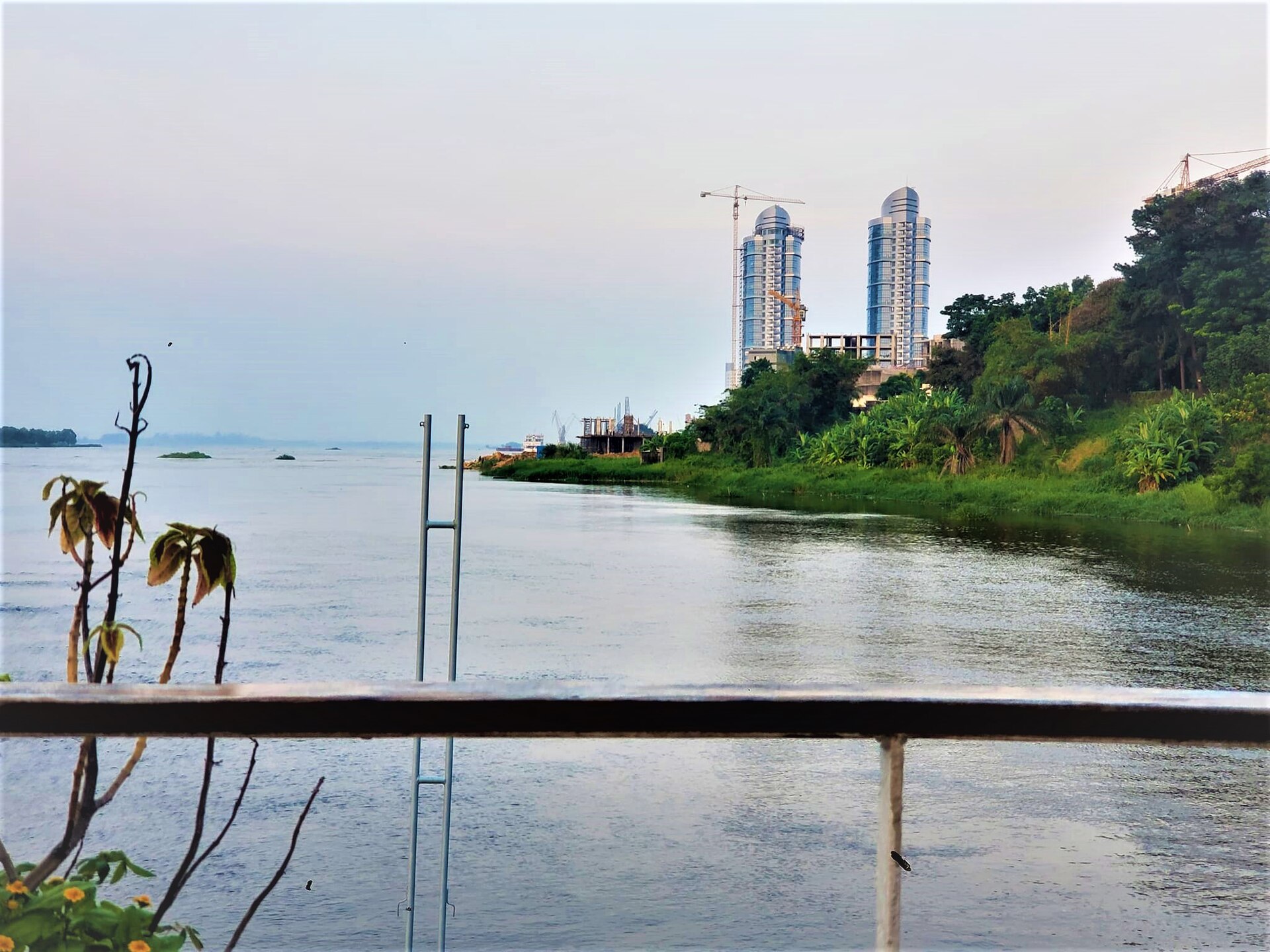
Kinshasa — The Congo River is Africa's second-longest river after the Nile, about 4,370 kilometres long, and the world's third-largest by the volume of water it carries, after the Amazon and the Ganges-Brahmaputra. It is also the deepest river ever measured, with depths of around 220 metres. And it is the only major river that crosses the equator twice.
A river that swallows rivers
Its basin covers about 4 million square kilometres, some 13% of Africa's land and close to the area of the European Union. The river rises in the highlands of the East African Rift and in Lakes Tanganyika and Mweru, which feed the Lualaba. Below Boyoma Falls, near Kisangani, the Lualaba becomes the Congo. The old name Zaire comes from a Portuguese version of the Kikongo nzere, "river", from nzadi o nzere, "the river that swallows rivers". The name Congo comes from the Kingdom of Kongo, which once lay on its southern bank. Two countries, the Democratic Republic of the Congo and the Republic of the Congo, are named after it.
Two capitals face to face
The river widens into Pool Malebo, where Kinshasa and Brazzaville face each other across the water. Below them, the Livingstone Falls tumble through canyons towards Matadi, Boma and the sea at Muanda. Upstream, the river is navigable for long stretches, especially between Kinshasa and Kisangani, and it remains a highway for people and goods.
Life and power
About 800 fish species have been recorded in the Congo basin, many found nowhere else, and large parts remain unstudied. The surrounding forests are home to the bonobo and the okapi. The basin also accounts for an estimated 13% of the world's hydropower potential; the largest plants so far are the Inga dams, about 200 kilometres south-west of Kinshasa.
Background: Wikipedia.