West Africa agrees to ban the trade in donkey skins
Ministers meeting in Lomé adopted three regional plans: to protect donkeys by 2030, and to control foot-and-mouth disease and bird flu from 2027.
Lire cet article en français →
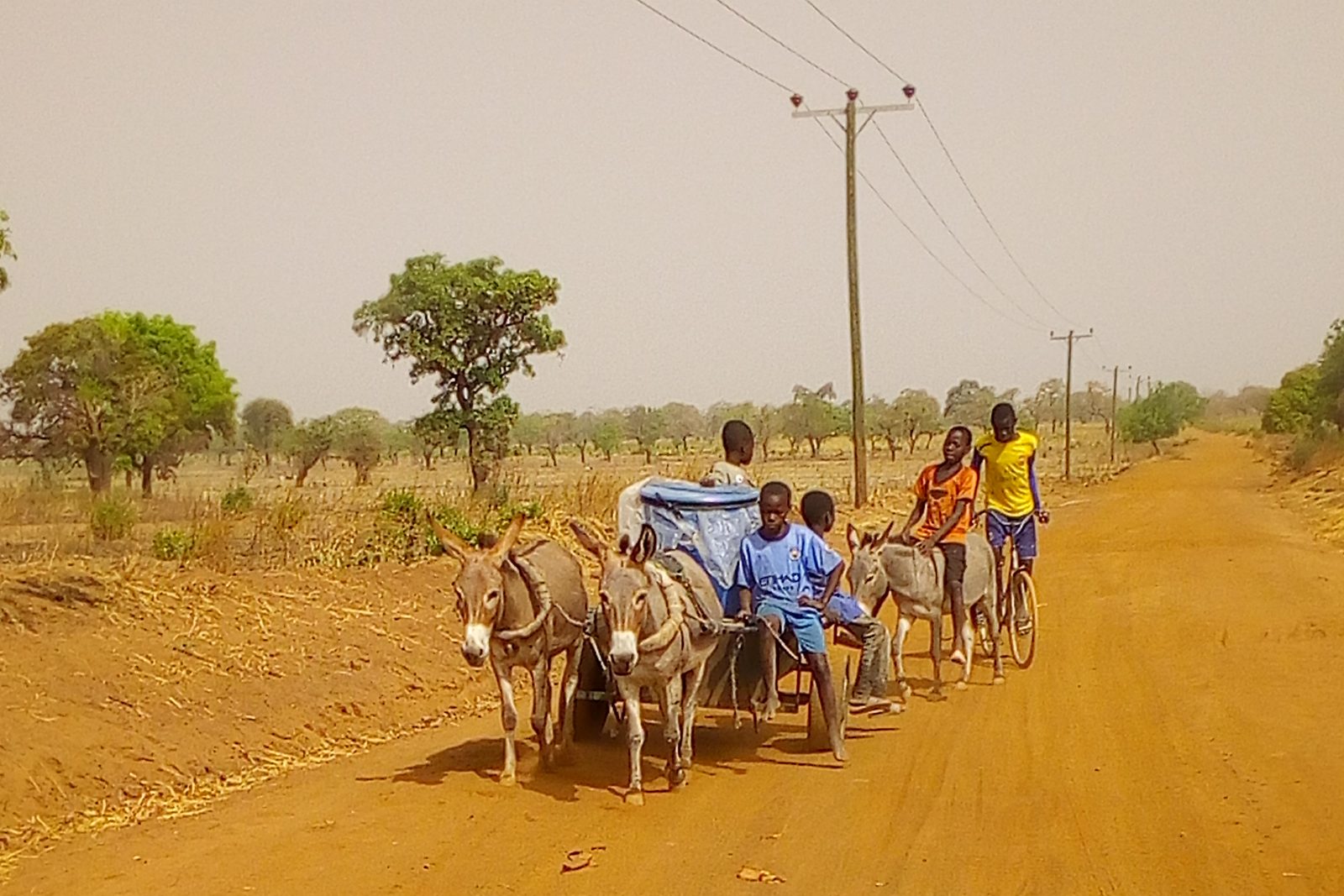
Lomé — West African ministers responsible for animal health have adopted a regional strategy to protect donkeys that commits their countries to banning the trade in donkey skins, the Economic Community of West African States has announced.
The ministers met in Lomé, the capital of Togo, on 8 October, at the end of the annual meeting of the region's animal health networks. They adopted three strategies:
- one for the protection and conservation of donkeys, with 2030 as its target date;
- one to prevent and control foot-and-mouth disease, running from 2027 to 2031;
- one to prevent and control avian influenza, also for 2027 to 2031.
The donkey plan
Banning the skin trade will take more than a declaration. The statement says it requires stronger national laws and cooperation across borders between veterinary services, police, customs and quarantine officers in each country.
The region's animal health centre, known by its initials RAHC, will carry out the plan, monitor it, report on it and raise money for it. Ministers agreed to work with outside technical and financial partners.
The statement describes four key actions but spells out only the ban.
Foot-and-mouth disease
For foot-and-mouth disease, member states committed to strengthening prevention, surveillance, biosecurity, diagnosis and vaccination.
Ministers recommended that each country name a national contact point linked to the regional framework, bring its own plan into line with the regional one, share data, and cooperate on the movement of animals. The approach is to be phased.
Bird flu
On avian influenza, countries again agreed to align their national systems with regional guidelines and to find money at home and abroad to pay for it.
Checking progress
The animal health centre will coordinate all three strategies. A mid-term review is planned for 2028 and a final evaluation for 2031.
The meeting was chaired by Senegal's deputy minister for livestock, Ousmane Diagne. Senegal currently holds the rotating presidency of the regional body. He described the decisions as a fundamental step for animal health and welfare in the region.
Source: ECOWAS, 12 October 2026.