Sent to countries they had never seen: US deportations to Africa
More than 500 people the US could not return home have been flown to African states instead, Human Rights Watch says. The US Supreme Court hears the case in December.
Lire cet article en français →
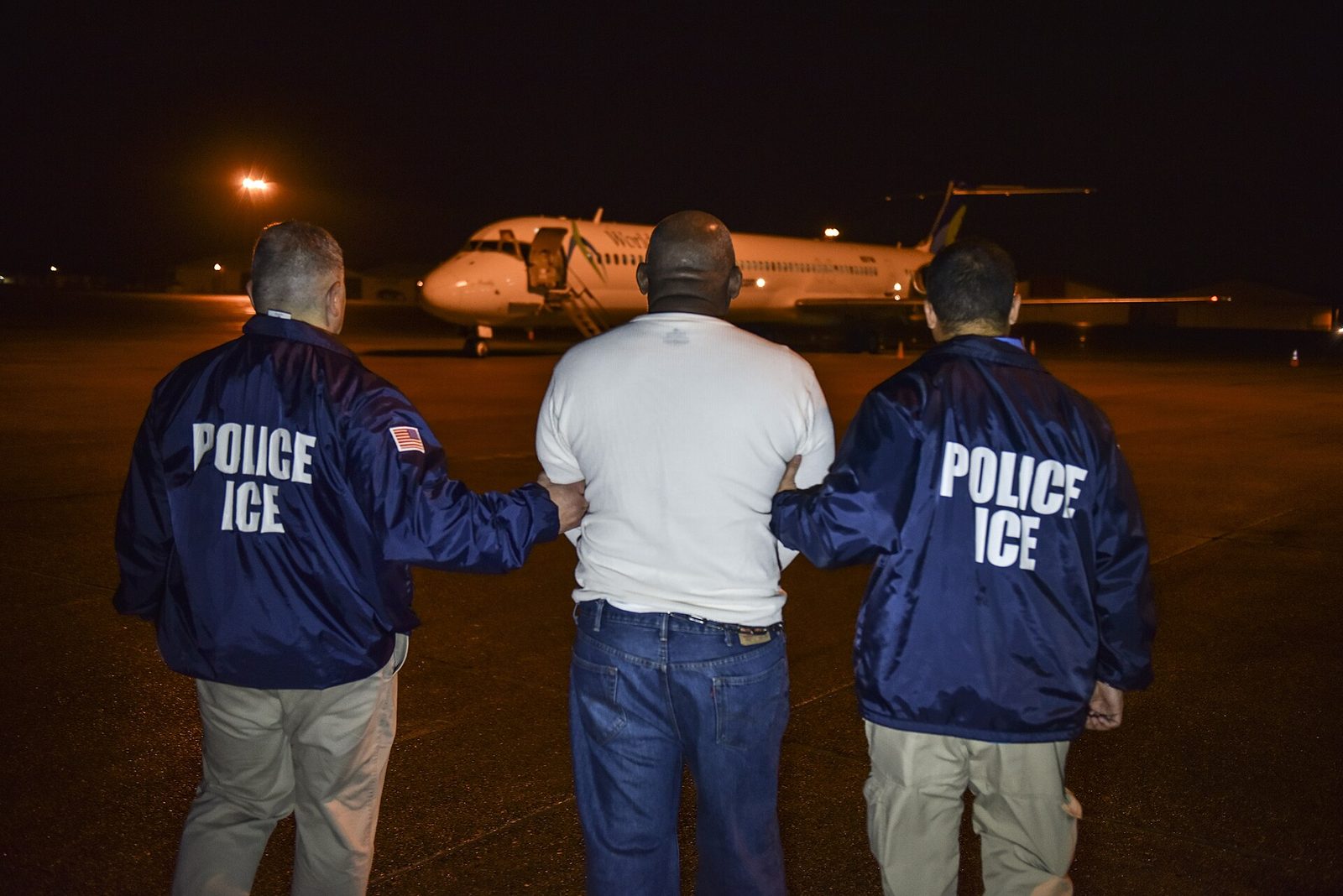
Washington — The United States has sent more than 500 people to African countries they have no connection with, because it could not lawfully deport them to their own, according to a 125-page report by Human Rights Watch.
The report, published on 8 October, is based on interviews carried out between February and July with 24 people flown from the US to six countries: Cameroon, the Central African Republic, the Democratic Republic of Congo, Equatorial Guinea, Eswatini and South Sudan.
Who is being sent
These are not Africans being returned to their own countries. They are people of other nationalities, many of whom had been told by US courts that they could not be sent home because they would be in danger there.
One of them, identified as Tesfay T., is a 35-year-old Ethiopian. He told researchers he fled after being imprisoned and tortured. A US immigration judge barred his return to Ethiopia. He was deported to Cameroon instead. He says he refused to sign a form agreeing to go to Chad, and that an immigration agent signed it for him.
At least a dozen of the people sent to Africa identified as LGBT, the report says, and they were sent to states that criminalise same-sex relations. Some had been recognised as refugees in the US.
What happened on arrival
Interviewees described being shackled on flights lasting 18 hours or more and being told little or nothing about where they were going.
Some were detained when they landed. Some receiving countries then sent people on to their countries of origin, which Human Rights Watch says breaks the rule of international law against returning anyone to a place where they face persecution or torture. Others, it says, were left with no realistic choice except to go home. Some with serious medical conditions struggled to get medicine.
The stated purpose
The report takes its title from a remark it attributes to a US official, who told the Senate foreign relations committee that the purpose of such transfers was to scare people.
Human Rights Watch's interim US programme director, Michael Garcia Bochenek, said the policy is designed to cause suffering in order to deter migration, and that the African governments taking part are complicit. He called on them to end or suspend their agreements and not to detain anyone without a clear legal basis.
What happens next
The US Supreme Court is due to hear arguments in December on whether the policy violates constitutional guarantees of due process or the legal bar on sending people to places where they risk torture. It has allowed the deportations to continue in the meantime.
Human Rights Watch published the response it received from the International Organization for Migration as an appendix.
Source: Human Rights Watch, 8 October 2026.