High blood pressure drives a quarter of Africa's chronic disease deaths
Heart disease, stroke, kidney disease and diabetes killed 4.7 million Africans in 2023, a Lancet analysis finds. More than half the deaths trace to three preventable risks.
Lire cet article en français →
Addis Ababa — Non-communicable diseases killed an estimated 4.7 million people in Africa in 2023 and account for a growing share of the continent's ill health, according to an analysis in The Lancet Global Health highlighted by the Africa Centres for Disease Control and Prevention.
The study uses data from the Global Burden of Disease project for 2023. Non-communicable diseases are those that do not pass from person to person, such as heart disease, stroke, diabetes and cancer.
The scale
- 4.70 million deaths in 2023;
- 2.33 billion cases;
- 263 million years of healthy life lost. Researchers measure this in disability-adjusted life years, where one unit is one year of healthy life lost to illness or early death.
What is killing people
The five leading causes of death from these diseases were:
- ischaemic heart disease, 801,000 deaths;
- stroke, 700,000;
- chronic kidney disease, 293,000;
- hypertensive heart disease, 246,000;
- diabetes, 245,000.
Three risks behind half the deaths
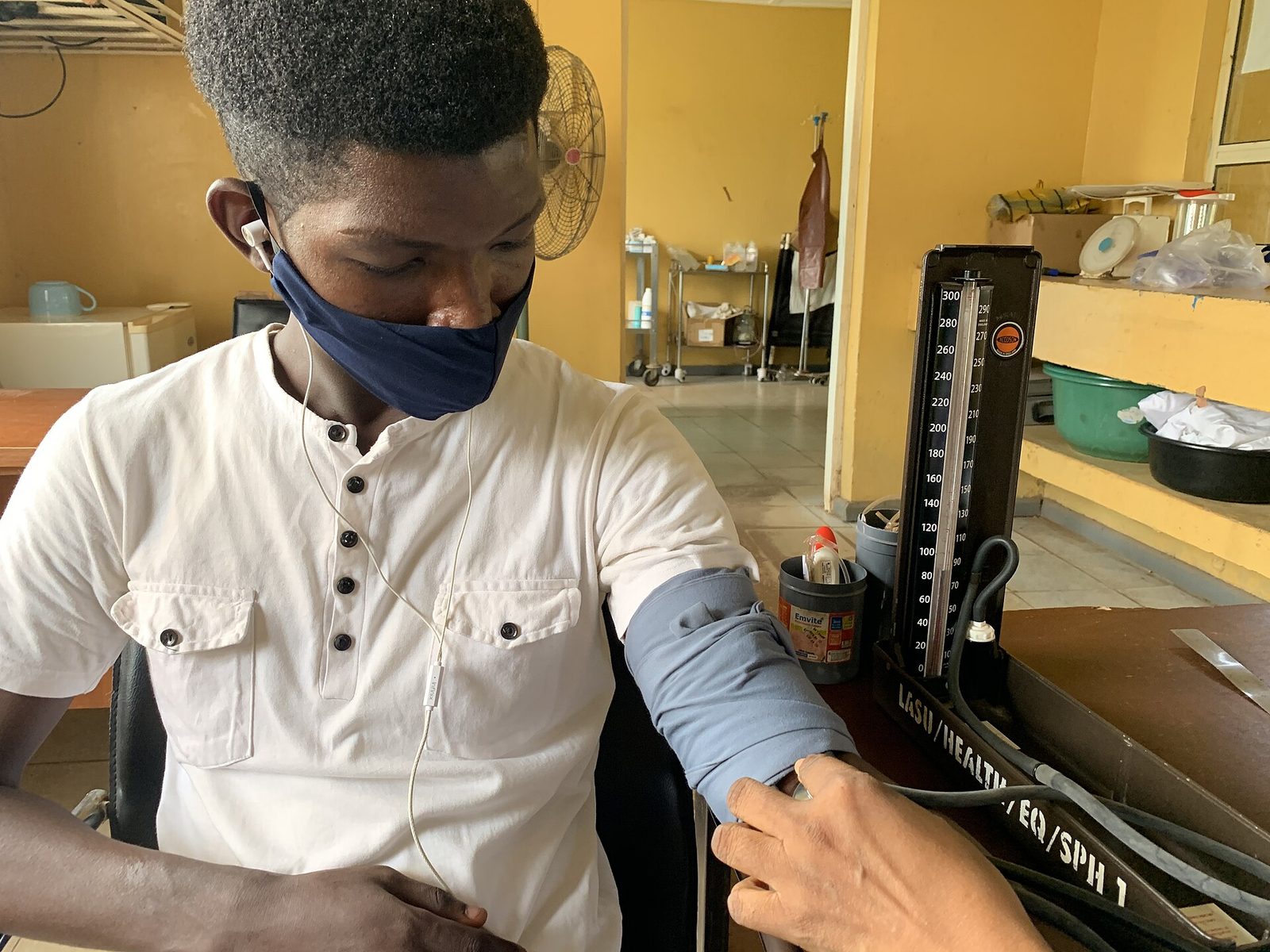
The finding with most practical weight is about causes that can be changed. Three risk factors together account for more than half of the deaths:
- high systolic blood pressure, 26.2%;
- poor diet, 14.7%;
- air pollution, 14.2%.
That, Africa CDC says, points to large opportunities for prevention: healthier diets, less exposure to polluted air, earlier detection and treatment, and health systems better able to respond.
What Africa CDC says it is doing
Dr Mohammed Abdulaziz, who heads the agency's division of disease control and prevention and is one of the study's authors, said the findings add urgency to a coordinated, continent-wide response to non-communicable diseases, injuries and mental health conditions.
The agency's strategic plan for 2023 to 2027 includes a pillar on integrated health systems for high-burden diseases. Its programmes include one to improve the surveillance of non-communicable diseases, a continental programme on sickle cell disease and other inherited blood disorders, and a leadership programme for mental health.
Source: Africa CDC, 5 October 2026.