South Africa's government sounds the alarm on AI fraud
Cloned voices, deepfake video and machine-written phishing are changing cybercrime, a senior communications official warns. His advice: verify before you pay.
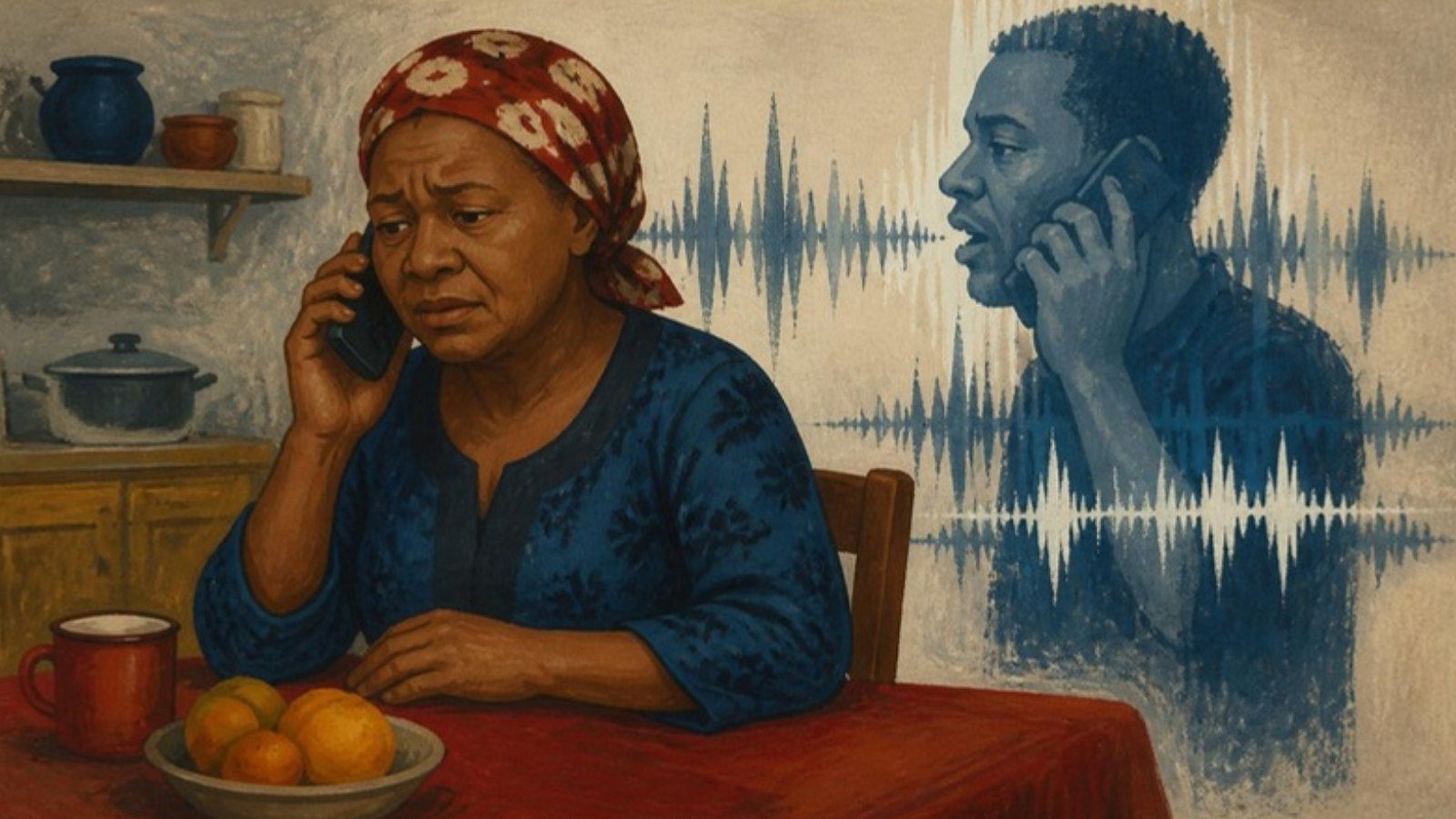
Pretoria — Artificial intelligence is changing the nature of cybercrime, and South Africans need to learn to check what they see and hear before acting on it, a senior government communications official has warned.
Writing on the government news service, Josias Pila, a director at the Government Communication and Information System, said the tools that make work and communication easier can also be used to deceive and defraud people on a scale not seen before.
The new tricks
He lists four:
- voice cloning;
- deepfake videos;
- phishing messages written by AI;
- fabricated identities.
The numbers he cites
- The South African Banking Risk Information Centre recorded a 22% rise in cyber breaches and attacks in South Africa in 2023, with marked increases in phishing, ransomware and unlawful access to information. The number of victims paying ransoms rose by 20%.
- Interpol's 2025 assessment of cyber threats in Africa found a sharp rise in attacks on local organisations, at high cost to businesses, government bodies and consumers.
The rule of thumb
Mr Pila's advice to the public is to pause before responding to an urgent request for money, sharing personal information or acting on a message that seems to come from someone they trust, and to ask whether it can be confirmed independently, through another channel.
Protection, he argues, cannot be left to cybersecurity specialists. Government has to strengthen laws, institutions and public awareness, and businesses have to build security and responsible use of AI into how they work. The aim, as he puts it, is a society that is literate in AI: able to use it with confidence and to recognise when it is being used against them.
What the government says it is doing
He says the state is expanding digital skills and cybersecurity awareness, developing a national approach to the adoption and governance of AI, and using fact-checking and public education to counter disinformation and manipulated content.
Internationally, President Cyril Ramaphosa told the BRICS summit in New Delhi that human oversight must keep pace with AI. South Africa has since proposed that BRICS set up a mechanism for independent scientific evaluation of AI, with meaningful human control, reporting of serious incidents and stronger safeguards as systems grow more capable.
The article is a statement of the government's position, not an announcement of new law or funding.
Source: SAnews, 12 October 2026.