South Africa's newest national park is made of farms whose owners kept their land
Grasslands National Park, declared over 10,226 hectares of the Eastern Cape Drakensberg, protects a vital water source through agreements with farmers rather than fences.
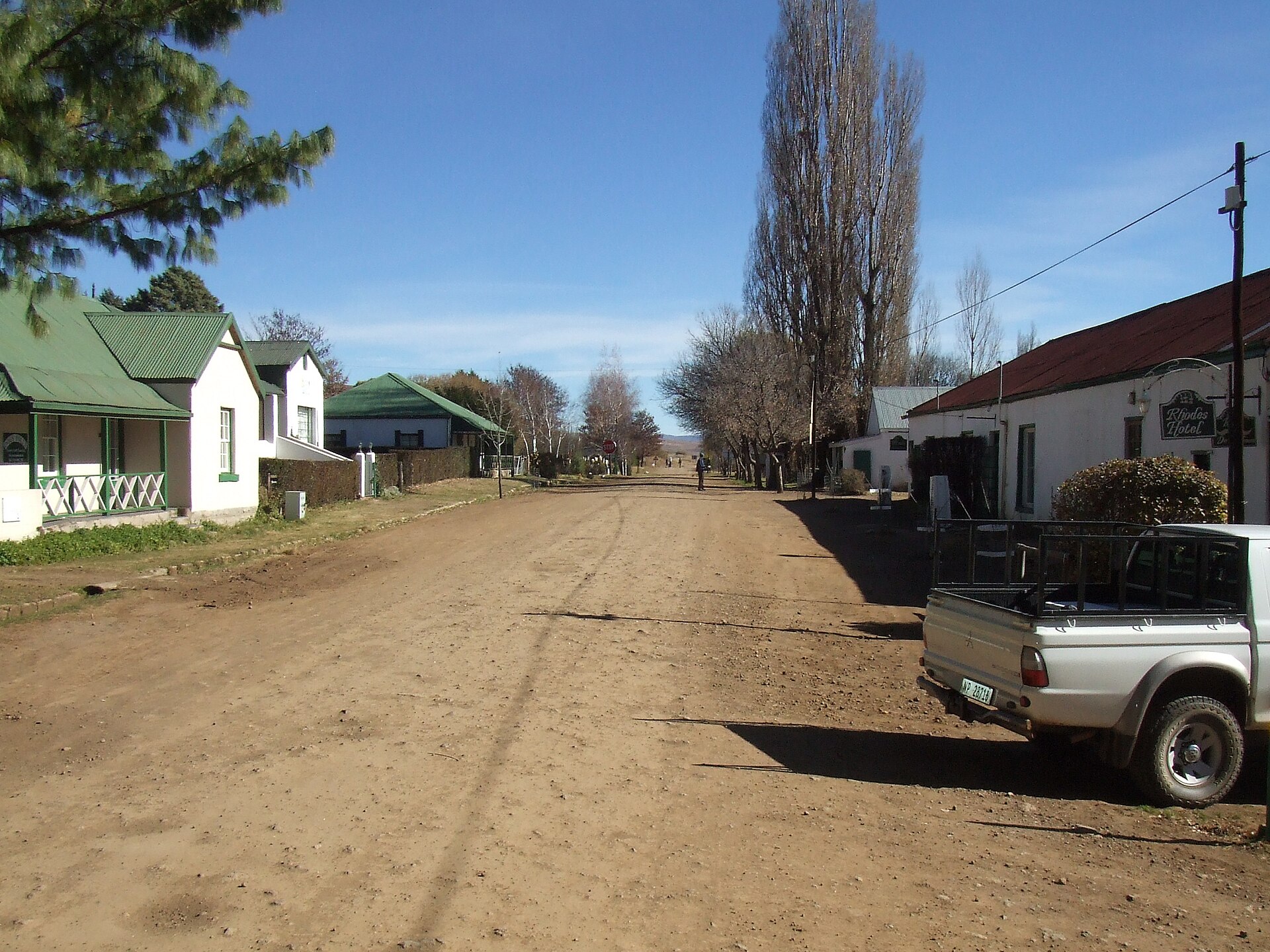
Rhodes — South Africa has a new kind of national park. Grasslands National Park, in the Eastern Cape Drakensberg between Nqanqarhu and Rhodes, was declared by environment minister David Maynier this month, and most of its land still belongs to the farmers who live on it, the Mail & Guardian reports.
How it works
The park covers 18 properties and 10,226 hectares in its first phase, managed by SANParks. Instead of buying land, the project uses biodiversity stewardship: owners keep their farms and agree to manage them for conservation, while farming that is compatible with conservation, such as sustainable grazing, continues. The project began as a plan to buy land, but owners, mostly fifth- or sixth-generation farmers, refused to sell; many told the team they were buyers of land, not sellers. So the team built what it calls a "contractual park". Maynier described it as the first national park created mainly through stewardship.
Why it matters
- Only about 4.6% of South Africa's grassland biome is protected.
- The park protects part of the Eastern Cape Drakensberg Strategic Water Source Area, the least protected of the country's 22, which feeds both the Orange River and the Mzimvubu.
- About 22,000 hectares are in the pipeline, around 11 Black private landowners have shown interest, and WWF South Africa is talking to three traditional authorities about communal land. The original target was 30,000 hectares.
Thembanani Nsibande of WWF South Africa, who has worked on the project for more than seven years, said the declaration was a dream come true. Landowner Delwyn Roberts uses veld assessments to decide how many animals his land can carry and hopes for premiums on wool or meat, or carbon credits, in future.
Source: Mail & Guardian, reporting by Sheree Bega, 16 October 2026.