The father and son moving Cape Town's wild bees to safety
Since 2018 the Cape Honeybee Conservancy has relocated more than 250 colonies from homes and walls to farms, where they pollinate crops and native plants.
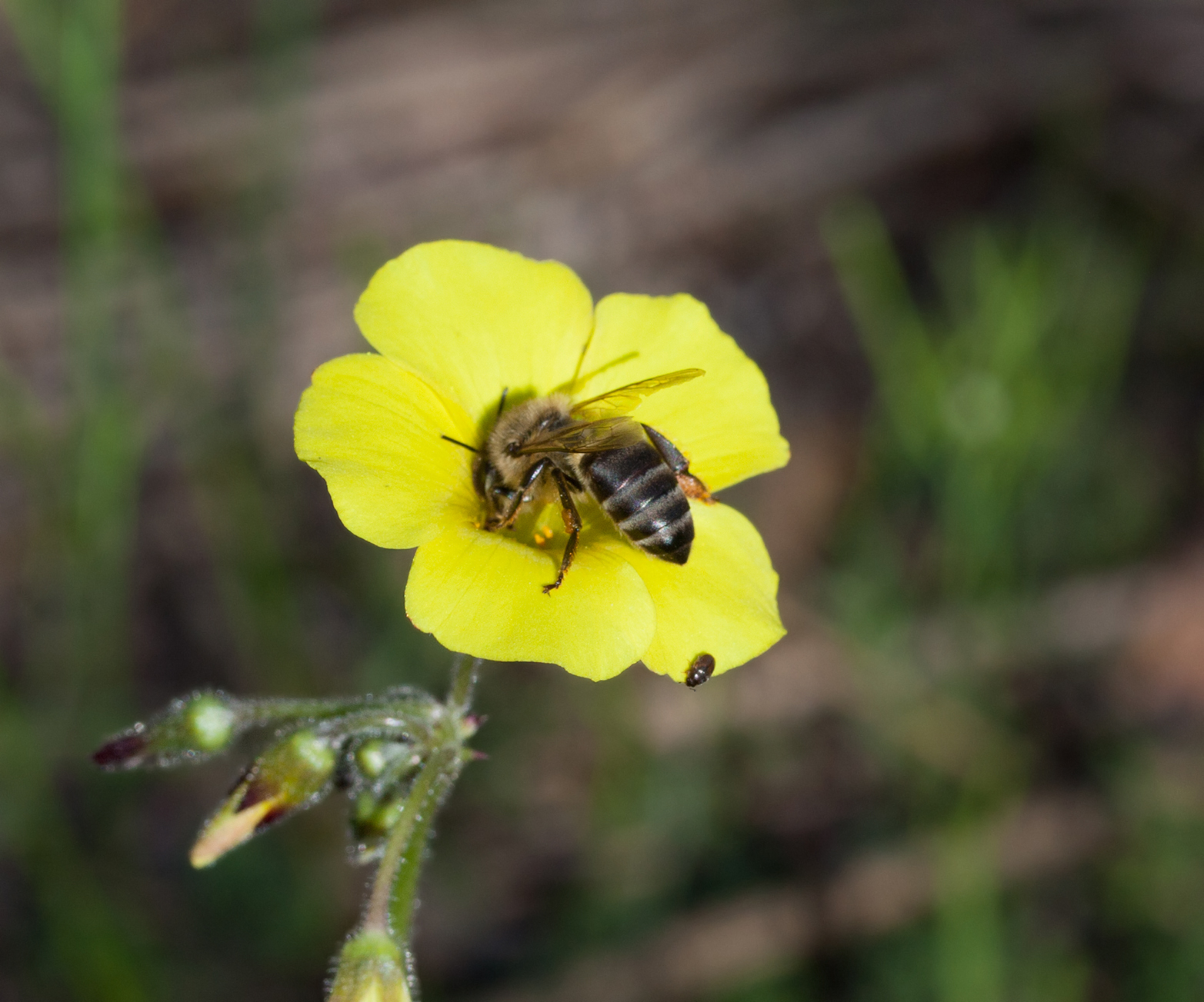
Cape Town — When wild bees settle in a ceiling, a wall or a garden feature in Cape Town, Lourens and Dylan Kruger come to move them, Africanews reports.
The father and son set up the Cape Honeybee Conservancy in 2018. Since then they have rescued more than 250 wild colonies, including about 40,000 bees recently taken out of a cement garden feature.
How it works
- Each colony is moved into a beehive and taken to a farm outside the city.
- The conservancy has set up six bee sanctuaries on farms.
- At Radford Dale, an organic wine farm in Elgin, about an hour and a half from the city, nine hives hold rescued bees, and the honey they produce is sold.
Why it matters
The Cape honeybee is native to the region and not threatened, but it is under growing pressure in the city. The bees pollinate farm crops and indigenous plants and support the Western Cape's rich biodiversity.
Mr Kruger said residents are often afraid of being stung, especially where there are small children or pets. Mike Allsopp, a local bee specialist, said there may be millions of wild colonies around Cape Town, and that most live peacefully and unnoticed; only occasionally does a large colony in a roof or under floorboards become a problem.
Jeanne Joubert of Radford Dale said the farm's organic methods create an environment where many insects thrive.
Source: Africanews with AP, 16 October 2026.