Better forecasts and practical help could stop drought widening the gap among herders
A computer model of seven southern African countries shows climate change favouring wealthier livestock owners, and how to prevent that.
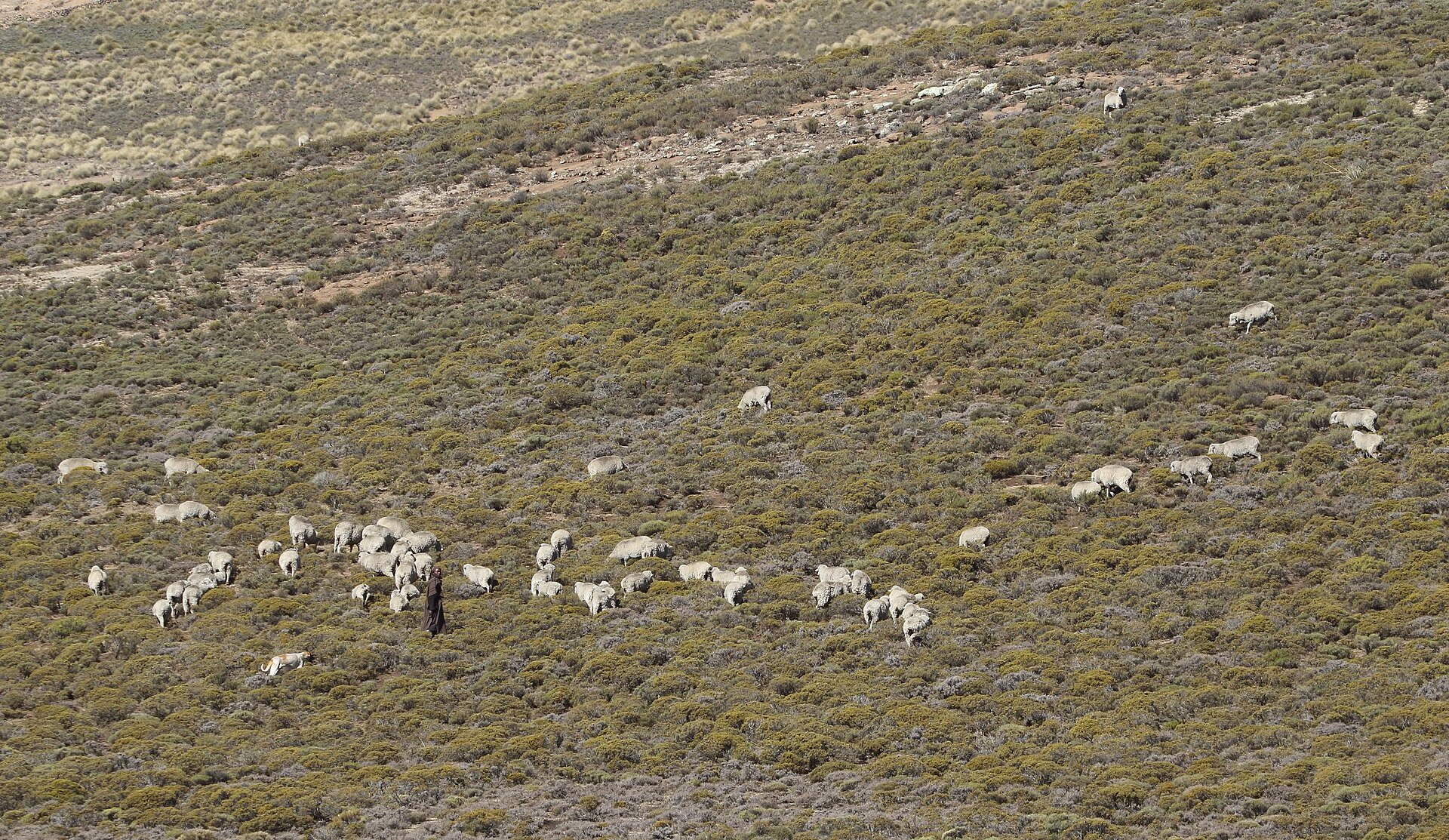
Gaborone — Livestock rearing takes place on 43% of Africa's land, and in many places it is the only way to make a living. Herds work something like a bank account, except that selling an animal in a drought means selling a thin one, when everyone else is selling too.
Researchers, including Matt Clark of the University of Sydney, built a computer simulation of herders' decisions in Botswana, Eswatini, Lesotho, Mozambique, Namibia, South Africa and Zimbabwe, under three emissions scenarios.
What the model shows
Harsher droughts are likely to reduce the number of animals the land can support, and with it people's total wealth. The losses are not shared equally. Wealthier owners can buy extra feed and, with every drought, end up owning a greater share of the animals.
Each tool has a catch
- Feed handouts may push up animal numbers and put more pressure on native vegetation and wildlife.
- Better seasonal forecasts, used alone, are likely to help wealthier herders most, since they can afford to sell early and buy before good years.
Together, they work
The authors found that pairing better forecasts with help to act on them, and feed for those who cannot, largely removes the effect that widens inequality.
They single out mobile slaughtering trucks that make it easy to reduce herds before a drought. A company called Meat Naturally already runs them in South Africa with Conservation International.
Modelling, they say, can show where and how to act before traditional coping strategies are overwhelmed.
Source: The Conversation, 26 October 2026.