The fish that feed the world's fish farms are being taken from African plates, investigation finds
From South Africa's anchovy boats to fishmeal factories in Senegal, Gambia and Mauritania, an Outlaw Ocean Project report traces what farmed seafood costs the coasts that supply it.
Cape Town — Fish farming now supplies more than half the seafood the world eats, and much of it runs on fishmeal made from small wild fish. A new investigation by the Outlaw Ocean Project, published by Daily Maverick, traces what that costs the African coasts where the fish are caught.
South Africa
South Africa exported $85 million worth of fishmeal in 2025, mainly to Denmark, Spain, Greece, China and Germany. Nearly a tenth of it went to Chinese farms. Its anchovy boats fish only for fishmeal.
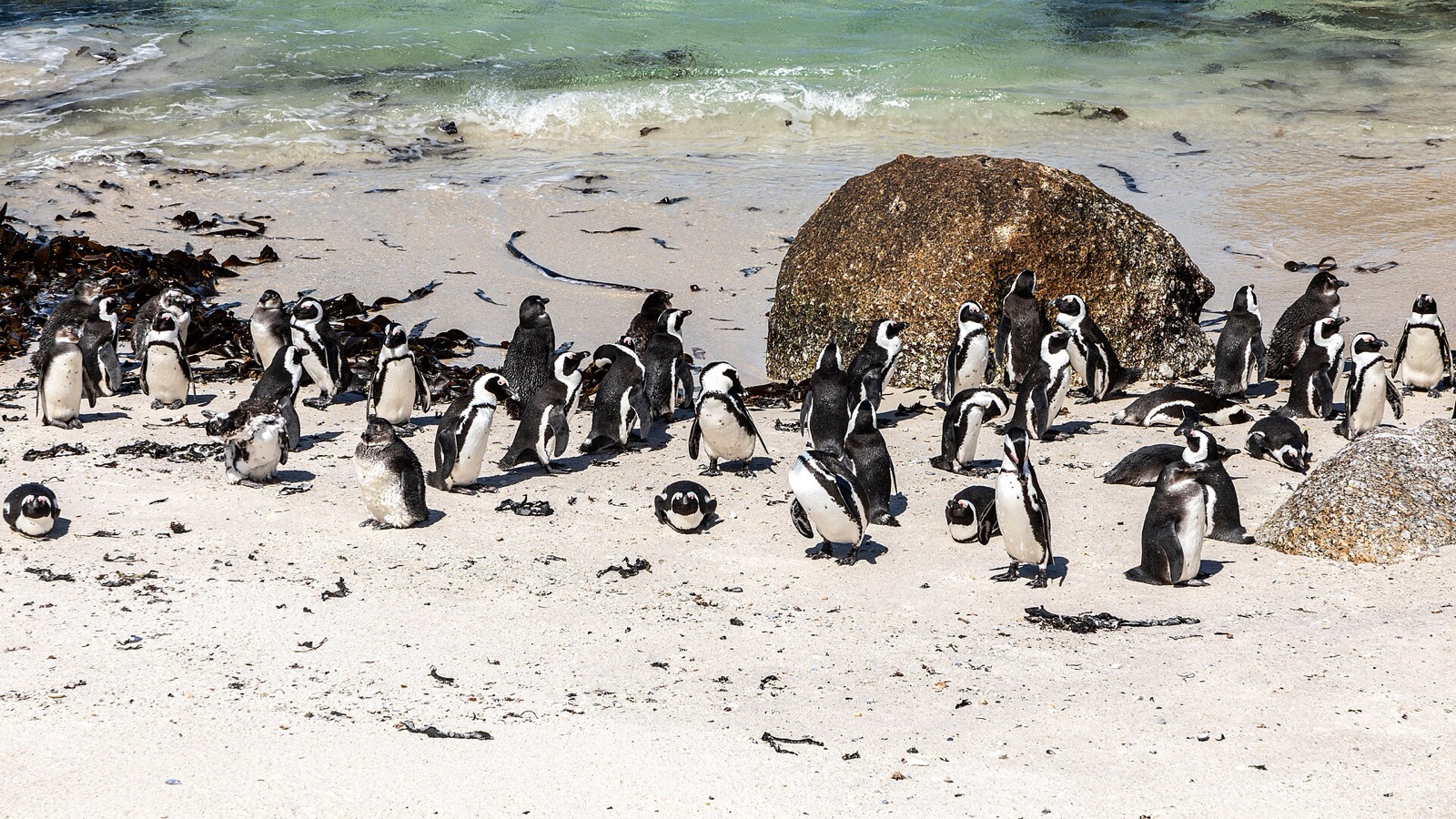
The same anchovies feed African penguins. One colony near Cape Town brings in about $16 million a year from tourism. In January 2024 the government announced a ten-year ban on commercial fishing around penguin colonies.
The trade runs both ways. South Africa imported more than $30 million worth of seafood from China in 2025.
West Africa
In Senegal, Gambia and Mauritania, the investigation found fish that used to be cheap local protein being diverted to fishmeal factories for export, because the plants pay more.
In Senegal, it says, fishmeal production has put fishers out of work, and some are selling or repurposing their boats for the 1,500km crossing to Spain's Canary Islands. That route claimed more than 3,000 lives in 2025.
"We're fishermen, but there's no fish left here, so we left," said Cheikhou Omar, 21, after his boat capsized on the way to Spain in September 2024. Thirty people died.
Residents of Kayar protested against a fishmeal factory there in 2022, saying its smell and waste were making people ill. Senegalese fish processors demonstrated outside the fisheries ministry in 2019 to demand a halt to fishmeal production in West Africa.
In Mauritania, the report describes dead fish strewn along roadsides in Nouadhibou in November 2024, and pollution of water and air.
The wider picture
More than a fifth of all fish caught worldwide ends up as fishmeal or other feed, the investigation says. China imports more than 40% of the world's fishmeal.
This report is based on an investigation by Ian Urbina of the Outlaw Ocean Project, published in two parts by Daily Maverick.