AfCFTA explained: what Africa's single market means for traders, jobs and prices
Signed in Kigali in 2018 and trading since 2021, the free trade area covers 1.3 billion people. Here is what it does, what it has done, and what is still to come.
Lire cet article en français →
Accra — The African Continental Free Trade Area, or AfCFTA, aims to turn Africa's many national markets into one. By number of member states it is the largest free trade area in the world after the World Trade Organization, and the largest by population and size, covering 1.3 billion people.
How it started
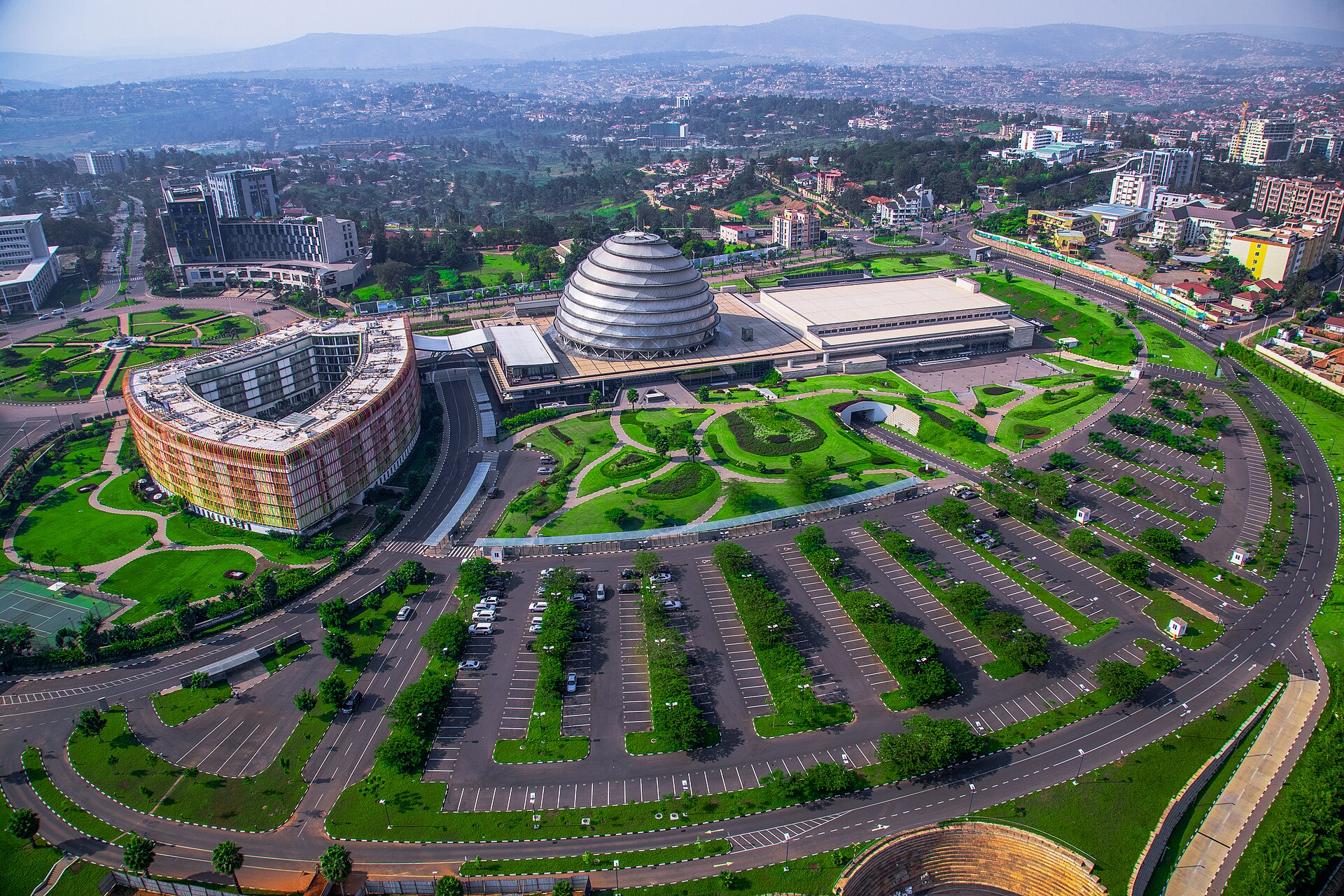
The agreement was negotiated from 2016 and signed by 44 African Union members in Kigali, Rwanda, on 21 March 2018. It came into force in May 2019 once 22 countries had ratified it, and trading officially began on 1 January 2021. A permanent secretariat in Accra, Ghana, oversees it.
What it does
- Cuts tariffs: members commit to remove tariffs on most goods and services over 5, 10 or 13 years, depending on how developed a country is and how sensitive a product is. The target is to free 90% of tariff lines.
- Rules of origin: to trade duty-free, goods must be genuinely made in Africa, so products simply relabelled from elsewhere do not qualify.
- Payments: in January 2022 the Pan-African Payment and Settlement System (PAPSS) was launched so that businesses can pay each other across borders in their own local currencies, without going through dollars or euros.
What is the prize?
A 2020 World Bank report estimated that the AfCFTA could lift 30 million Africans out of extreme poverty, raise the incomes of nearly 70 million people and generate $450 billion in income by 2035.
What it means for you
If you are a trader, a small manufacturer or an exporter, the AfCFTA should over time make it cheaper to sell to neighbouring countries, with fewer customs duties and simpler payments. For shoppers, more African-made goods on shelves.
What is still to come
The longer-term goals are a single liberalised market, freer movement of capital and workers, better regional roads, rail and ports, and eventually a continental customs union. Many of those steps depend on each country putting the rules into practice at its borders.
Background: Wikipedia.