Africa is getting ready for disasters faster than anywhere else
A worldwide survey finds every African region has improved its resilience score since 2023, more than any other part of the world. Warnings that reach people in time are the next task.
Lire cet article en français →
London — Africa's regions have improved their ability to withstand disasters faster than any others in the world since 2023, according to a new study by the Lloyd's Register Foundation reported by Africanews.
The finding does not mean Africa is now the most resilient continent. It means that, over the period measured, its regions moved furthest.
The gains
The study scores resilience from zero to 100. Since 2023:
- North Africa rose by five points.
- Southern Africa rose by four points.
- Eastern Africa rose by three points.
- Central and Western Africa rose by three points.
The improvement is linked to wider internet access, households that are better prepared and stronger family finances. Algeria, Nigeria, Kenya, Egypt and Uganda are named among the countries behind the regional gains, though for different reasons in each.
How it was measured
The figures come from the fourth World Risk Poll, carried out by Gallup, which interviewed more than 143,000 people in 140 countries and territories during 2025. Its index looks at four things: the individual, the household, the community and the wider society.
What neighbours can do
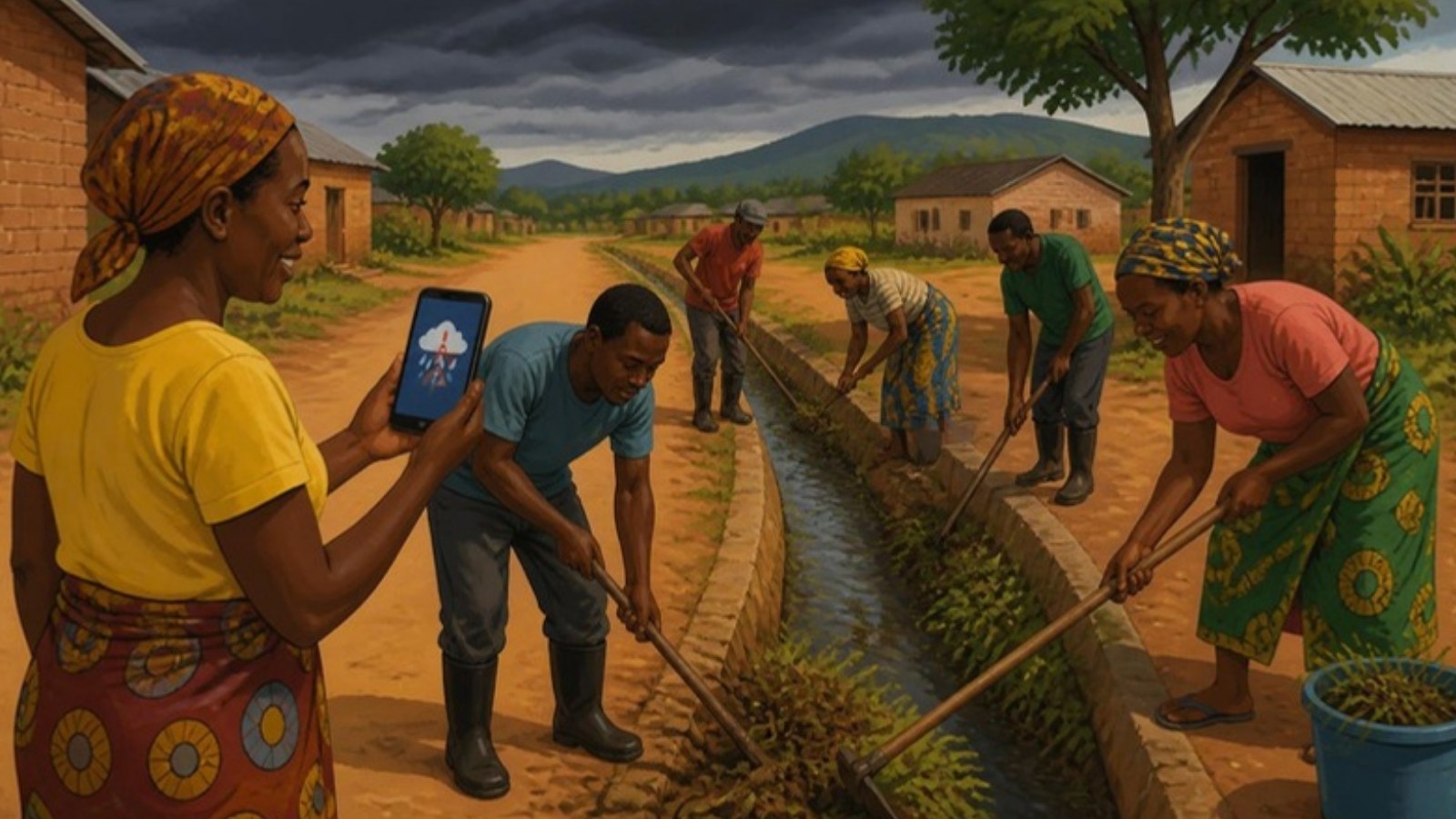
The report gives an example from Malawi. In January, volunteers there got communities out to clear storm drains before extreme rain arrived, according to the International Federation of Red Cross and Red Crescent Societies.
The next task: warnings
In Central and Western Africa, fewer than half of the adults affected by a disaster, 47%, said they had been warned beforehand.
Worldwide, nearly 220 million adults who lived through a disaster in the past five years had no warning, and 77% of them owned a mobile phone. People warned through several channels, such as text message, television and social media, were far more likely to act: 64% did so when three channels reached them, against 37% with one.
A warning only helps if people know what to do with it, said Nancy Hey of the foundation's Global Safety Evidence Centre. The foundation is urging governments and disaster agencies to widen warning coverage and to invest more in preparing households.
The study also challenges a common assumption: richer countries are not automatically more resilient.
Source: Africanews, reporting by Kwabena Adu-Gyamfi, 13 October 2026.