Nigeria, Ghana, Zambia and Burundi win seats on UN rights council
Four African countries are among 15 elected by the General Assembly to serve on the Human Rights Council from 2027 to 2029.
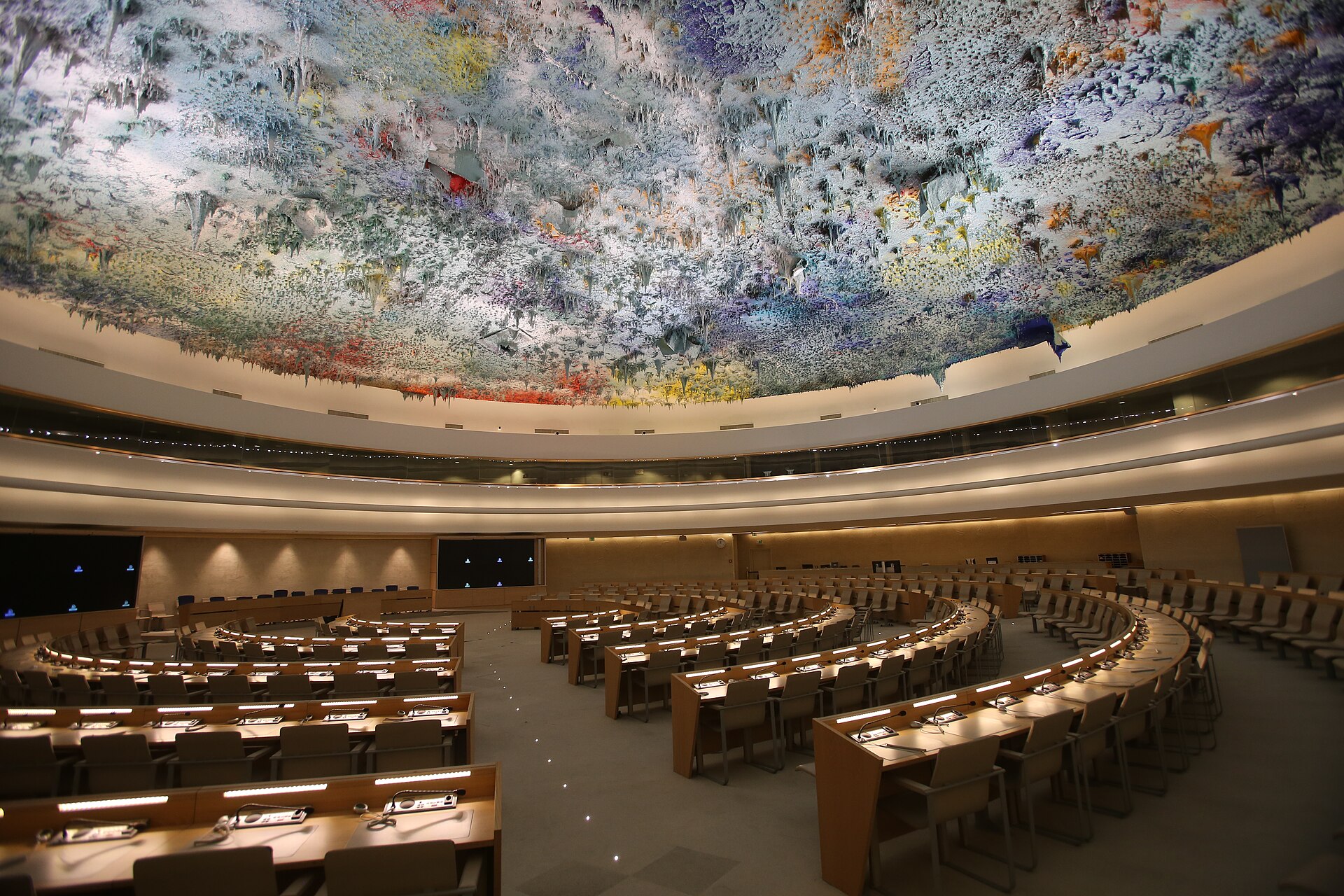
Geneva — Nigeria has been elected to the United Nations Human Rights Council for a three-year term, one of four African countries to win seats in this year's vote.
The council announced the result on its official X account. Fifteen countries were elected by the UN General Assembly to serve from 1 January 2027 to 31 December 2029, Premium Times reports.
Who was elected
The four African members elected are:
- Nigeria
- Ghana
- Zambia
- Burundi
The others are Brazil, the Dominican Republic, Germany, Ireland, Japan, Jordan, Kuwait, Nepal, Moldova, Ukraine and Uruguay.
What the council does
The Human Rights Council was set up by the General Assembly in 2006 and sits at the UN's office in Geneva. It has 47 member states.
- It debates human rights concerns with governments, civil society groups, UN officials and independent experts.
- It can pass resolutions on particular violations and call special sessions on urgent situations. It has held 36 of those, according to its website.
- It can appoint independent experts and set up commissions of inquiry and fact-finding missions, including into possible war crimes and crimes against humanity.
- Through a process called the Universal Periodic Review, it examines the rights record of every UN member state, with countries assessing one another.
Its resolutions carry political weight, but the council has no power to enforce them.
Source: Premium Times, 13 October 2026.